Lake Havasu City

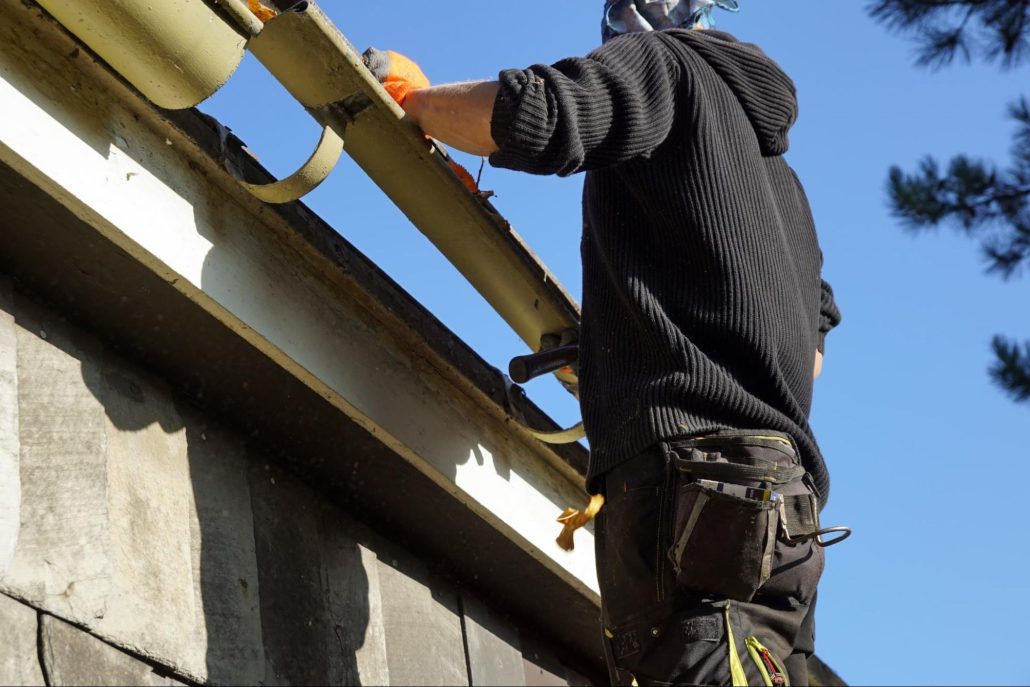
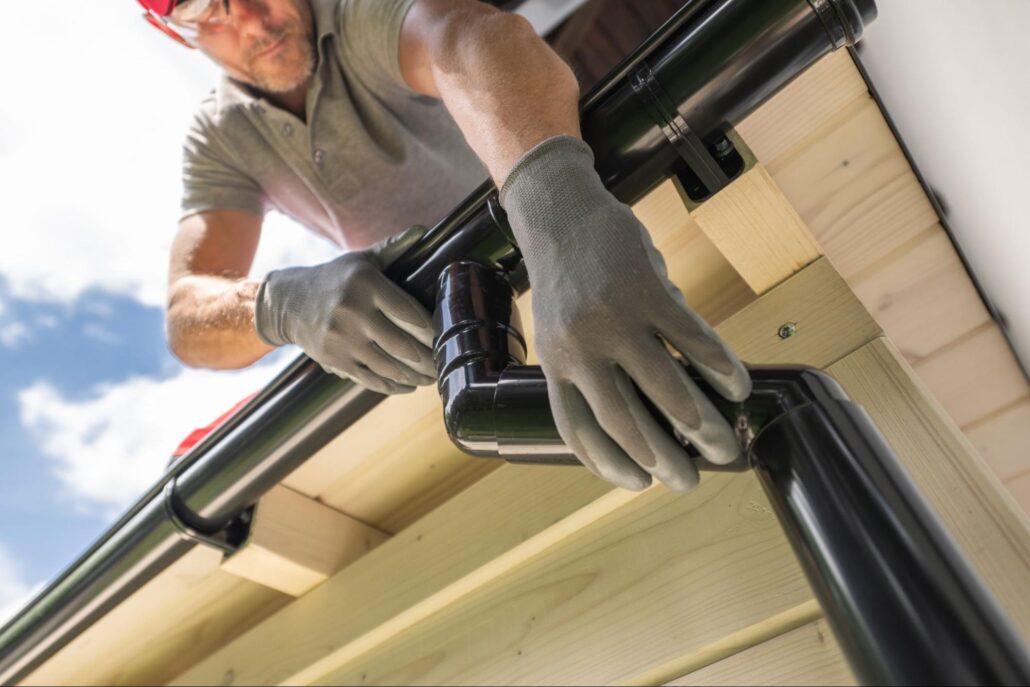
Worker on the rooftop securing rain gutters to the fascia board on home exterior
Lake Havasu City

Signs You Should Install Rain Gutters

Rainwater often causes damage long before it becomes visible to property owners. You might notice subtle changes, such as soil movement or wall stains, after repeated storms. These early signs usually point to poor drainage around your home’s structure. Left unchecked, water flow can weaken surfaces, affect stability, and increase repair costs over time. Knowing when to install rain gutters helps you control water movement and protect your property investment. Signs to Install Rain Gutters Clear warning signs often appear when rainwater lacks proper direction around your home. These signs usually develop gradually, which makes them easy to overlook at first. Each signal reflects the extent to which uncontrolled runoff affects structural and surface materials. Recognizing these patterns allows you to respond before damage spreads further. Water Pooling Near Foundation Water pooling near your foundation signals that runoff lacks direction and control. This issue exerts pressure on concrete surfaces, increasing the likelihood of cracks forming. Over time, saturated soil expands and shifts, which affects the stability of your home. You may also notice uneven ground or small separations along the base. This pattern often worsens during heavy rainfall or repeated storms. Installing rain gutters helps redirect water safely away from these vulnerable areas. Soil Erosion Around Home Base Soil erosion around your home base shows how strong runoff can displace ground material. This erosion exposes parts of the foundation and weakens surrounding support over time. You might see roots becoming visible or grass thinning in affected areas. This condition often develops more quickly in regions with frequent rainfall. Without gutters, water flows freely, eroding protective soil layers. Installing a drainage system helps maintain ground stability and reduces long-term damage. Standing Water After Rainfall Standing water after rainfall indicates that water cannot drain properly from your property. This condition increases moisture levels and creates a damp environment around your home. Over time, water may seep into lower structures, such as basements or crawl spaces. You might also notice insects gathering in these wet areas. This recurring issue suggests poor water management around your roofline. Installing rain gutters helps eliminate these puddles by directing water away from them. Property Damage Signs You Should Install Gutters Property damage signs often appear when rainwater flows unchecked around your home. These signs develop when water repeatedly contacts unprotected surfaces. Over time, this exposure weakens structural elements, interior spaces, and outdoor areas. Recognizing these patterns helps you decide when to install gutters and prevent further damage. Exterior Damage from Rain Exposure Exterior damage from rain exposure occurs when water repeatedly hits unprotected surfaces. This damage affects siding, paint, and structural materials over time. Each rainfall event adds stress to areas without proper drainage systems. Understanding these visible changes helps you identify when to install rain gutters. Stains and Streaks on Siding Stains and streaks on siding appear when rainwater carries dirt and minerals down the walls. These marks build up over time and affect your home’s appearance. You may notice uneven discoloration following the roofline pattern. This buildup often becomes more visible after heavy rain. This condition shows how water flows directly from the roof onto surfaces. Installing gutters helps prevent these streaks by directing runoff. Peeling Paint on Exterior Walls Peeling paint on exterior walls develops when moisture weakens surface coatings. This damage exposes the underlying material to further weathering. Over time, repeated wetting causes paint to crack and detach. You might also notice bubbling or fading in certain areas. This deterioration often signals prolonged exposure to uncontrolled water flow. Installing rain gutters helps reduce moisture contact with exterior finishes and preserve them. Rotting Wood on Trims and Fascia Rotting wood on trims and fascia occurs when moisture remains on surfaces for extended periods. This decay weakens structural components and spreads across connected sections. You may notice soft spots, discoloration, or a musty odor near affected areas. This condition often worsens in damp climates or after frequent storms. This damage pattern shows how water consistently reaches exposed wood. Installing gutters helps protect these elements from direct runoff. Indoor Moisture and Mold Signs Indoor moisture and mold signs indicate that water has already entered your home. This issue often begins with poor exterior drainage and develops over time. Moisture buildup affects air quality and structural integrity in enclosed spaces. Identifying these symptoms helps you address the root cause quickly. Damp Basement Walls and Floors Damp basement walls and floors result from water seeping through foundation gaps. This moisture creates a cool and humid environment in the lower levels. Over time, it weakens surfaces and promotes further damage. You may notice dark patches or a constant damp feeling in the space. This condition often appears after heavy rainfall or prolonged wet periods. Installing rain gutters helps reduce water buildup around the foundation. Musty Odors in Lower Spaces Musty odors in lower spaces develop when moisture remains trapped indoors. This smell often signals hidden mold or bacterial growth in damp areas. You might notice it becoming stronger after rain or humidity changes. This issue affects comfort and can raise health concerns over time. This odor pattern reflects ongoing moisture intrusion from outside sources. Installing gutters helps control external water flow and reduce indoor dampness. Visible Mold or Mildew Growth Visible mold or mildew growth appears when moisture levels stay consistently high. These patches often form on walls, ceilings, or stored items. Mold spreads quickly if conditions remain unchanged. You may notice discoloration ranging from dark spots to fuzzy textures. This growth can affect both health and property value. Installing rain gutters helps limit moisture conditions that allow mold to thrive. Landscape Damage from Runoff Landscape damage from runoff occurs when rainwater flows unchecked across your yard. This movement disrupts soil, plants, and overall design. Over time, repeated exposure changes the shape and stability of outdoor areas. Watching for these changes helps you determine when gutters are needed. Washed-Out Mulch and Plants Washed-out mulch and plants show how runoff removes lightweight materials from garden beds. This issue leaves
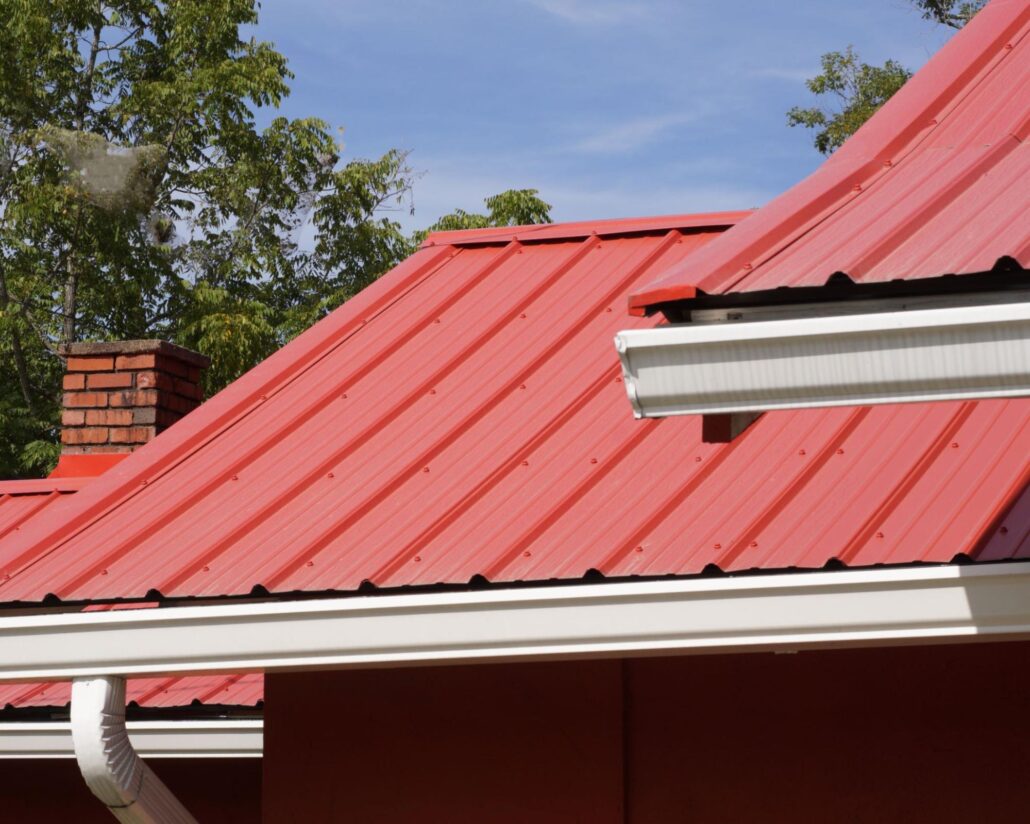
Close-up of a red metal roof featuring a seamless gutter system for efficient rainwater drainage
Gutter Installation, Lake Havasu City

Is a Seamless Gutter Right for You?

Rainwater problems often start small but quickly lead to costly repairs around your home. Many property owners deal with leaks, clogs, and the need for frequent gutter maintenance. These issues prompt homeowners to consider more durable, efficient drainage solutions. Modern gutter designs offer a cleaner approach with fewer weak points and better performance. The right choice depends on your home’s structure, climate, and long-term maintenance goals. What is a Seamless Gutter System? A seamless gutter system uses a single, continuous piece of material to effectively manage rainwater. This design reduces joints that often cause leaks and structural wear over time. Property owners choose this system for improved durability and consistent water flow. Understanding how this system works helps you decide if it fits your property needs. How Seamless Gutters Are Made Installers fabricate these gutters on-site using machines that shape metal into long sections. They carefully measure your roofline to ensure a precise fit for your home. This approach creates a continuous structure that minimizes the number of connection points across the system. Aluminum remains a popular choice because it resists rust and stays lightweight. Copper and steel options also appeal to homeowners seeking durability or a distinct finish. This fabrication method improves performance by limiting areas where leaks typically develop. Seamless vs. Sectional Gutters Traditional sectional systems rely on multiple connected pieces along the roofline. These connections often weaken under changing weather conditions and daily wear. Small gaps can form over time, allowing water to escape and cause damage. A continuous design reduces these risks by limiting weak points. This structure improves strength and supports better water flow during heavy rainfall. Many homeowners upgrade after facing repeated repairs with older systems. Gutter Sizing and Capacity Matters A seamless gutter system must match your roof size and rainfall intensity to perform effectively. Many homes use standard sizes that cannot handle heavy downpours, which leads to overflow issues. Larger systems, such as six-inch gutters, carry more water and reduce strain during storms. This sizing choice helps protect your siding, foundation, and landscaping from avoidable water damage. Roof pitch also affects how quickly water enters the gutter system during rainfall. Installers evaluate these factors to recommend the right size for your property. This careful sizing approach improves performance and reduces the risk of overflow during intense weather. Benefits of Seamless Gutter Systems Seamless gutter systems improve water management by reducing leaks and maintenance needs. Property owners benefit from consistent drainage that protects foundations and exterior surfaces. This system also enhances curb appeal through a clean, streamlined appearance. These combined advantages make seamless gutters a practical long-term investment. Fewer Leaks and Better Drainage A continuous structure reduces leaks by eliminating frequent joints where water can escape. Rainwater moves smoothly through the system without interruptions that slow down the flow. Proper drainage helps protect your foundation from pooling water and soil erosion. This protection reduces the likelihood of cracks and long-term structural concerns. During intense storms, a steady flow prevents overflow that can damage siding or landscaping. Many homeowners notice improved performance after switching to this type of system. Lower Maintenance Needs Debris collects less when the gutter path remains uninterrupted. Leaves and dirt move more freely, reducing the risk of clogs. This design lowers the frequency of gutter cleaning tasks throughout the year. Fewer weak points also mean fewer repairs caused by separation or leakage. Over time, this reliability helps reduce both maintenance effort and costs. Property owners appreciate the consistent performance and the lower upkeep required. Improved Home Appearance A smooth, continuous gutter line creates a more refined look along the roof edge. This appearance blends naturally with both modern and traditional home styles. Many providers offer color-matching options to complement siding and trim. This upgrade enhances curb appeal without requiring major exterior changes. Potential buyers often view updated drainage systems as a valuable feature. A well-installed system contributes to a cleaner and more polished exterior. Protecting Roof and Fascia Health A seamless gutter system helps protect the roof edge and fascia boards from ongoing moisture exposure. Water that spills over or backs up can damage these areas, leading to rot or mold growth. Proper drainage keeps water from moving toward critical structural components. This protection extends the lifespan of both your roofline and exterior framework. Fascia boards support the gutter system, so keeping them dry maintains structural stability. Consistent water flow also reduces the risk of hidden damage beneath roofing materials. This added layer of protection supports long-term property maintenance and value. Downsides of Seamless Gutters Seamless gutters offer clear advantages, but they also come with a few limitations. Property owners should consider these factors before making a decision. This balanced view helps avoid unexpected costs or installation challenges. Knowing both benefits and drawbacks leads to a more informed choice. Higher Installation Cost Custom fabrication and skilled labor increase the upfront cost of installation. Specialized equipment increases overall costs compared to traditional systems. This investment may seem high at first for many property owners. However, reduced maintenance and fewer repairs can offset costs over time. Many homeowners recognize the long-term value despite the higher starting price. Budget planning helps determine if this option aligns with financial goals. Requires Professional Installation Proper installation depends on trained gutter professionals with the right tools and experience. Standard DIY methods cannot achieve the precision required for this system. An incorrect setup can lead to poor drainage and premature wear. Hiring a qualified contractor helps prevent these issues and supports long-term performance. Many professionals also offer warranties that protect your investment. This added protection provides confidence in the system’s reliability. Repairs Can Be More Complex Damage can still occur from debris impact or severe weather conditions. Fixing a problem often involves replacing a larger section rather than a small piece. This repair approach may increase costs compared to sectional systems. However, issues tend to occur less frequently due to the durable design. Regular inspections help identify minor problems before they grow. Proper upkeep supports long-lasting

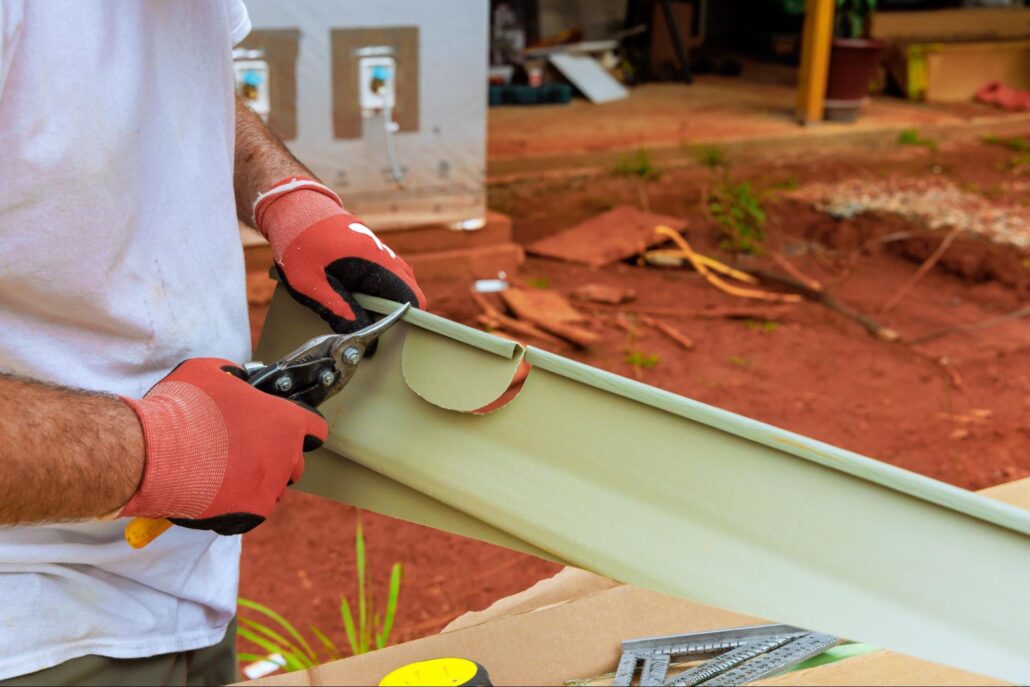
Worker cutting aluminum gutter with tin snips during on-site repair work
Gutter Repair, Lake Havasu City

Understanding the Most Common Gutter Repairs

Rainwater rarely draws attention until it starts damaging parts of your home. Many property owners notice stains or pooling water before checking their gutters. These warning signs often indicate issues that require timely fixes within the drainage system. Small problems can quickly escalate into structural issues that cost more to address. Understanding how gutter systems fail helps you protect your property with better decisions. Why Gutter Repairs Protect Property Gutter repairs keep water moving away from your home and prevent structural strain. A working system directs rainwater safely and avoids buildup near critical areas. When gutters fail, water spreads across surfaces that cannot handle constant moisture. This condition creates risks that grow over time and affect multiple parts of the structure. Foundation Damage From Poor Drainage Water that collects near the foundation increases pressure on concrete surfaces. Over time, this pressure leads to cracks that weaken the structure. Soil saturation also causes shifting that affects floors and walls inside. This movement often results in uneven surfaces and visible interior damage. Property owners should watch for puddles or damp areas after rainfall. Addressing these signs promptly reduces the risk of more serious structural issues. Roof Edge and Fascia Deterioration Overflow pushes water under shingles and along the roofline. This moisture weakens materials and shortens the roof’s lifespan. Fascia boards begin to rot when they remain damp for long periods. This damage reduces support for gutters and increases the risk of detachment. Property owners may notice peeling paint or dark streaks along edges. Fixing these issues helps maintain both durability and appearance. Common Gutter Repairs Homeowners Face Gutter repairs often involve fixing damage caused by debris, weather, and aging materials. Property owners deal with recurring issues that disrupt proper water flow. Each repair type addresses a specific weakness within the system. This understanding helps you respond quickly and limit further damage. Repairing Leaks and Small Holes Leaks often form at seams or areas exposed to constant moisture. Small holes may develop due to rust or impact over time. This damage causes water to drip onto the siding or near the foundation. Sealants and patches can fix minor leaks when applied correctly. Property owners should monitor these areas for recurring problems. Addressing leaks promptly reduces the need for more complex repairs later. Reattaching Loose Gutters Securely Gutters loosen when fasteners wear out, or debris adds excess weight. This separation disrupts water flow and creates sagging sections. Reattaching gutters requires replacing brackets and securing them firmly. Proper spacing helps distribute weight and prevents future detachment. Property owners should check alignment after heavy rain. Keeping gutters secure improves overall drainage performance. Fixing Sagging Gutter Sections Sagging occurs when supports fail or when debris adds extra weight. Water collects in low spots instead of flowing toward downspouts. This buildup increases strain and worsens the problem over time. Adjusting the slope and adding supports restores proper alignment. Property owners should remove debris to avoid repeated sagging. Maintaining the correct angle helps water move efficiently through the system. Clearing Clogged Gutters and Downspouts Leaves, twigs, and dirt collect in gutters, creating clogs. This buildup prevents water from flowing through the system properly. Overflow then damages nearby surfaces and landscaping areas. Downspouts also clog, preventing water from exiting efficiently. Regular gutter cleaning restores drainage and reduces stress on the system. Property owners should inspect gutters after storms or seasonal changes. Repairing Key Gutter Components Gutter repairs focus on restoring individual parts that affect overall performance. Each component plays a role in directing water away from the home. Damage to one section can disrupt the entire system. This approach helps property owners decide when to repair or replace parts. Downspout Repair and Replacement Downspouts carry water away from the structure and prevent pooling near the base. Damage or disconnection allows water to collect around the foundation. Common issues include dents, clogs, and loose joints. Minor problems can often be fixed by sealing or reconnecting sections. Replacement may offer better results when damage becomes extensive. Extending downspouts further from the home improves drainage control. Sealing Gutter Joints and Seams Seams weaken due to expansion and contraction caused by temperature changes. This separation allows water to leak through connection points. Resealing joints restores their strength and prevents further leakage. Durable sealants designed for outdoor use provide better protection. Property owners should inspect seams regularly for early signs of wear. Maintaining tight connections keeps the system watertight. Treating Rust and Corrosion Damage Rust develops when protective coatings wear away, exposing metal surfaces. This corrosion weakens materials and creates small openings. Left untreated, rust spreads and affects larger sections of the system. Cleaning and applying protective coatings slows further deterioration. Property owners should watch for discoloration or flaking metal. Severe corrosion may require replacing damaged sections. Hidden Signs of Gutter Failure Gutter repairs often begin after visible damage appears, but hidden signs usually develop first. These subtle indicators can reveal drainage problems before exterior issues become obvious. Many property owners overlook these clues because they seem unrelated to gutters. The following explains how small interior and exterior changes connect to underlying gutter failure. Interior Moisture and Humidity Clues Indoor humidity may rise when water seeps into walls from poor drainage. Excess moisture often enters through foundation areas exposed to pooling water. This condition creates damp air, especially in basements or lower levels. Property owners may notice musty odors that persist over time. Paint can bubble or peel due to trapped moisture within the walls. Insulation may also lose effectiveness as it absorbs moisture. Identifying these signs helps connect indoor issues to drainage problems. Exterior Surface and Siding Changes Siding may show visible wear when water repeatedly spills onto exterior walls. Prolonged exposure causes materials to warp or weaken. Discoloration and streaking often appear along affected sections. Paint may fade unevenly or lose adhesion due to moisture contact. Property owners might also notice soft areas in wood siding. These changes signal that water is not draining properly. Addressing them helps prevent deeper structural concerns.

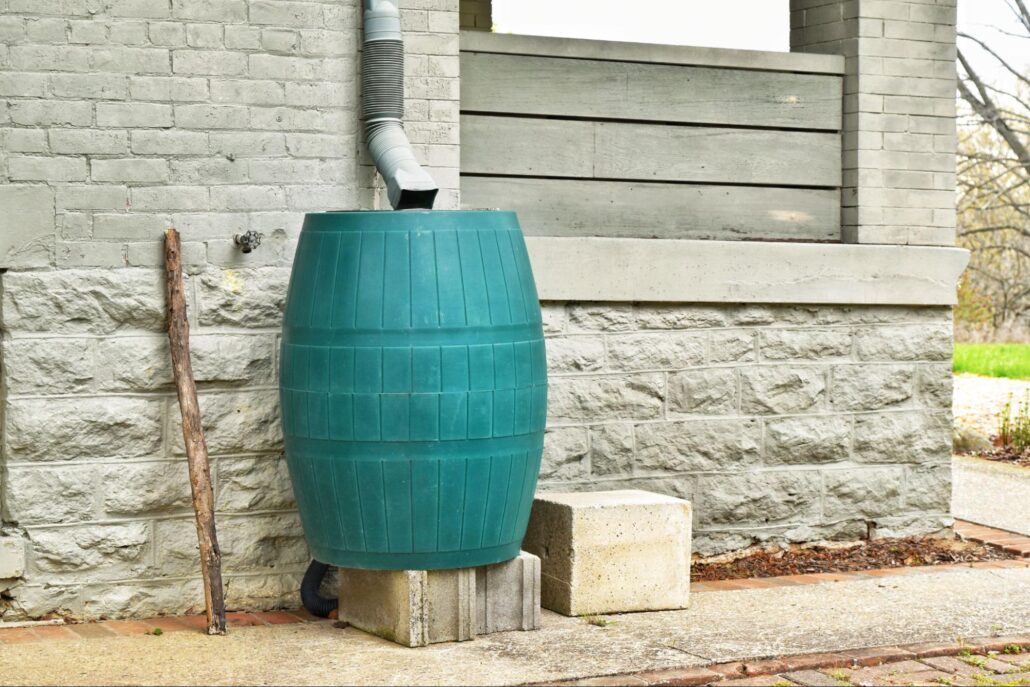
A green rain barrel collecting chlorine-free rainwater from roof runoff
Lake Havasu City

How Rain Collection Barrels Work

Water bills keep climbing, and outdoor use often drives the highest monthly costs. Many property owners want practical ways to cut expenses without changing daily routines. Rain collection barrels capture runoff that would otherwise flow away unused. These systems support garden care, cleaning, and basic outdoor needs with minimal effort. A well-placed setup can reduce waste while improving how a property uses water. Rain Collection Barrels and Their Purpose Rainwater harvesting at home starts with simple tools that deliver steady results. Rain collection barrels capture runoff and store it for later use around the property. These systems rely on gravity and basic plumbing rather than complex equipment. As a result, they suit homeowners who want efficiency without high installation costs. What Rain Barrels Do for Homes Rain collection barrels act as storage containers for water flowing from roof surfaces. This function allows homeowners to reuse water rather than rely fully on municipal systems. Most barrels connect directly to a downspout, which guides water into the container. The design differs from larger harvesting systems that require pumps or tanks. This approach keeps installation simple and manageable for most properties. Many barrels hold between 40 and 80 gallons, which is suitable for basic outdoor use. Why Homeowners Choose Rain Barrels Property owners choose rain collection barrels to reduce water costs and conserve resources. This choice supports efficient water use without requiring major changes to daily routines. Many regions encourage water-saving systems through rebates or local guidelines. This trend reflects growing awareness among homeowners of resource management. Rainwater also benefits plants because it lacks the treatment chemicals found in tap water. This benefit helps maintain healthier landscaping over time. How Rain Barrels Work Step by Step Rain collection barrels follow a simple process that captures, filters, and stores water. This process begins at the roof and ends with controlled water use. Each stage works together to maintain flow and cleanliness. The system operates without complex technology, which keeps it reliable. How Roof Runoff Feeds the Barrel Rainwater flows across the roof and enters the gutter system during rainfall. This movement directs water into downspouts attached to the home. The downspout channels water toward the rain collection barrel opening. This setup uses gravity to move water without mechanical support. Roof material affects how clean and fast water flows into the system. Smooth surfaces help improve collection efficiency and reduce debris buildup. How Filtration Keeps Water Clean Rainwater often carries leaves, dirt, and small debris into the system. This filtration stage uses mesh screens or guards to block unwanted materials. Many systems include a first-flush diverter that removes the initial runoff. This feature improves water quality by discarding the dirtiest portion of the water. Clean water reduces odors and prevents clogging inside the barrel. Regular filter checks help maintain consistent performance over time. How Stored Water Gets Used Collected water remains inside the barrel until needed for outdoor tasks. This storage method uses sealed lids to prevent contaminants from entering the system. A spigot near the base allows easy access to the stored water. This outlet connects to hoses or containers for direct use. Overflow valves redirect excess water away from the structure. This control helps protect the foundation during heavy rainfall. Connect Gutters to Rain Barrels Properly Rain collection barrels rely on gutters to capture and direct water efficiently into storage. This connection determines how much water enters the system and how clean it remains over time. Gutters guide runoff from the roof into downspouts, which channel water directly into the barrel. Proper alignment improves flow and reduces leaks during heavy rainfall. Professionals adjust slope, secure connections, and install diverters to improve performance. Clean, well-maintained gutters also prevent debris from entering the system, helping maintain water quality. Roof Material Effects on Rainwater Quality The type of roof on a property directly affects the quality of the rainwater collected. Different materials release varying levels of particles and residues. Property owners often overlook this factor when installing rain collection barrels. Understanding these differences helps improve water quality and system performance. Compare Roofing Materials and Water Output Asphalt shingles may release small granules into collected water over time. This material can affect clarity and introduce minor contaminants. Metal roofs often produce cleaner runoff because their surfaces are smoother. Clay or tile roofs may carry dust but release fewer chemical residues. Property owners should consider these factors when evaluating water use. Cleaner runoff supports better system efficiency and safer applications. Minimize Contamination from Roof Surfaces Simple steps can reduce contamination from roofing materials. This method includes installing filters and using first-flush diverters. Regular roof cleaning also helps prevent debris from entering the system. Property owners should inspect roofing materials for wear or damage. This check helps prevent unwanted particles from entering stored water. Cleaner input leads to better overall water quality. Parts of a Rain Barrel System Rain collection barrels rely on a few key components to function properly. This system includes the container, connections, and control features. Each part supports water flow, storage, and usability. A complete setup improves performance and extends system lifespan. Barrel Materials and Design Features Rain barrels come in plastic, wood, and metal designs for residential use. This material choice affects durability, cost, and resistance to weather conditions. Plastic barrels remain common because they resist corrosion and require less maintenance. Many models include UV protection to handle sun exposure over time. Size also determines how much water the barrel can store. This factor helps property owners match capacity with their outdoor needs. Downspouts and Water Diverters Downspouts carry water from the roof directly into the barrel system. This connection uses a diverter to control how water enters the container. The diverter prevents overflow by redirecting excess water when the barrel fills. This feature keeps water moving efficiently during heavy rainfall. Proper alignment improves water capture and reduces leaks. Secure installation supports steady system performance. Spigots, Lids, and Overflow Control Spigots allow controlled release of stored rainwater for daily use. This component sits

Commercial gutters installed on a red brick vintage building exterior.
Commercial Gutters, Lake Havasu City

The Cost Factors Behind Installing Commercial Gutters

Business owners constantly juggle property maintenance costs; gutters are often overlooked until problems arise. Commercial gutters protect buildings from water intrusion, foundation damage, and costly repairs that disrupt operations. Their installation requires careful consideration of materials, labor, design, and ongoing upkeep. Knowing what drives these costs helps property owners make informed, budget-smart decisions. Commercial Gutter Material Costs The type of material is the single most significant factor in pricing. Each option varies in cost, durability, and appearance, which affects long-term value. Some materials are affordable but less durable, while others offer longevity at a higher upfront price. Choosing the right option depends on property needs and budget priorities. Aluminum Gutters Aluminum gutters are cost-effective, lightweight, and resistant to rust. They are simple to install, which keeps labor costs lower than heavier metals. Aluminum comes in different colors, making it suitable for visible areas of commercial properties. However, aluminum is prone to dents in high-impact environments, such as areas with frequent storms. While it offers a good balance of affordability and performance, business owners may need to replace sections sooner than more durable materials. Galvanized Steel  Steel gutters are stronger than aluminum and better suited for wide roof spans. Their rigidity handles high water volumes, vital for large warehouses or office complexes. They require skilled installation, which increases labor costs compared to lighter options. Over time, steel can corrode if protective coatings wear down. Despite this, many property managers select steel for its toughness in demanding climates. It provides a middle ground between affordability and long-lasting reliability. Copper Commercial Gutters Copper gutters deliver strength and aesthetics, making them popular for historic or high-end buildings. They resist corrosion naturally, meaning they can last decades with minimal maintenance. Their striking appearance also improves property curb appeal, which benefits retail and client-facing locations. The downside is their high upfront price, which may not suit every budget. Skilled installation is required, adding labor expenses on top of material costs. Still, copper gutters are considered a long-term investment rather than a short-term fix. Vinyl Gutters Vinyl gutters are the most affordable option available for commercial properties. They are lightweight and easy to install, which makes them attractive for businesses on tighter budgets. However, they do not perform well in areas with extreme temperatures, where they can warp or crack. Their lifespan is far shorter than that of metal alternatives, leading to more frequent replacements. Many property owners use vinyl temporarily until funds allow for stronger materials. While cheap upfront, vinyl often costs more over time due to frequent maintenance. Commercial Gutter Size and Capacity Gutter size directly impacts cost because larger systems require more material and labor. Commercial properties often need wider gutters to handle heavy water flow from expansive rooflines. Downspouts must match gutter capacity to prevent overflow and flooding issues. In some cases, custom fabrication is necessary, which increases installation costs. Standard vs. Oversized Commercial Gutters Standard commercial gutters typically measure five to six inches wide. Oversized options, like seven or eight-inch gutters, are essential for larger roofs. While oversized gutters cost more upfront, they prevent long-term damage by effectively managing heavy rainfall. These systems also reduce stress on joints, which helps extend their lifespan. Choosing the right size avoids frequent repairs and replacements. Contractors usually recommend oversized gutters for industrial or multi-level properties. Commercial Downspout Sizing Downspouts control how quickly water exits a gutter system, making sizing crucial. Smaller downspouts paired with large gutters often create bottlenecks that cause overflow. Larger downspouts cost more but provide smoother water flow, especially in taller buildings. Extended lengths for high-rise properties also increase costs. Contractors usually match gutter size with proportional downspouts to keep performance consistent. Skimping on downspouts can undermine even the best gutter system.Custom Commercial Gutter Fabrication Some commercial buildings require custom gutter systems to fit unique rooflines. Complex roof angles, curves, or multi-level structures often make prefabricated options impractical. Custom fabrication involves higher labor costs because installers must build gutters on-site. Specialized tools and equipment also add to the total expense. While more expensive, custom systems prevent drainage failures that standard options cannot address. Property managers see this as an investment in preventing recurring repair bills. Commercial Building Design Costs The architecture of a property directly influences gutter installation costs. Roof pitch, height, and structural complexity increase the time and resources needed. Contractors adjust bids based on accessibility and safety concerns. These building-related factors can create vast cost differences across projects. Roof Pitch and Water Flow Steeper roofs shed rainwater quickly, putting pressure on gutters. They often require larger systems that cost more to install. Labor expenses also rise because installers face more safety risks on steep pitches. Shallow roofs may reduce material costs, but still need careful drainage design. Both extremes affect pricing differently. Contractors analyze roof pitch closely before finalizing estimates. Multi-Level Commercial Roofs Commercial properties with multiple roof levels require complex gutter layouts. Each level often needs its own drainage solution, which increases material use. Installers must connect multiple sections carefully to prevent pooling. Extra connectors and downspouts add to expenses. Labor also increases because of the time needed for detailed installation. That makes multi-level properties more expensive than single-level designs. Height and Accessibility Challenges Tall buildings increase installation costs due to access challenges. Contractors often need lifts, scaffolding, or safety gear, which adds rental fees. Limited property access can also slow crews down, extending labor hours. Dense urban areas may require special permits for equipment setup. These conditions make gutter installation more costly for taller or hard-to-reach buildings. Business owners should expect higher bids when accessibility is limited. Labor Costs for Commercial Gutter Installation Labor is one of the most significant cost factors in gutter projects. Skilled crews charge more but reduce long-term issues through quality work. Local wages, project duration, and contractor expertise all affect pricing. Comparing labor rates is essential for accurate budgeting. Local Labor Market Rates Labor prices vary depending on region, population density, and demand. Urban areas typically have higher labor costs than rural

A low-angle view of a worker installing and repairing a roof gutter.
Gutter Services, Lake Havasu City

Signs It’s Time to Schedule Gutter Services for Your Home

Homeowners rarely think about gutters until problems appear, but these systems protect roofs, walls, and foundations from costly water damage. When gutters clog or break, water spreads into areas it should never reach. What starts as a minor blockage can escalate into structural issues that affect a home’s value. Recognizing the early signs that professional gutter services are needed prevents extensive damage and keeps a property safe. Why Gutter Services Safeguard Your Property Gutter services keep rainwater moving away from the home where it belongs. Without proper drainage, water pools near the roofline, walls, and foundation. These vulnerable areas then absorb excess moisture and develop structural problems. Timely service keeps the home protected against long-term deterioration. Foundation Cracks from Poor Drainage When gutters fail to direct water away, it collects at the house’s base and pushes into the soil. That pressure builds against foundation walls, eventually causing cracks and water infiltration. Homeowners often notice damp basements or shifting floors as warning signs. If left unresolved, the stability of the entire structure becomes threatened. Gutter services that restore drainage prevent this costly and dangerous problem. Roof and Fascia Water Exposure Overflowing gutters allow water to sit on shingles and drip into fascia boards. This constant moisture weakens roofing materials and speeds up rot in wooden trim. Once fascia boards collapse, they often take gutters down with them. Leaks inside the roof then follow, requiring expensive repairs. Professional gutter care keeps both shingles and fascia protected from unnecessary damage. Interior Leaks and Stains Poorly functioning gutters often create stains on ceilings or walls inside the home. These marks point to water intrusion that has moved past the roof and into living spaces. Moist insulation loses effectiveness, while drywall crumbles under prolonged exposure. Mold also thrives in these damp conditions, posing health risks. Keeping gutters serviced prevents interior leaks from ever starting. Visible Signs Pointing to Gutter Services Visible signs often reveal that a gutter system is failing and needs attention. Homeowners who notice sagging, rust, or overflow should not ignore them. Each signal points to drainage issues threatening the roof, siding, or foundation. Quick recognition of these warning signs helps avoid escalating repair costs. Sagging or Pulling Gutters Gutters sag when too much weight builds up from leaves, debris, or standing water. The brackets holding them begin to loosen, causing separation from the roofline. This misalignment prevents water from flowing properly and directs it behind the system instead. As water bypasses the gutter, the siding, and the foundations take the hit. Scheduling professional gutter services restores proper alignment and prevents detachment. Rust, Cracks, and Holes Metal gutters eventually develop rust spots, while plastic systems may crack under UV exposure. These weak points turn into small leaks that worsen with each storm. Even minor holes allow water to pour onto walls or landscaping below. Temporary sealants only mask the problem instead of solving it. Trained professionals repair or replace damaged sections to restore complete function. Overflow During Rainfall When rain pours over the edges of gutters, clogs or slope issues are usually the cause. Instead of draining through downspouts, water splashes directly onto exterior walls and the soil below. This damages siding finishes, erodes flower beds, and invites basement leaks. Overflowing gutters also signal that capacity has been exceeded. Gutter services correct slope and clear blockages so water drains as designed. Loose or Missing Downspouts Downspouts are essential for guiding water away from the foundation. When they come loose or go missing, rainwater collects in the wrong places. Pooling near the base of the home erodes soil and increases basement flooding risks. Detached downspouts also weaken driveways and walkways by shifting the ground beneath them. Professional reattachment and redirection of downspouts restores safe drainage. Hidden Signs That Require Gutter Services  Not every issue shows up clearly, but hidden warning signs can be just as severe. Small changes in landscaping, siding, or household air quality may all trace back to drainage failures. Paying attention to these details helps protect the home from larger structural problems. Acting on subtle signs keeps conditions from worsening over time. Stains, Mold, or Mildew on Siding Dark streaks on siding often reveal water flowing where it should not. Leaking gutters leave damp walls that support mold and mildew growth. These fungi spread quickly and pose respiratory risks for occupants. Beyond health, they damage exterior finishes and reduce property appeal. Professional gutter repair and cleaning stop water exposure and restore the siding condition. Landscaping Washed Away Eroded soil or bare patches in garden beds suggest water runoff is out of control. When gutters fail, rain pours directly onto flower beds and washes away mulch. This process weakens root systems and leaves plants vulnerable to disease. Over time, soil around the foundation also shifts and creates uneven settling. Correcting drainage through gutter services restores balance to the yard and protects home stability. Pests Thriving in Gutters Clogged gutters that hold water and debris attract insects and animals. Mosquitoes lay eggs in standing water, while rodents and birds build nests in compacted leaves. Their activity blocks drainage further and increases property risks. In some cases, pests find pathways inside the attic or walls. Regular professional gutter care removes these nesting areas and protects against infestations. Seasonal Gutter Services for Protection Different seasons, from rain to ice, bring unique stress to gutter systems. Preparing for these challenges prevents water from finding entry points into the home. Scheduling services during seasonal shifts ensures gutters remain reliable year-round—homeowners who time maintenance correctly avoid emergencies tied to weather extremes. Storm Season Rainfall Heavy rains create more water than neglected gutters can handle. Storm debris blocks downspouts and forces water over the edges, increasing soil erosion and damaging exterior surfaces. The added pressure also stresses joints and seams within the system. Professional gutter service before storm season strengthens drainage and avoids flood-related repairs. Autumn Leaves and Debris Leaves pile up inside open gutters during fall and create dense blockages. When rain mixes with leaves, the material

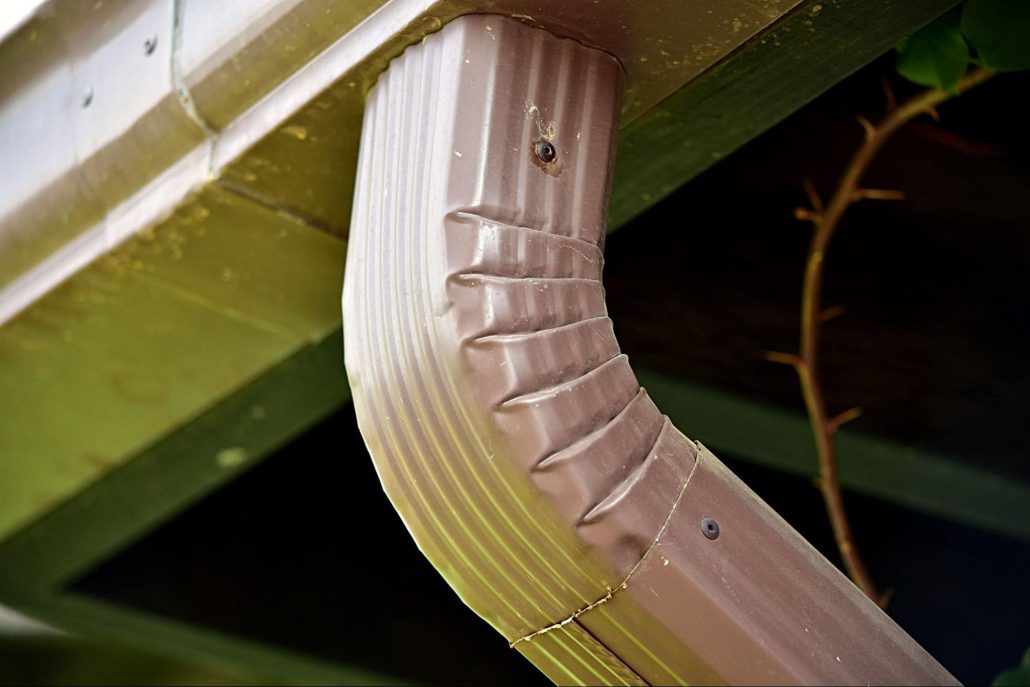
Close-up of a rain gutter with attached downspout
Gutter Services, Lake Havasu City

Why Downspout Gutters Are Essential for Protecting Your Home’s Foundation

Rainfall may feel natural, but unmanaged stormwater is a hidden enemy for homeowners. When water runs off the roof and pools around the house, it seeps into the soil and gradually undermines the foundation. Over the years, this silent process can cause cracks, uneven settling, and structural failure. Downspout gutters stop the damage by guiding water away from the property and protecting the home from expensive repairs. Understanding Downspout Gutters and Their Purpose Downspout gutters collect and redirect rainwater that falls on the roof. They connect to horizontal roof gutters and channel water away from the base of the home. Without them, uncontrolled runoff damages the soil, the siding, and the foundation itself. Every well-protected home begins with a drainage system that includes properly installed downspout gutters. Downspout Gutters for Rainwater Management Downspout gutters serve as the final step in a home’s drainage system. They take water that collects in roof gutters and move it away from vulnerable areas. When rainwater falls directly onto the ground near the house, it saturates the soil and pushes against the foundation walls. It creates hydrostatic pressure, which weakens the concrete and invites cracks. With downspouts in place, the flow is directed several feet away from the house. Homeowners avoid flooding, erosion, and foundation strain by controlling the water’s path. How Downspouts Preserve Soil and Landscaping Uncontrolled runoff can undo years of landscaping work. Water rushing off the roof strips away topsoil, drowns flowerbeds, and creates channels in the yard. Over time, this erosion leaves bare patches and ruins gardens. Downspout gutters slow the force of the rain and guide it to safer areas. They also maintain curb appeal by preserving the soil and keeping vegetation healthy. A well-kept yard supported by working downspouts adds long-term value to the property. Downspout Gutters and Foundation Stability A home’s foundation remains strong only when the surrounding soil stays stable. Waterlogged ground expands and contracts with changing weather, creating pressure on basement walls. This constant movement leads to cracks, leaks, and even settling. Downspout gutters solve the problem by moving water away before it has time to collect at the house’s base. How Water Gradually Damages Concrete Foundations Concrete appears solid, but it is porous and vulnerable to moisture. When rainwater pools near the foundation, it seeps into tiny pores and crevices. During colder months, water inside these gaps freezes and expands, causing cracks to widen. In warmer seasons, constant saturation weakens the surrounding soil, leaving the foundation without proper support. These changes often result in uneven settling or basement flooding. Properly installed downspout gutters break this cycle by directing water far enough away to relieve pressure. Early Warning Signs of Foundation Trouble Homeowners often overlook the subtle signs of foundation stress. Cracks in walls or basement floors, doors no longer close smoothly, and windows with uneven gaps are common clues. Damp smells in the basement or visible mold growth indicate moisture seeping in. Over time, even small shifts cause misalignment in the structure above. These problems often start with poor water drainage or missing downspout gutters. Property owners can avoid costly repairs by spotting these signs early and installing a proper system. Common Home Problems Without Downspout Gutters Homes without downspout gutters rarely escape the effects of unmanaged water. Rain finds its way into soil, walls, basements, and siding, creating more severe damage with each storm. Repairs become more expensive as these problems accumulate over the years. Gutter installation is a far smaller investment compared to the cost of fixing multiple areas of the property. Soil Erosion and Damage to Outdoor Spaces Runoff that pours directly off the roof is destructive to soil stability. It strips nutrients, uproots grass, and carves ruts through yards. Driveways, patios, and walkways begin shifting when the ground beneath them is washed away. Property owners often spend thousands on landscaping repair because of erosion caused by missing gutters. Downspout systems prevent this by dispersing water safely. Protecting soil and outdoor features, they help homeowners preserve both function and beauty in their yards. Basement Flooding and Growth of Mold Water begins pushing into the basement walls when the soil around the foundation becomes saturated. That often results in visible flooding during heavy storms. Even without major flooding, the constant dampness creates the perfect environment for mold. Mold damages stored belongings and releases spores that affect indoor air quality. As a result, families may face respiratory problems or allergies. Downspout gutters prevent these conditions by keeping basements dry and livable year-round. Damage to Exterior Walls and Siding Without downspouts, walls are constantly exposed to cascading water. Wooden trim rots, paint peels, and siding materials weaken under repeated contact. Water streaks stain the exterior, while splashing mud leaves unsightly marks. Insects and pests also take advantage of softened materials, causing further damage. Downspouts redirect water away, keeping exterior surfaces cleaner and more durable. In this way, they protect the home’s structure and appearance. Choosing the Best Downspout Gutters for Your Home Not all downspout systems work equally well for every house. Choosing the right type depends on roof size, rainfall levels, and the homeowner’s budget. Materials, placement, and additional features all influence performance. A well-designed gutter system tailored to the property offers the most reliable protection. Comparing Materials and Their Durability Aluminum gutters remain popular because they are lightweight, affordable, and rust-resistant. Vinyl is cheaper but becomes brittle in extreme weather and cracks easily. Steel is stronger and handles heavy impact, but requires coatings to prevent corrosion. Copper is the most durable and attractive option, with lifespans reaching several decades. The trade-off is the high upfront cost that not all homeowners are ready for. Each material has strengths and weaknesses, so homeowners should choose based on climate, budget, and maintenance preferences. Proper Placement and Sizing for Protection Even high-quality gutters fail if they are incorrectly placed. Downspouts must be installed at intervals that match the size of the roof. Larger homes often require multiple downspouts to spread the water load evenly. The slope

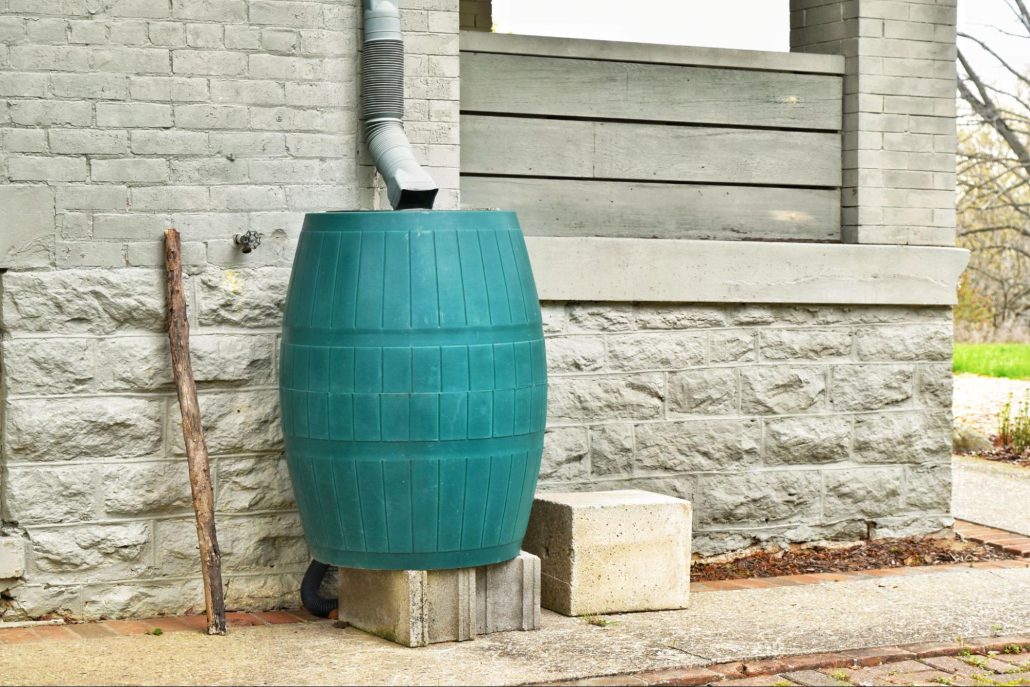
A teal rain barrel sits under a gutter on the side of a home.
Lake Havasu City

Common Mistakes to Avoid When Using Rain Barrels

Rain barrels are a simple way to turn stormwater into free irrigation, but small setup mistakes can lead to leaks, pests, and wasted effort. This guide spotlights the most common missteps—placement, screening, fittings, and maintenance—and how to avoid them, so you capture more water with fewer headaches all season long. Roof Materials and Overlooking Local Rules for Rain Barrels  Before installing or expanding a setup, check local ordinances, HOA guidelines, and water agency recommendations; some areas restrict how you plumb overflows or where you can place barrels. Also, confirm your roofing is compatible: asphalt shingles are generally fine, but copper and zinc can leach metals you may not want in edible gardens. Knowing the rules up front prevents fines and misuse. Poor Placement and Foundation of Rain Barrels Where you put your barrels determines how useful and safe they are. A solid base and sensible positioning prevent damage and make daily watering easier. Keep It Level and Elevated A full 55-gallon barrel can weigh more than 450 pounds, so it requires a flat, compacted, and raised base (such as pavers or a small platform) to prevent tipping and to provide gravity head pressure for hoses. Elevation also keeps the spigot accessible. Plan Where Excess Water Goes Even with a generous capacity, downpours will overwhelm storage. Route overflow to a splash block, swale, or existing landscaping drain to keep water away from foundations and paths. Access and Use Place barrels close to the beds or containers you’ll water, and make sure you can wheel a cart or hose around them. Convenience drives consistent use and prevents you from abandoning the system mid-season. Neglecting Your Rain Barrel’s First-Flush Diversion The first few minutes of a storm wash pollen, dust, and bird droppings from the roof. Without a first-flush diverter—or at least a manual way to bypass that initial flow—you’ll pull more sediment into the barrel and clog screens faster. Diverting the dirtiest water improves quality and extends filter life. Using the Wrong Screen or Forgetting A Rain Barrel Lid Open tops and coarse screens invite pests and debris. Tight lids and fine mesh protect water quality and flow. Mosquitoes Always cover the inlet with fine mesh (about 1 mm or smaller) and keep a tight-fitting lid. Standing water is a mosquito magnet; screens and lids also prevent leaves and critters from entering. Keep Debris Out Gutter guards and a leaf strainer at the downspout save you from constant cleaning and protect the spigot from jams. Fewer solids in means fewer clogs later. Add Safety Measures A secured lid and strapped barrel prevent tipping and accidental access. If you’ve stacked barrels, anchor the rack to a wall or fence to prevent it from shifting. Cross-Connecting Rain Barrels To Household Plumbing Without Backflow Protection Never hard-tie a barrel into indoor plumbing or irrigation that’s connected to potable water unless you’re using a proper backflow preventer and are code-compliant. Without protection, negative pressure can siphon contaminated water back into your home’s lines. Keep rainwater on a separate loop feeding drip lines, soaker hoses, or hand-watering cans. Weak or Leaky Rain Barrel Connections Joints are the usual failure points in a DIY system. Build them right the first time to avoid drips, blowouts, and mid-season repairs. Use Bulkhead Fittings Bulkhead fittings with rubber gaskets and thread seal tape create reliable, serviceable joints. Hand-tighten, then give a cautious quarter-turn with a wrench—over-tightening can cause the plastic to crack. Choose Flexible Connectors When daisy-chaining storage, use short sections of reinforced hose or flexible couplings to prevent slight shifts from stressing rigid PVC. Position the link ports at the same height so barrels fill and empty evenly. Maintain Spigots and O-Rings Plastic spigots are convenient but can deform in heat; metal ball valves last longer. Replace worn O-rings yearly and keep a spare washer kit in your toolbox. Letting Water Stagnate and Algae Grow in Rain Barrels Opaque, UV-resistant barrels, shaded placement, and tight lids keep light out and slow algae. If the water sits for weeks, drain and refresh, swishing the interior with a long-handled brush. For routine cleaning, a mild vinegar rinse is a garden-friendly option; flush the barrel before refilling. If odors persist, inspect for trapped debris at the inlet or inside the spigot. Forgetting Seasonal Rain Barrel Maintenance Rain systems are seasonal in many climates, and a little prep goes a long way. Use the calendar to winterize, restart, and tune during droughts. Before The First Freeze In cold climates, drain barrels, open valves, and disconnect downspouts to prevent ice from expanding and splitting the plastic. Store hoses and filters indoors and tip barrels slightly so rain can’t collect. Spring Restart Rinse the barrel, clear the screens, and re-seat the gaskets you loosened for winter. Re-level the base and check that overflow pipes still discharge safely. During Long Dry Spells If your roof is dusty and storms are rare, close the diverter so you don’t collect one grimy sprinkle. After a substantial rain, reopen and capture a cleaner flow. Ignoring Rain Barrel Filtration For Your End Use Match treatment to the job. For drip irrigation, a simple 100-200 micron inline filter protects emitters; for washing tools or patios, sediment filtration keeps grit out of sprayers. Rainwater from a typical roof is non-potable—don’t drink it or plumb it to fixtures used for cooking or bathing. If you’re watering edibles, apply it to the soil, not the leaves. Underestimating Rain Barrel Capacity and Demand It’s easy to overrate how much you’ll collect and underrate how much you’ll use. A half-inch storm over a 1,000-square-foot roof yields roughly 300 gallons, but a few deep waterings of a medium garden can consume that quickly in summer. Track how quickly your barrels drain; if you’re constantly empty, consider adding storage, switching to soaker hoses, or reserving rainwater for high-value beds. Skipping Routine Rain Barrel Inspections Quick checkups prevent minor issues from becoming soggy disasters. Put a recurring reminder on your phone and make a loop after storms. After Big

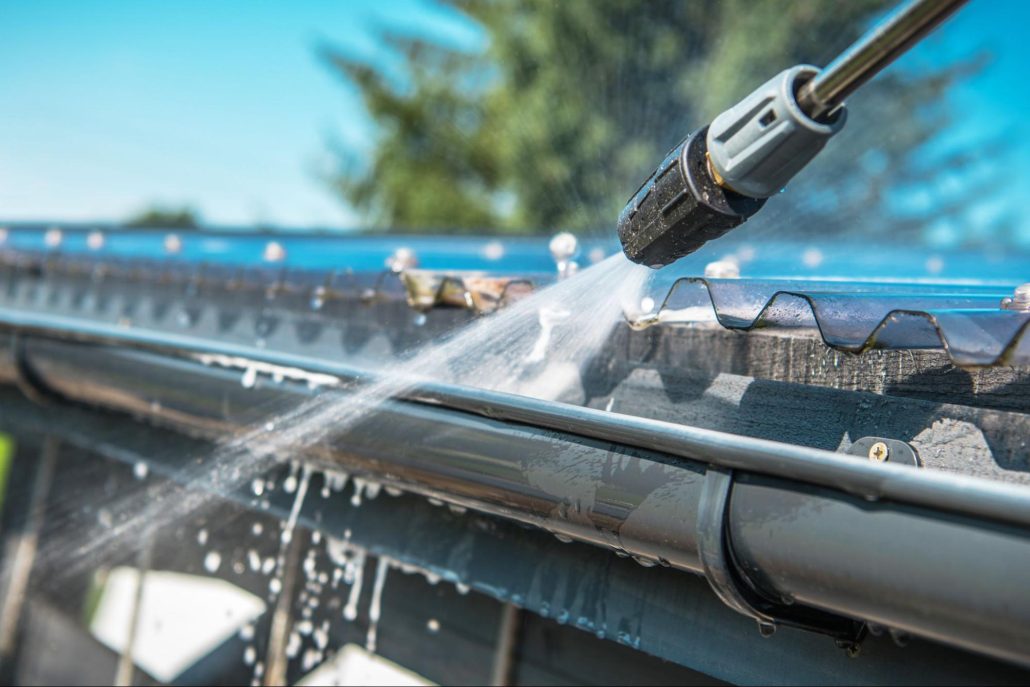
High-pressure water cleaning rain gutters on a house roof
Gutter Cleaning, Lake Havasu City

How Much Does Gutter Cleaning Cost?

Clogged gutters affect curb appeal and can cause significant damage if left unattended. Still, many homeowners don’t think about gutter cleaning until something breaks. The problem isn’t just forgetting; it’s also not knowing what the service should cost. Getting clear on pricing now helps avoid bigger bills and last-minute headaches later. How Much Does Gutter Cleaning Cost on Average? Even a basic gutter cleaning job varies in price depending on a few core details. While some homeowners pay less than $100 per visit, others can pay over $400. The cost depends on the home’s height, square footage, and location. Understanding the average range helps you prepare and avoid getting overcharged. National Averages and Price Ranges Across the U.S., most gutter cleaning services charge between $0.70 and $1.30 per linear foot. That means a typical one-story home with 150 feet of gutter could cost between $100 and $200. For two-story houses, the rate usually increases due to the added height and complexity. Expect those jobs to range from $150 to $350. In cities with higher labor costs, prices may push higher than that range. Cost by Cleaning Method Different cleaning techniques also affect pricing. Hand-cleaning tends to cost less but takes longer. Vacuum systems or power washers may cost more, but they clean faster and more thoroughly. Some companies include debris disposal and downspout flushing in their rates. Other providers may charge additional fees, so it’s wise to clarify what’s included before booking. What Factors Affect Gutter Cleaning Prices? Every home is different, and so is every gutter job. Companies consider more than just length; they look at your roof, debris, and how hard the work will be. That’s why two homes on the same block can get two different quotes. Knowing what drives those differences gives you better control over your budget. Home Height and Roof Design A tall house isn’t just more challenging to clean and riskier. Two- and three-story homes require special ladders and safety equipment. Roof pitch matters too, especially if it’s steep or has odd angles. These variables increase the work duration and demand more cleaning experience. Naturally, the added labor affects the bottom line. Gutter Condition and Past Maintenance Clean gutters are quicker to maintain than those packed with sludge. Expect higher costs if your gutters haven’t been touched in a year or two. Professionals must clear clogs, scoop out buildup, and sometimes flush mold or algae. Bad joints or sagging sections take even longer to clean. Regular upkeep saves you from these additional fees. Tree Coverage and Surroundings If your house is near trees, your gutters likely fill up quickly. Pine needles, leaves, and twigs clog gutters quickly in wooded areas. Due to frequent debris buildup, homes surrounded by trees often need gutter cleaning several times a year. Moss and roof debris also increase labor time, resulting in more trips and higher service charges.  Length and Accessibility of Gutters Longer gutter systems require more work, even if they’re easy to reach. But when ladders must be moved repeatedly, the job slows down. Gutters above patios, overhangs, or garden beds can also complicate things. Tight spaces or blocked walkways increase the difficulty. These access issues usually increase the service quote. How Often Should You Clean the Gutters? Gutter cleaning isn’t a once-a-year thing for every home. Your location, roofline, and nearby trees all impact how often you’ll need it. Getting the timing right helps prevent damage and reduce long-term expenses. Sticking to a smart cleaning schedule also keeps each visit less costly. Seasonal Cleaning Frequency Fall and spring are the busiest times for gutter cleaners, when trees drop the most debris and gutters clog fast. Scheduling cleanings twice a year is ideal for most homes. Some houses near heavy tree cover may need three to four visits. Skipping cleanings often leads to more significant, costly problems.  Local Climate and Rainfall Wet regions like the Pacific Northwest require more frequent cleanings. Constant rainfall can expose minor clogs and cause overflows quickly. Dry areas like the Southwest might go longer between cleanings. However, wind can blow sand, dust, or leaves into gutters even in dry climates. The local weather directly impacts how soon your gutters fill again. DIY vs. Professional Gutter Cleaning Costs Some homeowners try to cut costs by cleaning their gutters themselves. While it’s tempting, there’s more to this decision than saving money. Safety, tools, and time play significant roles. Comparing real-world risks and trade-offs helps you decide what’s best for your situation. Risks and Hidden Costs of DIY Gutter Cleaning Buying a ladder, gloves, and a scoop might cost $50–$100 up front. But the real cost lies in time and physical risk. Falls from ladders are a top cause of injury for homeowners. You may also damage your roof, gutters, or siding during cleaning. If you miss a clog, the repair costs could outweigh any savings. Why Professional Gutter Cleaning Is Worth It  Professionals show up with experience, equipment, and insurance. They finish the job faster and with less mess. Many also inspect for early signs of damage. Their fee includes hauling debris, flushing downspouts, and double-checking tricky corners. Paying more may save you from major repairs in the long run. Extra Services That Affect Gutter Cleaning Prices Some gutter cleaning jobs aren’t just about removing leaves. Add-on services often raise the total bill. However, many of these extras offer extra value if timed well. Knowing what’s optional and what’s essential helps you choose wisely. Installing Gutter Guards Gutter guards help block leaves and debris from entering your gutters, which can reduce how often cleanings are needed. While they require an upfront investment, the long-term savings on maintenance may be worth it. Costs vary depending on the material and installation complexity. Basic options are more affordable but may need replacement or cleaning sooner. Remember that guards don’t eliminate the need for cleaning entirely—they just make it less frequent. Cleaning and Repairing Downspouts Downspouts can clog quickly, especially in aging gutter systems. A blocked

Roof drain on rustic two-story wooden house with white balcony.
Lake Havasu City, Services

The Difference Between Scuppers and Roof Drains: What You Should Know

Roofs do more than keep out the weather; they quietly protect your building’s structure day after day. But when it rains, that protection depends on how well the roof handles water. If it fails, the damage can creep in fast: stained ceilings, mold growth, and even structural decay. Many building owners and managers are stuck choosing between roof scuppers and drains, unsure which is right. That decision matters more than most realize and can save or cost thousands. What Are Roof Scuppers and How Do They Function? Roof scuppers are simple yet effective openings built into parapets or perimeter walls. They let water exit the roof before it builds up. Unlike internal systems, scuppers rely on gravity and open flow. They’re often used in commercial or industrial roofs with flat or low slopes. Definition and Basic Function A roof scupper is an outlet set at the roof’s edge, usually through a wall or parapet. It provides a direct escape route for standing water. Water flows from the scupper, dropping to the ground or entering a downspout system. The system is external and evident, which helps with maintenance but may affect aesthetics. Types of Scuppers You Might Encounter There are several roof scuppers, each suited to a specific setup. Channel-type scuppers direct water through a sleeve or duct. Through-wall scuppers pass water through the building’s exterior and into downspouts. Open scuppers leave the outlet exposed for quick drainage. Materials like copper, aluminum, or stainless steel are standard. Placement and sizing depend on roof dimensions and expected rainfall. How Scuppers Move Water Off the Roof Scuppers use gravity to drain water away from the roof’s edge. They work best when installed with a slight slope directing water toward the outlet. Water flows fast and visibly during heavy storms, giving building managers a real-time look at drainage performance. However, if blocked by debris, scuppers may overflow and cause streaking on exterior walls. Overflow Scuppers for Backup Protection Overflow scuppers act as a second line of defense. They’re set slightly higher than the main scuppers. If primary drainage clogs or fails, water exits through the overflow scuppers. It prevents ponding or pressure damage to the roof membrane. Many building codes now require them in commercial roof designs. What Are Roof Drains and Their Role in Drainage Roof drains work quietly beneath the surface, pulling water through the roof into interior pipes. This setup is typical in larger buildings where exterior drainage isn’t practical. These systems offer a sleek, invisible solution but require more engineering and upkeep. Basic Definition and How Roof Drains Work Roof drains are plumbing fixtures embedded into the roof surface. Water enters through a strainer and passes into a pipe system. These pipes run through the interior of the building and connect to storm sewers or collection tanks. The system is hidden but carefully designed. A proper slope toward each drain ensures efficient water removal. Key Components of a Roof Drain System Each roof drain includes a dome strainer to block debris. Beneath that is a sump or bowl that channels water into the piping system. Flashing keeps water from seeping around the base of the drain. The connected piping runs vertically or horizontally, depending on the building layout. Together, these parts form a sealed, secure drainage path. Water Flow and Drainage Performance Internal drains work best on large, flat roofs where water must travel far. A correctly sloped deck directs water toward each drain head. During storms, the water disappears quickly without visible runoff. Snowmelt is also handled efficiently since drains are insulated and protected from freezing. However, a clogged pipe inside the building is more difficult to detect and fix. Comparing Scuppers and Roof Drains in Real Use Choosing between these systems isn’t just technical; it shapes how a building looks, functions, and ages. Each system offers unique benefits and challenges. The wrong call can lead to leaks, costly repairs, or safety concerns. Installation Demands and Long-Term Maintenance Scuppers are relatively easy to install. They don’t require internal plumbing or complex connections. Roof drains, in contrast, must be placed carefully during construction or major renovations. They need sloping, flashing, insulation, and access panels. Maintenance is easier with scuppers because the drainage path is visible and accessible. Aesthetic and Structural Considerations Scuppers are visible outside the building. While some architects integrate them artistically, others find them intrusive. Roof drains stay hidden and maintain clean exterior lines. However, they occupy space inside walls or ceilings and can complicate other systems. Either method affects how the building is framed and sealed. How Each System Handles Harsh Weather If properly sized and clear, scuppers shed water rapidly in heavy rain. However, if blocked, overflow can stain walls or erode landscaping. Roof drains can handle larger volumes through multiple intake points. However, they risk clogging from roof debris or freezing if poorly insulated. Buildings in wet or snowy climates rely more on drains, especially when combined with heating cables or sump pumps. Costs and Life Cycle Value Scuppers have a lower upfront cost, especially on simple buildings. They require less material, planning, and labor. Roof drains cost more at installation due to plumbing needs. However, large commercial roofs often offer better long-term performance. Choosing based on lifecycle costs, not just price, avoids future repair headaches. When Scuppers Are the Better Option for Your Roof Scuppers work better in certain situations. They’re ideal for flat or low-sloped roofs with short water travel distances. Depending on your goals, their simplicity and visibility can be tangible assets. Roof Types and Climates Suited for Scuppers Scuppers fit best on small to medium roofs that slope slightly. These roofs need basic runoff systems rather than deep drainage. The quick-shedding design benefits areas with light or moderate rainfall. It’s also valuable for dry regions where water rarely pools. In those conditions, scuppers can perform well with minimal upkeep. Maintenance and Access Advantages Because scuppers are exposed, they’re easy to check and clean. Leaves, trash, or ice are visible and

In Business Since 1986

© 2025 Quality Rain Gutters Inc. | All Rights Reserved. | Digital Marketing by BrandRep | Website Hosting by SkyPoint Studios
Scroll to Top