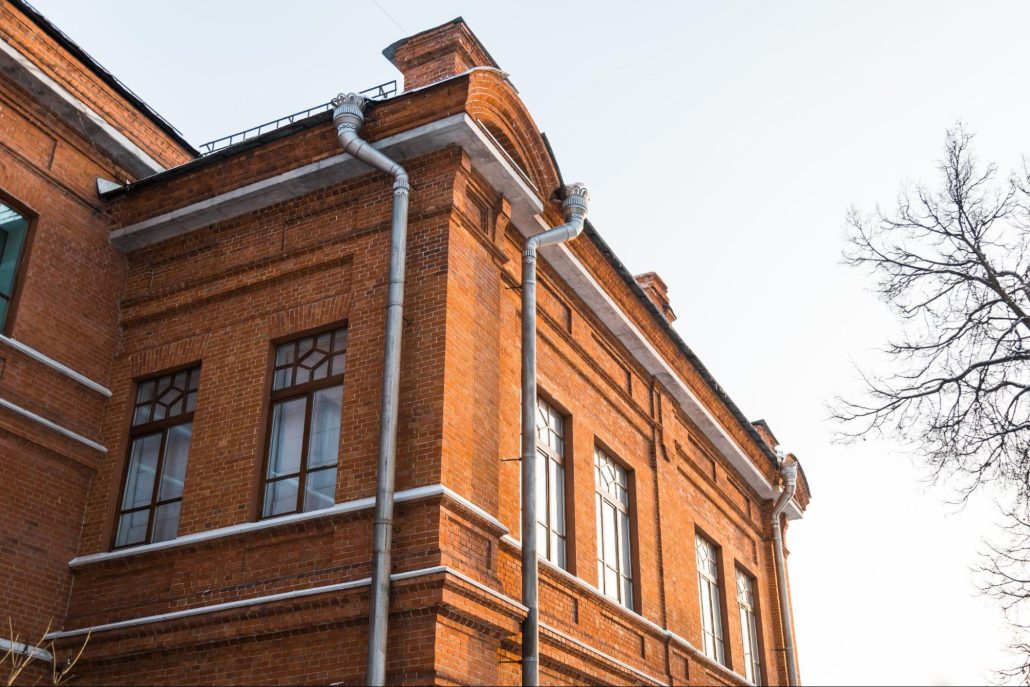
The Cost Factors Behind Installing Commercial Gutters
Business owners constantly juggle property maintenance costs; gutters are often overlooked until problems arise. Commercial gutters protect buildings from water intrusion, foundation damage, and costly repairs that disrupt operations. Their installation requires careful consideration of materials, labor, design, and ongoing upkeep. Knowing what drives these costs helps property owners make informed, budget-smart decisions. Commercial Gutter Material Costs The type of material is the single most significant factor in pricing. Each option varies in cost, durability, and appearance, which affects long-term value. Some materials are affordable but less durable, while others offer longevity at a higher upfront price. Choosing the right option depends on property needs and budget priorities. Aluminum Gutters Aluminum gutters are cost-effective, lightweight, and resistant to rust. They are simple to install, which keeps labor costs lower than heavier metals. Aluminum comes in different colors, making it suitable for visible areas of commercial properties. However, aluminum is prone to dents in high-impact environments, such as areas with frequent storms. While it offers a good balance of affordability and performance, business owners may need to replace sections sooner than more durable materials. Galvanized Steel Steel gutters are stronger than aluminum and better suited for wide roof spans. Their rigidity handles high water volumes, vital for large warehouses or office complexes. They require skilled installation, which increases labor costs compared to lighter options. Over time, steel can corrode if protective coatings wear down. Despite this, many property managers select steel for its toughness in demanding climates. It provides a middle ground between affordability and long-lasting reliability. Copper Commercial Gutters Copper gutters deliver strength and aesthetics, making them popular for historic or high-end buildings. They resist corrosion naturally, meaning they can last decades with minimal maintenance. Their striking appearance also improves property curb appeal, which benefits retail and client-facing locations. The downside is their high upfront price, which may not suit every budget. Skilled installation is required, adding labor expenses on top of material costs. Still, copper gutters are considered a long-term investment rather than a short-term fix. Vinyl Gutters Vinyl gutters are the most affordable option available for commercial properties. They are lightweight and easy to install, which makes them attractive for businesses on tighter budgets. However, they do not perform well in areas with extreme temperatures, where they can warp or crack. Their lifespan is far shorter than that of metal alternatives, leading to more frequent replacements. Many property owners use vinyl temporarily until funds allow for stronger materials. While cheap upfront, vinyl often costs more over time due to frequent maintenance. Commercial Gutter Size and Capacity Gutter size directly impacts cost because larger systems require more material and labor. Commercial properties often need wider gutters to handle heavy water flow from expansive rooflines. Downspouts must match gutter capacity to prevent overflow and flooding issues. In some cases, custom fabrication is necessary, which increases installation costs. Standard vs. Oversized Commercial Gutters Standard commercial gutters typically measure five to six inches wide. Oversized options, like seven or eight-inch gutters, are essential for larger roofs. While oversized gutters cost more upfront, they prevent long-term damage by effectively managing heavy rainfall. These systems also reduce stress on joints, which helps extend their lifespan. Choosing the right size avoids frequent repairs and replacements. Contractors usually recommend oversized gutters for industrial or multi-level properties. Commercial Downspout Sizing Downspouts control how quickly water exits a gutter system, making sizing crucial. Smaller downspouts paired with large gutters often create bottlenecks that cause overflow. Larger downspouts cost more but provide smoother water flow, especially in taller buildings. Extended lengths for high-rise properties also increase costs. Contractors usually match gutter size with proportional downspouts to keep performance consistent. Skimping on downspouts can undermine even the best gutter system.Custom Commercial Gutter Fabrication Some commercial buildings require custom gutter systems to fit unique rooflines. Complex roof angles, curves, or multi-level structures often make prefabricated options impractical. Custom fabrication involves higher labor costs because installers must build gutters on-site. Specialized tools and equipment also add to the total expense. While more expensive, custom systems prevent drainage failures that standard options cannot address. Property managers see this as an investment in preventing recurring repair bills. Commercial Building Design Costs The architecture of a property directly influences gutter installation costs. Roof pitch, height, and structural complexity increase the time and resources needed. Contractors adjust bids based on accessibility and safety concerns. These building-related factors can create vast cost differences across projects. Roof Pitch and Water Flow Steeper roofs shed rainwater quickly, putting pressure on gutters. They often require larger systems that cost more to install. Labor expenses also rise because installers face more safety risks on steep pitches. Shallow roofs may reduce material costs, but still need careful drainage design. Both extremes affect pricing differently. Contractors analyze roof pitch closely before finalizing estimates. Multi-Level Commercial Roofs Commercial properties with multiple roof levels require complex gutter layouts. Each level often needs its own drainage solution, which increases material use. Installers must connect multiple sections carefully to prevent pooling. Extra connectors and downspouts add to expenses. Labor also increases because of the time needed for detailed installation. That makes multi-level properties more expensive than single-level designs. Height and Accessibility Challenges Tall buildings increase installation costs due to access challenges. Contractors often need lifts, scaffolding, or safety gear, which adds rental fees. Limited property access can also slow crews down, extending labor hours. Dense urban areas may require special permits for equipment setup. These conditions make gutter installation more costly for taller or hard-to-reach buildings. Business owners should expect higher bids when accessibility is limited. Labor Costs for Commercial Gutter Installation Labor is one of the most significant cost factors in gutter projects. Skilled crews charge more but reduce long-term issues through quality work. Local wages, project duration, and contractor expertise all affect pricing. Comparing labor rates is essential for accurate budgeting. Local Labor Market Rates Labor prices vary depending on region, population density, and demand. Urban areas typically have higher labor costs than rural