Services

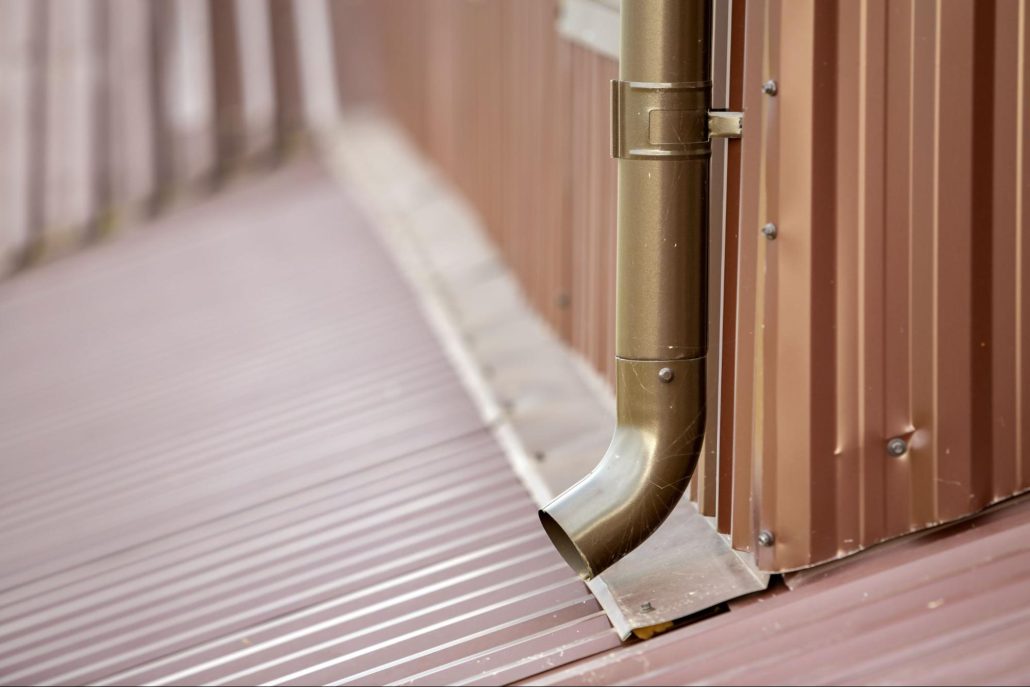
Close-up of a new brown metal downspout system mounted on a wall.
Services

Why Downspouts Are Essential for Effective Water Drainage

Water moves fast and with force, especially during a heavy downpour. It collects near your home without a proper path and chips away at its structure. Cracks form, mold spreads, and landscaping washes out, all because water wasn’t sent where it should go. For homeowners, minor missteps in water management lead to outsized repair bills later. Downspouts are a fundamental part of home drainage, but their effect on property protection is negligible. How Downspouts Direct Water Away From Your Home Downspouts work with your gutter system to direct rainwater from the roof to safe drainage zones away from the foundation. This process uses gravity and proper slope to move water quickly, avoiding soil erosion and puddling. When the slope is too shallow, water can pool and stall; it can hit the ground too hard and wash soil away when it is too steep. The placement and number of downspouts also matter, especially on large or complex rooflines. In short, a downspout’s success depends on its pitch, location, and connection to the surrounding landscape. Gravity and Slope Make it Work Downspouts rely on gravity, but gravity alone isn’t enough without the correct slope and outlet position. A properly sloped gutter feeds water into the downspout, and the downspout’s vertical drop must guide it far enough away to prevent soil saturation. If the yard doesn’t slope away from the house, downspouts should connect to extensions or underground piping. It ensures that runoff doesn’t simply drain near the foundation, where it can harm it over time. Maintaining a smooth, unrestricted water path from the roof to the outlet keeps drainage consistent and safe. Placement Matters More Than You Think Downspout exits can protect or damage your home depending on how close it is to the structure’s base. If it ends near the foundation, water will seep into the soil, causing pressure buildup that can crack walls and floors. Clever placement sends runoff toward storm drains, drainage beds, or lower-elevation zones. Multiple downspouts spaced evenly prevent overflow and overload for larger homes or those with roof valleys. Correct positioning is not just about effectiveness; it also limits erosion, waterlogging, and long-term structural risks. The Hidden Costs of Missing or Faulty Downspouts Many homeowners underestimate the damage water can cause when it’s not managed correctly, to the point where it leaves the gutter. A missing or broken downspout lets water run freely down the side of the house, saturating walls, windows, and soil. Over weeks and months, that moisture builds up behind siding and inside basements, creating perfect conditions for mold and decay. The damage from such a small fixture’s absence can cost thousands in repairs, mainly when it affects structural elements. If your downspouts are cracked, clogged, or pointed in the wrong direction, the cost of doing nothing increases daily. Water Damage Doesn’t Wait Rainwater that isn’t guided away from your home takes the path of least resistance. It often happens in crawl spaces, basements, and wall cavities. Even a small stream of water can soak insulation, warp wood, and stain drywall if left unchecked. Moisture inside a wall or under flooring is hard to detect and expensive to fix later. Mold thrives in these damp areas, and once it spreads, it can affect indoor air quality and health. The damage caused by a single rainy season can take weeks and thousands of dollars to reverse if downspouts aren’t doing their job. Foundation Repair is Never Cheap When water consistently pools around your foundation, it seeps downward and increases pressure against the concrete walls. That causes cracking and eventual structural shifting. Once the foundation moves, other problems follow: uneven floors, stuck doors, and visible wall gaps. Repairs often involve excavation, hydraulic lifting, and waterproofing barriers, which can cost several thousand dollars depending on the depth of damage. Even if cracks start small, they rarely stay that way without intervention. Proper downspout drainage prevents the persistent saturation that leads to foundation instability and heavy repair bills. Downspouts Help Prevent Landscape Destruction Downspouts don’t just protect the house; they also protect the yard and everything built on it. When water rushes out in one spot repeatedly, it tears through mulch beds, washes out topsoil, and drowns plants. Grass can’t recover if the roots suffocate under pooled water, and erosion slowly reshapes your yard without you noticing. Over time, sidewalks crack, patios tilt, and beautiful landscaping turns into mud pits. A well-directed downspout preserves the look and function of your yard by distributing water safely and evenly. Soil Washout is a Silent Killer Every time it rains, unprotected soil takes a hit from the force of falling water. If downspouts aren’t extended far enough or aren’t draining into suitable zones, they accelerate erosion and reduce soil density. Plants in those areas begin to struggle, and bare dirt patches appear where turf used to thrive. Water also compacts the soil, making it harder for air to reach the roots, leading to plant death over time. Preventing this kind of soil destruction starts with guiding runoff gently and consistently to low-impact areas. Protecting Hardscapes and Driveways Downspouts that empty onto driveways or near patios cause more than surface pooling; they can compromise the structure beneath. Waterworks between paver joints or under concrete slabs freeze and expand in cold weather, leading to hardscape cracking, sinking, and sometimes total failure. Over time, a minor gap becomes a trip hazard or a flooded surface that damages tires and tools. Redirecting runoff with precision preserves the safety and value of paved areas around your home. Modern Downspout Options and Add-Ons Today’s downspouts offer more than the plain aluminum pipes of the past. Homeowners can now access add-ons and configurations that fit their property’s layout, soil conditions, and even eco-friendly goals. From flexible extensions to rainwater harvesting setups, these upgrades improve performance and sustainability. Custom setups can also be tailored to prevent runoff from hitting walkways or neighbor properties. Whether your goal is practicality, aesthetics, or conservation, modern downspout solutions offer the flexibility

Roof drain on rustic two-story wooden house with white balcony.
Lake Havasu City, Services

The Difference Between Scuppers and Roof Drains: What You Should Know

Roofs do more than keep out the weather; they quietly protect your building’s structure day after day. But when it rains, that protection depends on how well the roof handles water. If it fails, the damage can creep in fast: stained ceilings, mold growth, and even structural decay. Many building owners and managers are stuck choosing between roof scuppers and drains, unsure which is right. That decision matters more than most realize and can save or cost thousands. What Are Roof Scuppers and How Do They Function? Roof scuppers are simple yet effective openings built into parapets or perimeter walls. They let water exit the roof before it builds up. Unlike internal systems, scuppers rely on gravity and open flow. They’re often used in commercial or industrial roofs with flat or low slopes. Definition and Basic Function A roof scupper is an outlet set at the roof’s edge, usually through a wall or parapet. It provides a direct escape route for standing water. Water flows from the scupper, dropping to the ground or entering a downspout system. The system is external and evident, which helps with maintenance but may affect aesthetics. Types of Scuppers You Might Encounter There are several roof scuppers, each suited to a specific setup. Channel-type scuppers direct water through a sleeve or duct. Through-wall scuppers pass water through the building’s exterior and into downspouts. Open scuppers leave the outlet exposed for quick drainage. Materials like copper, aluminum, or stainless steel are standard. Placement and sizing depend on roof dimensions and expected rainfall. How Scuppers Move Water Off the Roof Scuppers use gravity to drain water away from the roof’s edge. They work best when installed with a slight slope directing water toward the outlet. Water flows fast and visibly during heavy storms, giving building managers a real-time look at drainage performance. However, if blocked by debris, scuppers may overflow and cause streaking on exterior walls. Overflow Scuppers for Backup Protection Overflow scuppers act as a second line of defense. They’re set slightly higher than the main scuppers. If primary drainage clogs or fails, water exits through the overflow scuppers. It prevents ponding or pressure damage to the roof membrane. Many building codes now require them in commercial roof designs. What Are Roof Drains and Their Role in Drainage Roof drains work quietly beneath the surface, pulling water through the roof into interior pipes. This setup is typical in larger buildings where exterior drainage isn’t practical. These systems offer a sleek, invisible solution but require more engineering and upkeep. Basic Definition and How Roof Drains Work Roof drains are plumbing fixtures embedded into the roof surface. Water enters through a strainer and passes into a pipe system. These pipes run through the interior of the building and connect to storm sewers or collection tanks. The system is hidden but carefully designed. A proper slope toward each drain ensures efficient water removal. Key Components of a Roof Drain System Each roof drain includes a dome strainer to block debris. Beneath that is a sump or bowl that channels water into the piping system. Flashing keeps water from seeping around the base of the drain. The connected piping runs vertically or horizontally, depending on the building layout. Together, these parts form a sealed, secure drainage path. Water Flow and Drainage Performance Internal drains work best on large, flat roofs where water must travel far. A correctly sloped deck directs water toward each drain head. During storms, the water disappears quickly without visible runoff. Snowmelt is also handled efficiently since drains are insulated and protected from freezing. However, a clogged pipe inside the building is more difficult to detect and fix. Comparing Scuppers and Roof Drains in Real Use Choosing between these systems isn’t just technical; it shapes how a building looks, functions, and ages. Each system offers unique benefits and challenges. The wrong call can lead to leaks, costly repairs, or safety concerns. Installation Demands and Long-Term Maintenance Scuppers are relatively easy to install. They don’t require internal plumbing or complex connections. Roof drains, in contrast, must be placed carefully during construction or major renovations. They need sloping, flashing, insulation, and access panels. Maintenance is easier with scuppers because the drainage path is visible and accessible. Aesthetic and Structural Considerations Scuppers are visible outside the building. While some architects integrate them artistically, others find them intrusive. Roof drains stay hidden and maintain clean exterior lines. However, they occupy space inside walls or ceilings and can complicate other systems. Either method affects how the building is framed and sealed. How Each System Handles Harsh Weather If properly sized and clear, scuppers shed water rapidly in heavy rain. However, if blocked, overflow can stain walls or erode landscaping. Roof drains can handle larger volumes through multiple intake points. However, they risk clogging from roof debris or freezing if poorly insulated. Buildings in wet or snowy climates rely more on drains, especially when combined with heating cables or sump pumps. Costs and Life Cycle Value Scuppers have a lower upfront cost, especially on simple buildings. They require less material, planning, and labor. Roof drains cost more at installation due to plumbing needs. However, large commercial roofs often offer better long-term performance. Choosing based on lifecycle costs, not just price, avoids future repair headaches. When Scuppers Are the Better Option for Your Roof Scuppers work better in certain situations. They’re ideal for flat or low-sloped roofs with short water travel distances. Depending on your goals, their simplicity and visibility can be tangible assets. Roof Types and Climates Suited for Scuppers Scuppers fit best on small to medium roofs that slope slightly. These roofs need basic runoff systems rather than deep drainage. The quick-shedding design benefits areas with light or moderate rainfall. It’s also valuable for dry regions where water rarely pools. In those conditions, scuppers can perform well with minimal upkeep. Maintenance and Access Advantages Because scuppers are exposed, they’re easy to check and clean. Leaves, trash, or ice are visible and

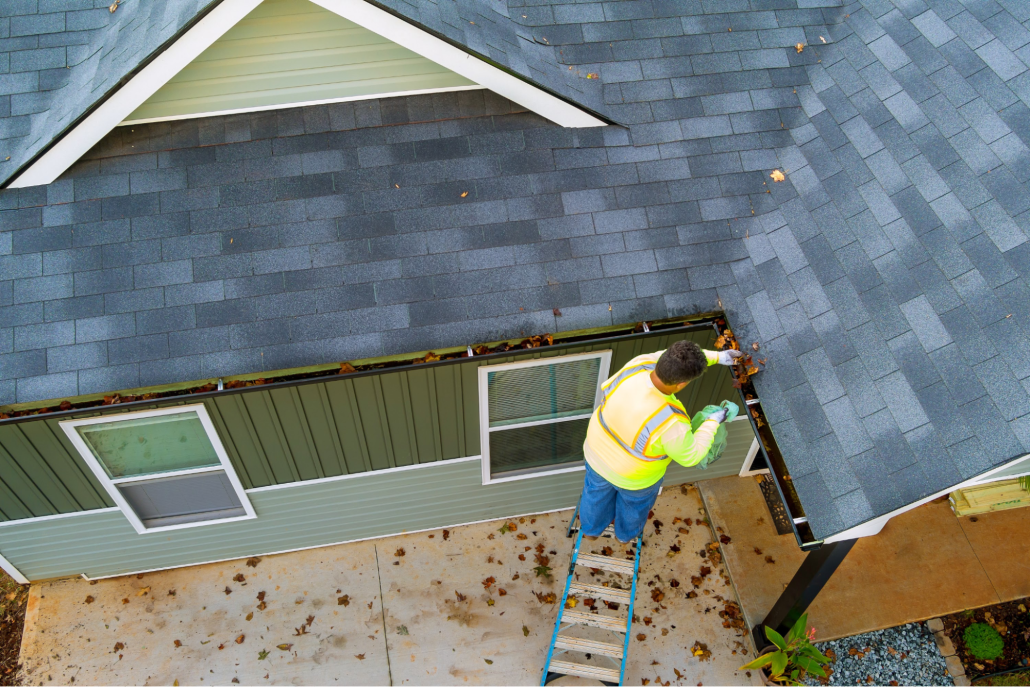
A contractor cleaning a gutter.
Services

Why Gutter Cleaning and Repair Should Be Part of Your Seasonal Routine

Every season brings unique challenges to your home, but few are as consistently overlooked as those caused by clogged or damaged gutters. While they may seem like a minor component of your property, gutters are crucial in protecting your roof, siding, foundation, and landscaping from costly water damage. Without regular gutter cleaning and repair, buildup from leaves, debris, and weather-related wear can lead to severe structural problems that escalate quickly. Making gutter maintenance part of your seasonal routine is one of the simplest yet most effective ways to safeguard your home year-round. How Clogged Gutters Lead to Costly Repairs Gutters are only effective when water can flow freely through them. Once clogged with leaves, twigs, dirt, or shingle granules, water spills over the edges. Instead of being carried safely away, water begins to soak into areas it was never meant to reach, like siding seams and foundation joints. If left unchecked, the damage can lead to thousands of dollars in repairs. The Role of Gutter Cleaning in Preventing Roof Damage Your roof depends on clean, functioning gutters to drain water effectively. When gutters are blocked, water backs up and sits at the roof’s lower edge, eventually seeping into the underlayment and attic. This standing water accelerates the deterioration of shingles and may even cause wood to rot beneath the surface. Seasonal gutter cleaning preserves the roof’s integrity and prevents costly roof replacements. Addressing Roof Rot Before it Spreads When roof materials begin to rot, the damage can spread rapidly into the rafters and internal supports. Mold can also grow in the affected areas, further weakening the structure. Roof rot caused by gutter overflow is entirely preventable with regular maintenance. A clean, clear gutter line keeps moisture away from these critical zones. Protecting Your Home’s Foundation Through Gutter Cleaning The home’s foundation is among the most expensive components to repair or replace. When gutters don’t work, water falls directly at the base of the house. Over time, this consistent moisture can cause the soil to shift, creating pressure against the concrete or block walls. Gutter cleaning removes water, keeping the soil dry and the foundation stable. How Water Causes Cracks and Basement Leaks Water that collects near the foundation can freeze during colder months, causing the structure to expand and crack. Even in warmer climates, poor drainage can saturate the ground and increase hydrostatic pressure. This pressure enters the basement walls and floors, leading to leaks or flooding. A clean and well-maintained gutter system prevents this destructive cycle. Avoiding Damage to Siding With Gutter Cleaning Water from overflowing gutters doesn’t just damage the top or bottom of the house; it also affects the interior. It also trickles down the sides, soaking into the siding, trim, and fascia boards. These materials aren’t designed to withstand constant wet conditions. Seasonal gutter cleaning stops this water from pouring down your home’s side and deteriorating its appearance. Preserving the Appearance of Your Exterior Over time, dirty water leaves stains on siding and paint, while repeated wetting and drying can cause blistering and peeling of the paint. Rotting fascia boards are also a common side effect of blocked gutters. Keeping your gutters clean protects your home’s visual appeal and preserves its structural components for longer. Seasonal Changes Bring Unique Gutter Cleaning Challenges Each season presents its threats to your gutter system. In the fall, falling leaves and twigs are the primary culprits of clogging. Winter brings snow, ice, and freezing conditions that physically strain your gutters. Spring introduces seed pods, blossoms, and increased rainfall, while summer storms drop branches and heavy debris. Gutter cleaning should be scheduled seasonally to tackle these evolving challenges. Why Fall and Spring Are Especially Critical The most critical times for gutter cleaning are before winter and after snowmelt. In the fall, debris needs to be removed before snow and ice can trap it in place. In spring, gutters must be cleared to handle heavy seasonal rain. Ignoring either season increases the risk of damage during the year’s most intense weather. The Link Between Gutter Cleaning and Pest Control Clogged gutters are a haven for pests. When organic material and stagnant water accumulate, they attract insects, birds, and rodents. Mosquitoes, in particular, breed rapidly in standing water. Regular gutter cleaning eliminates these conditions and reduces the likelihood of pests making your gutters or home their new habitat. Rodents and Birds Building Nests in Gutters Birds and squirrels often use clogged gutters as nesting spots. Once they move in, they can cause additional blockages and damage. Rodents may find ways inside your attic through gaps created by water damage. Cleaning your gutters seasonally helps keep pests away from your roofline and discourages infestations. Enhancing Curb Appeal With Gutter Cleaning Gutters may not be the first thing people notice, but they affect your home’s visual impression. Dirty or sagging gutters appear neglected and detract from curb appeal. Potential buyers often associate the condition of the gutters with the overall maintenance of the property. Keeping your gutters clean enhances property value and helps your home make a great first impression. Showcasing a Well-Maintained Home Buyers and appraisers look for signs of responsible ownership. A clean gutter system with no water stains, plant growth, or detachment indicates that the home has been well cared for. If you’re selling, seasonal gutter cleaning should be part of your pre-sale checklist to improve buyer confidence. Cleaning Your Gutters to Avoid Ice Dams and Winter Hazards Ice dams are a common winter problem in cold climates. When melting snow cannot drain through clogged gutters, it refreezes at the roof’s edge, forming a dam that traps water behind it and forces it beneath the shingles. Cleaning gutters before winter prevents this buildup and protects your roof from leaks. Preventing Damage From Ice Expansion Water expands when it freezes, and that expansion can split seams, crack brackets, and even pull gutters away from the house. It also adds significant weight to the gutter system. Keeping your gutters clear in winter helps

In Business Since 1986

© 2025 Quality Rain Gutters Inc. | All Rights Reserved. | Digital Marketing by BrandRep | Website Hosting by SkyPoint Studios
Scroll to Top