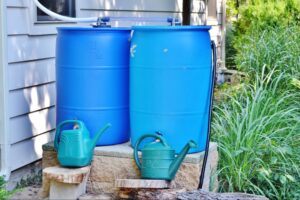
Water bills keep climbing, and outdoor use often drives the highest monthly costs. Many property owners want practical ways to cut expenses without changing daily routines. Rain collection barrels capture runoff that would otherwise flow away unused. These systems support garden care, cleaning, and basic outdoor needs with minimal effort. A well-placed setup can reduce waste while improving how a property uses water.
Rain Collection Barrels and Their Purpose
Rainwater harvesting at home starts with simple tools that deliver steady results. Rain collection barrels capture runoff and store it for later use around the property. These systems rely on gravity and basic plumbing rather than complex equipment. As a result, they suit homeowners who want efficiency without high installation costs.
What Rain Barrels Do for Homes
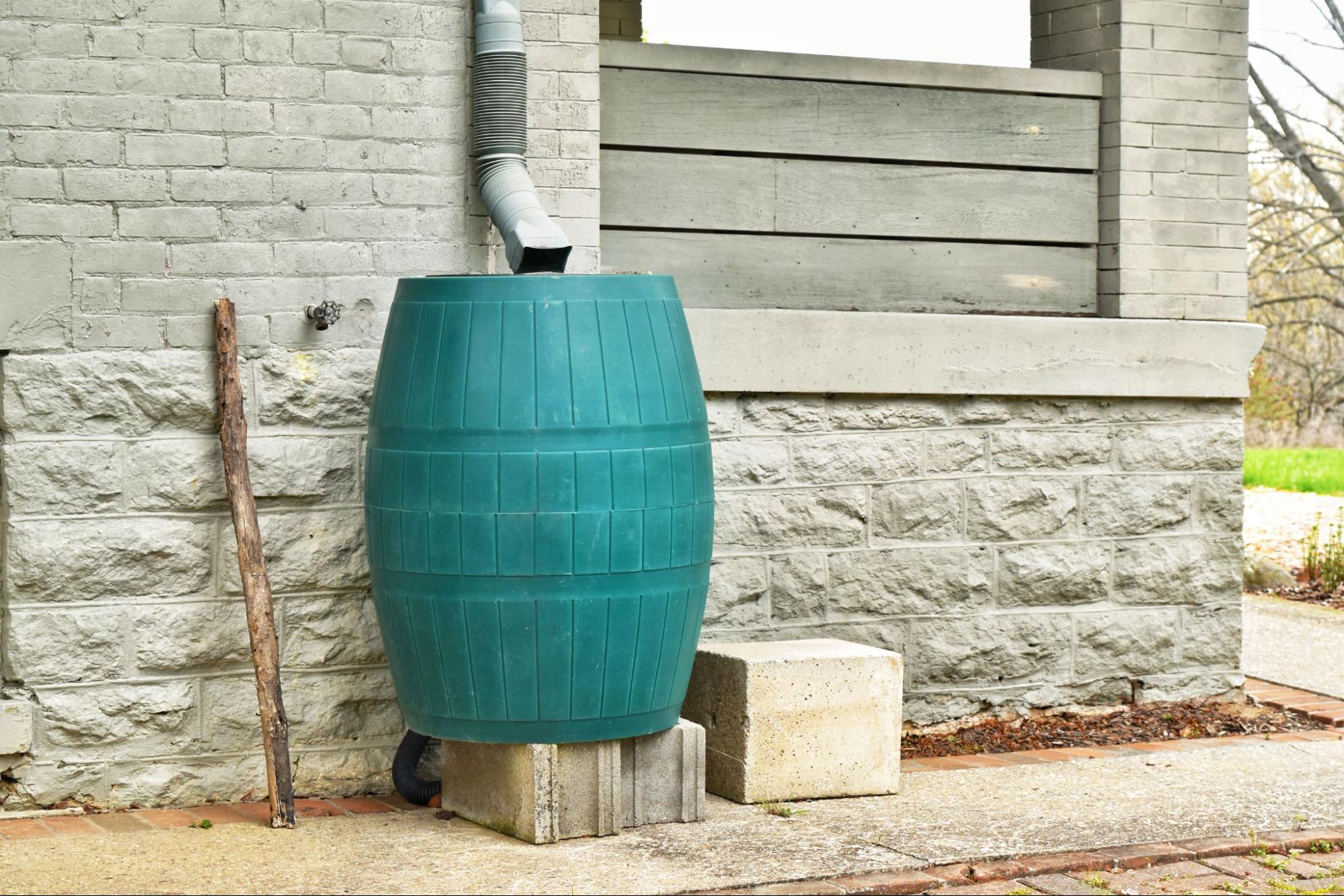
Rain collection barrels act as storage containers for water flowing from roof surfaces. This function allows homeowners to reuse water rather than rely fully on municipal systems. Most barrels connect directly to a downspout, which guides water into the container. The design differs from larger harvesting systems that require pumps or tanks. This approach keeps installation simple and manageable for most properties. Many barrels hold between 40 and 80 gallons, which is suitable for basic outdoor use.
Why Homeowners Choose Rain Barrels
Property owners choose rain collection barrels to reduce water costs and conserve resources. This choice supports efficient water use without requiring major changes to daily routines. Many regions encourage water-saving systems through rebates or local guidelines. This trend reflects growing awareness among homeowners of resource management. Rainwater also benefits plants because it lacks the treatment chemicals found in tap water. This benefit helps maintain healthier landscaping over time.
How Rain Barrels Work Step by Step
Rain collection barrels follow a simple process that captures, filters, and stores water. This process begins at the roof and ends with controlled water use. Each stage works together to maintain flow and cleanliness. The system operates without complex technology, which keeps it reliable.
How Roof Runoff Feeds the Barrel
Rainwater flows across the roof and enters the gutter system during rainfall. This movement directs water into downspouts attached to the home. The downspout channels water toward the rain collection barrel opening. This setup uses gravity to move water without mechanical support. Roof material affects how clean and fast water flows into the system. Smooth surfaces help improve collection efficiency and reduce debris buildup.
How Filtration Keeps Water Clean
Rainwater often carries leaves, dirt, and small debris into the system. This filtration stage uses mesh screens or guards to block unwanted materials. Many systems include a first-flush diverter that removes the initial runoff. This feature improves water quality by discarding the dirtiest portion of the water. Clean water reduces odors and prevents clogging inside the barrel. Regular filter checks help maintain consistent performance over time.
How Stored Water Gets Used
Collected water remains inside the barrel until needed for outdoor tasks. This storage method uses sealed lids to prevent contaminants from entering the system. A spigot near the base allows easy access to the stored water. This outlet connects to hoses or containers for direct use. Overflow valves redirect excess water away from the structure. This control helps protect the foundation during heavy rainfall.
Connect Gutters to Rain Barrels Properly
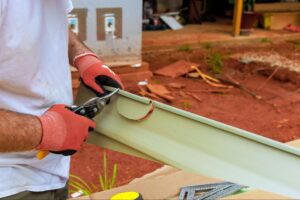
Rain collection barrels rely on gutters to capture and direct water efficiently into storage. This connection determines how much water enters the system and how clean it remains over time. Gutters guide runoff from the roof into downspouts, which channel water directly into the barrel. Proper alignment improves flow and reduces leaks during heavy rainfall. Professionals adjust slope, secure connections, and install diverters to improve performance. Clean, well-maintained gutters also prevent debris from entering the system, helping maintain water quality.
Roof Material Effects on Rainwater Quality
The type of roof on a property directly affects the quality of the rainwater collected. Different materials release varying levels of particles and residues. Property owners often overlook this factor when installing rain collection barrels. Understanding these differences helps improve water quality and system performance.
Compare Roofing Materials and Water Output
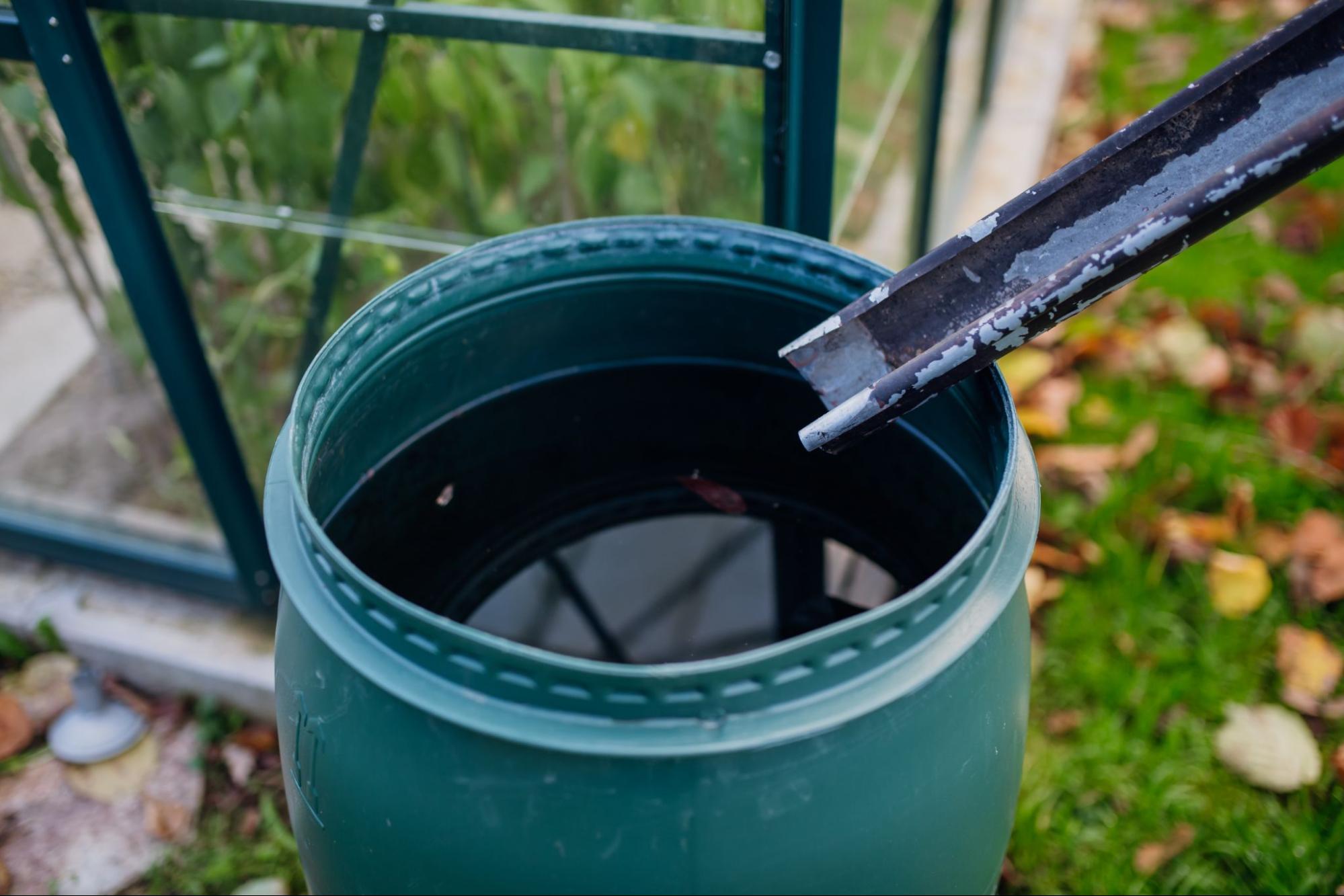
Asphalt shingles may release small granules into collected water over time. This material can affect clarity and introduce minor contaminants. Metal roofs often produce cleaner runoff because their surfaces are smoother. Clay or tile roofs may carry dust but release fewer chemical residues. Property owners should consider these factors when evaluating water use. Cleaner runoff supports better system efficiency and safer applications.
Minimize Contamination from Roof Surfaces
Simple steps can reduce contamination from roofing materials. This method includes installing filters and using first-flush diverters. Regular roof cleaning also helps prevent debris from entering the system. Property owners should inspect roofing materials for wear or damage. This check helps prevent unwanted particles from entering stored water. Cleaner input leads to better overall water quality.
Parts of a Rain Barrel System
Rain collection barrels rely on a few key components to function properly. This system includes the container, connections, and control features. Each part supports water flow, storage, and usability. A complete setup improves performance and extends system lifespan.
Barrel Materials and Design Features
Rain barrels come in plastic, wood, and metal designs for residential use. This material choice affects durability, cost, and resistance to weather conditions. Plastic barrels remain common because they resist corrosion and require less maintenance. Many models include UV protection to handle sun exposure over time. Size also determines how much water the barrel can store. This factor helps property owners match capacity with their outdoor needs.
Downspouts and Water Diverters
Downspouts carry water from the roof directly into the barrel system. This connection uses a diverter to control how water enters the container. The diverter prevents overflow by redirecting excess water when the barrel fills. This feature keeps water moving efficiently during heavy rainfall. Proper alignment improves water capture and reduces leaks. Secure installation supports steady system performance.
Spigots, Lids, and Overflow Control
Spigots allow controlled release of stored rainwater for daily use. This component sits near the base for easy access and connection. Lids protect the barrel from debris, insects, and contamination. Many lids include screens to keep mosquitoes out of the water. Overflow outlets handle excess water during intense storms. This design helps maintain safety and prevents structural damage in the area.
Benefits of Rain Collection Barrels
Rain collection barrels provide practical and environmental advantages for property owners. This solution reduces dependence on municipal water for outdoor use. It also supports better water management across the property. Long-term use brings both cost savings and sustainability benefits.
Lower Water Bills and Cost Savings
Rain collection barrels reduce the need for treated water during outdoor tasks. This reduction leads to lower utility bills over time. Watering lawns and gardens often accounts for a large share of seasonal costs. This system provides a free alternative during rainy periods. Even moderate rainfall can supply enough water for routine use. Consistent use increases overall savings throughout the year.
Healthier Landscaping With Rainwater
Rainwater supports plant growth because it lacks added chemicals found in treated water. This quality allows soil to absorb moisture more naturally. Plants often respond with stronger growth and improved resilience. This advantage helps maintain healthy lawns and gardens. Rainwater also reduces chemical buildup in the soil over time. This benefit supports long-term landscaping health.
Reduced Runoff and Property Protection
Rain collection barrels help control excess water around the property. This system captures runoff before it causes pooling or erosion. Redirected water reduces stress on drainage systems and walkways. This approach helps protect foundations from water-related damage. Managing runoff also improves overall yard conditions during storms. This result lowers maintenance needs over time.
Added Value to Residential Properties
Sustainable features increase interest among environmentally aware buyers. This addition shows a practical approach to resource management. Properties with water-saving systems often stand out in competitive markets. This feature appeals to buyers who want lower ongoing expenses. Rain collection systems also signal responsible property ownership. This perception can support stronger resale potential.
Rainwater Safety and Use Guidelines
Rainwater from collection barrels may look clean, but it still requires careful handling. This water often contains contaminants from roofing materials and airborne particles. Property owners must understand safe uses to avoid health risks. Clear guidelines help determine where and how collected water fits into daily use.
Know Safe Uses for Collected Rainwater
Rainwater works best for non-potable uses such as irrigation and outdoor cleaning. This limitation exists because untreated rainwater may contain bacteria or pollutants. Many local codes restrict indoor use unless advanced filtration systems are installed. Property owners should avoid using collected water for drinking or cooking. This precaution helps prevent potential health issues. Clear use boundaries keep the system both safe and effective.
Understand Local Rules and Compliance
Local regulations may affect how rain collection barrels can be used. This rule varies depending on region, climate, and water policies. Some areas encourage collection, while others set limits on storage capacity. Property owners should review municipal guidelines before installation. This step helps avoid fines or required system changes. Staying informed keeps the system compliant and problem-free.
How to Install and Maintain Rain Barrels
Proper installation and maintenance keep rain collection barrels working efficiently. This setup requires careful placement and secure connections. Regular upkeep prevents common issues and extends system life. A consistent routine keeps the system reliable throughout the year.
Choose the Best Placement and Setup
Rain barrels work best when placed directly beneath a downspout outlet. This location allows water to flow into the container easily. Elevating the barrel improves water pressure for dispensing. A stable base prevents tipping and uneven weight distribution. Shaded areas reduce algae growth caused by sunlight exposure. This placement improves both usability and long-term performance.
Perform Routine Cleaning and Care
Routine maintenance keeps the system free from debris and blockages. This cleaning process includes checking filters and removing buildup. Draining the barrel before freezing weather prevents cracking. Inspecting connections helps identify leaks early. Limiting sunlight exposure reduces algae growth inside the barrel. This care routine extends the lifespan of the entire system.
Expand and Upgrade Your System
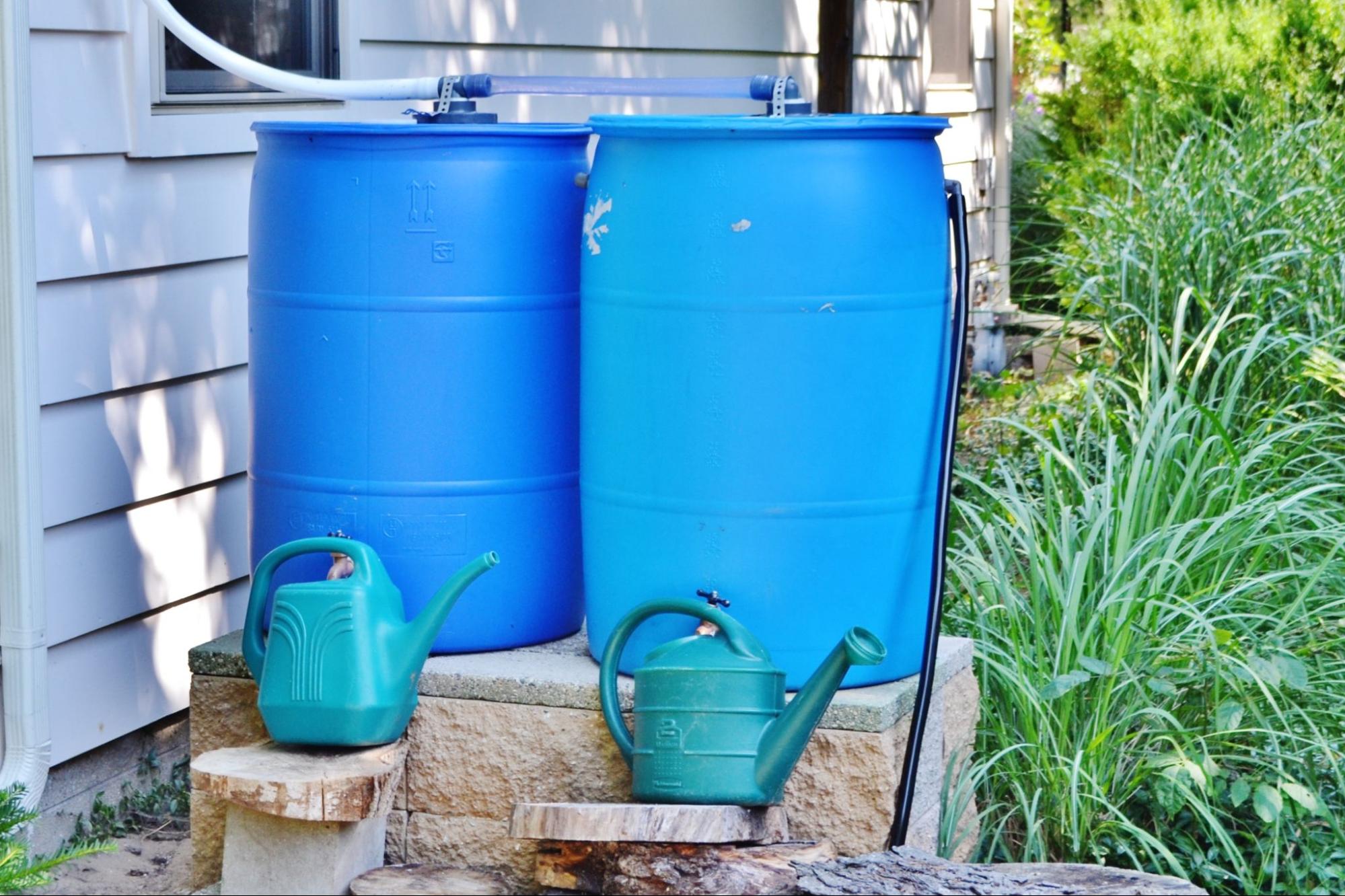
Some property owners expand their system to increase water storage. This upgrade connects multiple barrels to collect more runoff. Additional capacity supports larger landscaping needs. This approach allows better use of frequent rainfall. Linking barrels creates a more balanced and efficient system. This expansion improves overall water management across the property.
Reduce Water Waste With Rain Barrels
Rain collection barrels give property owners a direct way to reduce unnecessary water loss. This approach captures runoff that would otherwise drain away unused. Small changes in water collection can lead to steady savings and improved efficiency. Working with gutter professionals also improves system performance by optimizing flow and preventing issues. Installing a system now supports smarter water use while lowering long-term costs.
Visit the Quality Rain Gutters, Inc. blog for clear insights on rain collection barrels and smarter outdoor water use.