Property owners often look for practical ways to reduce outdoor water use. Rising utility costs make every landscaping decision more important than before. Many homes also face periods of heavy rain followed by dry conditions. Capturing rainfall offers a simple way to make better use of a natural resource. Small changes in water management can create lasting benefits for both properties and budgets.
What Are Rainwater Barrels?
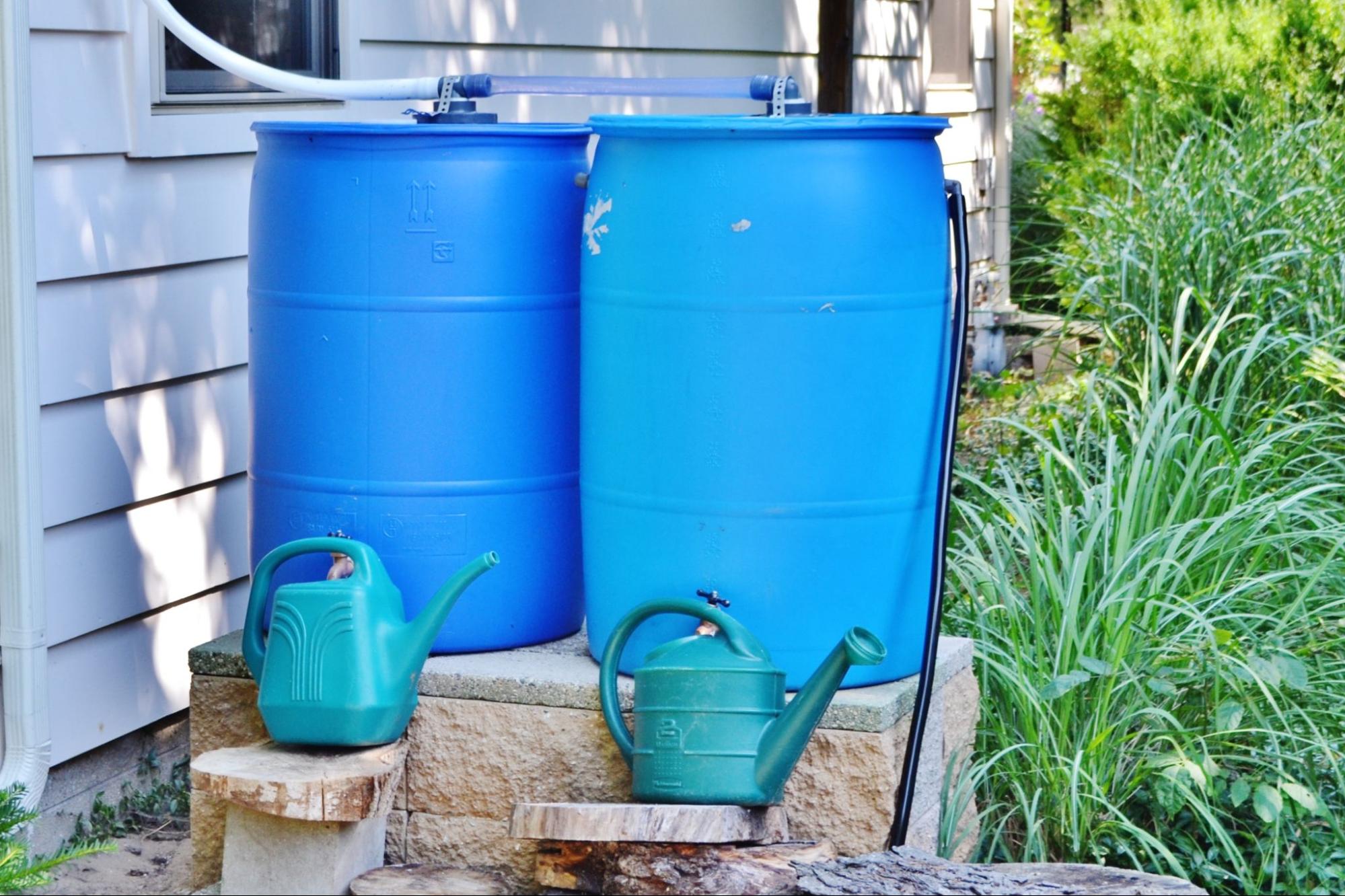
Rainwater barrels collect and store runoff from rooftops during storms. Most systems connect directly to a home’s gutter and downspout network. Property owners use the stored water for landscaping, gardening, and other outdoor tasks. These containers help reduce water waste while providing an additional source for irrigation. They also help manage stormwater runoff that might otherwise pool around the property. Many owners install them as a simple way to lower outdoor water consumption while making better use of natural rainfall.
When Rainwater Storage Becomes a Smart Choice
Many property owners focus on water use only after costs begin rising. Small property issues often reveal opportunities to make better use of natural rainfall. Runoff, dry landscapes, and increasing irrigation demands can all point to the same solution. The following signs can help determine when a rainwater collection system deserves serious consideration.
Frequent Watering Raises Utility Costs
Outdoor irrigation often accounts for a large share of household water use. Rain collection systems can reduce dependence on treated municipal water. Several warning signs indicate when stored rainfall could help lower expenses.
Your Lawn Requires Constant Irrigation
A lawn that needs frequent watering can place pressure on your monthly budget. Grass often requires supplemental moisture during extended dry periods. Municipal water becomes expensive when irrigation schedules increase. Collected rain provides an alternative source for routine landscape care. Property owners can direct stored water toward lawns without increasing utility consumption. This approach supports healthier turf while reducing overall outdoor water costs.
Garden Maintenance Consumes More Water
Flower beds and vegetable gardens often require regular watering throughout the growing season. Plants may struggle when the soil dries too quickly between rain events. Stored rainfall provides a practical means of maintaining consistent moisture levels. Many gardeners prefer natural rainwater because it lacks common treatment additives. Watering with collected precipitation can support healthy plant growth. This solution also reduces reliance on outdoor faucets during peak demand periods.
Outdoor Water Bills Keep Increasing
Many property owners notice seasonal spikes in utility expenses each year. Outdoor irrigation often contributes heavily to those higher monthly charges. A rising water bill may indicate excessive dependence on treated water supplies. Rain collection systems provide an alternative source for common outdoor tasks. Stored rainfall can reduce the amount of municipal water needed for irrigation. This option helps property owners manage costs while maintaining attractive landscapes.
Water Runoff Creates Property Issues
Excess runoff often signals that valuable water leaves the site unused. Capturing rainfall helps redirect water toward productive purposes. Several property conditions suggest runoff management deserves closer attention.
Puddles Form After Every Rainstorm
Standing water often appears when rainfall exceeds the ground’s absorption capacity. Persistent puddles can damage lawns and create muddy areas. Excess water frequently flows away before the landscape can use it. Collection barrels intercept part of that runoff before it reaches the ground. This system reduces water waste while supporting future irrigation needs. Property owners gain greater control over how rainfall moves across the property.
Soil Erosion Appears Near Downspouts
Strong roof runoff can wear away soil around foundations and landscaping features. Erosion gradually removes valuable topsoil from planting areas. Bare spots often develop where concentrated water repeatedly strikes the ground. Rain capture systems reduce the volume of water exiting downspouts. Less runoff helps protect landscape investments from ongoing damage. Property owners can preserve soil quality while using collected rainwater.
Gutters Discharge Large Volumes of Water
Heavy rainfall can send substantial amounts of water through roof drainage systems. Downspouts often release that water in concentrated areas around the property. Much of this resource leaves the site without serving any useful purpose. Rain barrels capture part of that flow before it becomes runoff. Collected water remains available for landscaping and routine outdoor maintenance. This approach helps property owners make better use of every storm.
Drought Conditions Affect Landscaping
Dry weather places additional stress on lawns, trees, and garden beds. Water restrictions may also limit outdoor irrigation options. Property owners often need alternative water sources during these periods. Rain harvesting provides a reserve that remains available between storms.
Plants Show Signs of Water Stress
Wilting leaves and dry soil often indicate inadequate moisture levels. Many ornamental plants struggle during extended periods without rainfall. Stored water allows property owners to respond quickly when plants need attention. Consistent watering helps reduce stress on valuable landscape features. Rainwater reserves can support healthier growth during challenging weather conditions. This option becomes especially useful when natural rainfall remains limited.
Local Water Restrictions Occur Often
Seasonal restrictions can limit how frequently outdoor watering occurs. Property owners may find it difficult to maintain landscapes under these rules. Captured rainfall provides additional flexibility for routine irrigation tasks. Many regulations encourage responsible water conservation practices. Using stored precipitation aligns with those goals while supporting landscape care. This resource becomes valuable when access to municipal water is temporarily restricted.
Dry Seasons Last Longer Than Before
Extended dry periods can place considerable stress on outdoor spaces. Lawns and garden beds often require supplemental watering for longer durations. Property owners may struggle to maintain healthy landscapes during these conditions. Stored rainwater provides an additional source when natural rainfall becomes scarce. Access to collected water helps plants withstand challenging weather conditions. This reserve can reduce pressure on municipal water supplies during drought conditions.
Sustainable Property Upgrades Matter
Water conservation remains a growing priority for residential and commercial sites. Rain collection systems offer measurable environmental and financial advantages. Certain situations indicate the time may be right for this upgrade.
You Want Lower Resource Consumption
Reducing water use often starts with identifying avoidable waste. Roof runoff is a resource that is frequently unused. Collecting rainfall helps maximize water already reaching the property. Less dependence on treated water supports broader conservation efforts. Property owners can reduce demand on local water systems. This decision reflects a proactive approach to responsible resource management.
Environmental Goals Guide Property Decisions
Many owners prefer improvements that support sustainability objectives. Rain harvesting aligns with efforts to reduce environmental impact. Collected water can serve numerous landscaping and maintenance purposes. This practice promotes efficient use of naturally available resources. Small conservation measures often produce meaningful long-term results. Property owners can contribute to broader environmental efforts through everyday water management choices.
Landscape Expansion Increases Demand
Growing landscapes require more water than smaller outdoor spaces. New planting projects often increase irrigation requirements throughout the year. Additional demand can strain budgets and existing watering practices. Rainwater collection helps support expanding landscape needs.
New Garden Beds Need Regular Care
Freshly planted beds require consistent moisture while roots establish themselves. Water demands often increase during the first growing season. Stored rainfall provides a convenient source for ongoing maintenance. Property owners can support plant health without relying solely on municipal supplies. This approach helps control costs as landscaping projects grow. Collected water remains readily available when routine care becomes necessary.
Trees and Shrubs Require Supplemental Water
Young trees and shrubs benefit from regular watering during dry conditions. Larger landscapes often contain many plants with varying moisture needs. Rain barrels provide additional water for these valuable landscape elements. Property owners gain greater flexibility when managing irrigation schedules. Stored rainfall helps support healthy root development over time. This resource becomes increasingly useful as plantings mature and expand.
Which Properties Benefit Most from Rainwater Barrels?
Rainwater collection systems provide value across many different property types. The benefits often become more noticeable when outdoor water demand remains consistently high. Certain property features can also increase the amount of rainfall available for collection. Recognizing these characteristics can help determine whether a rain barrel system makes practical sense for your property. Properties with large roof surfaces often capture greater volumes of runoff during storms. Homes with extensive landscaping, gardens, or lawn areas typically see the greatest advantages from stored rainwater.
Common Questions About Rainwater Barrels
Many property owners have questions before installing a rainwater collection system. Understanding the basics can help determine whether this solution fits your property’s needs. Common concerns often involve storage capacity, maintenance requirements, and everyday use. The answers below address some of the most frequently asked questions about rainwater barrels.
How Do Rainwater Barrels Work?
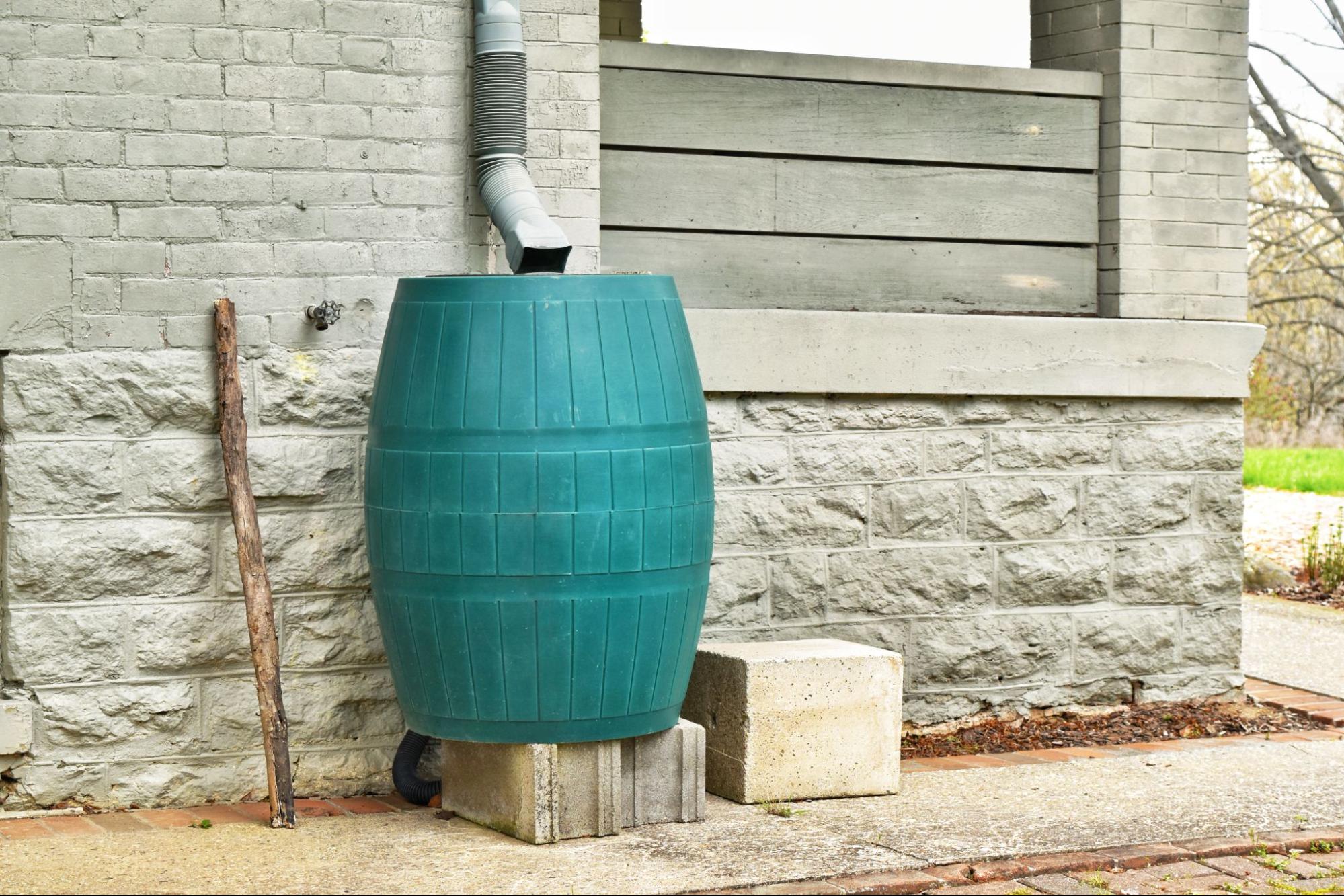
RainwaterRainwater barrels collect runoff from rooftops via connected gutters and downspouts. The water flows into a storage container instead of draining directly onto the ground. Most systems include a screened opening that helps keep out debris. Property owners can access the stored water through a spigot near the bottom of the barrel. This collected water can then be used for landscaping, gardening, and other outdoor purposes. The process requires minimal equipment and operates without complex mechanisms.
How Much Water Can Rainwater Barrels Store?
Storage capacity depends on the size and number of barrels installed. Many residential units hold between 50 and 100 gallons of water. Larger systems can store significantly more when multiple barrels are connected. Even a single rainfall event can fill a barrel surprisingly quickly. The amount collected also depends on roof size and rainfall levels. Additional storage capacity allows property owners to retain more water between storms.
Are Rainwater Barrels Difficult to Maintain?
Most rainwater barrels require only basic maintenance throughout the year. Property owners should periodically remove leaves, debris, and sediment from the system. Screens and filters should also remain clear to support proper water flow. Regular inspections help identify leaks or blockages before they become larger issues. Many systems require little effort once properly installed. Simple upkeep helps keep collected water available when it is needed most.
Install Rainwater Barrels Before Costs Rise
Every storm sends valuable water across your property, yet much of it often goes unused. Rainwater barrels offer a practical way to capture that resource before it becomes runoff. Property owners who act sooner can reduce water waste, support healthier landscapes, and gain greater control over outdoor water use. A simple collection system today can deliver benefits every time the next rainfall arrives.
The right information can help you get more value from every improvement project. Browse the Quality Rain Gutters, Inc. blog for professional advice on gutters, rainwater collection, and long-term property care.