Rainwater can cause expensive property damage when gutters fail to direct it away from a home. Overflowing gutters can damage siding, weaken foundations, and leave unsightly stains along exterior walls. Many homeowners discover these problems only after water starts collecting around their property. A professional gutter company offers practical solutions that address drainage problems before they become costly repairs. Understanding these services helps homeowners protect their investment and make informed decisions about gutter improvements.
Understanding Seamless Gutter Services
A seamless gutter company specializes in drainage systems that fit each property’s roofline. Unlike traditional sectional gutters, seamless systems use continuous material with fewer joints along straight runs. These systems help reduce potential leak points while creating a cleaner exterior appearance. Professional contractors handle everything from initial measurements to installation and ongoing gutter maintenance.
How Seamless Gutters Differ From Standard Gutters
Traditional gutters consist of shorter sections connected with joints and sealants. Over time, these connections may separate, leak, or collect debris that restricts water movement. Seamless gutters eliminate most intermediate joints because contractors form them in continuous lengths. Corners, downspouts, and end caps still require connections and proper sealing. However, fewer joints generally mean fewer areas to address during routine maintenance. Homeowners also appreciate the smooth appearance that complements different roofing materials and architectural styles.
What Professional Gutter Contractors Provide
Gutter specialists offer more than equipment and installation labor. They evaluate roof dimensions, drainage requirements, and existing conditions before recommending suitable products. Their services may include gutter replacement, repairs, downspout installation, and protective accessories. Some contractors also provide cleaning services and inspections for aging drainage systems. Experienced installers understand how gutter placement affects water movement during heavy rainfall. Their recommendations help homeowners choose systems that match their property’s needs and maintenance expectations.
What a Seamless Gutter Company Can Provide
A seamless gutter company offers specialized services that improve drainage and protect homes from water damage. Its work extends beyond installation to include custom solutions, repairs, and preventive maintenance. Professional contractors assess each property’s needs before recommending suitable gutter systems and materials. Understanding their range of services helps homeowners make informed decisions about protecting their property.
Custom Gutter Designs and Material Choices
Every roof has different dimensions, slopes, and drainage requirements that influence gutter performance. Professional companies account for these differences when designing a seamless gutter system. They also offer material options that vary in appearance, durability, maintenance needs, and cost. Understanding these options helps homeowners select gutters that suit their property and budget.
Accurate Measurements and Custom Fabrication
Professional installers begin by measuring the roof edges where gutters will collect rainwater. They identify corners, downspout locations, and areas that may receive concentrated runoff. Contractors typically use specialized roll-forming equipment to produce gutters in the required lengths. Many companies bring this equipment directly to the property for convenient fabrication. Custom sizing reduces unnecessary connections and helps installers achieve a more precise fit. Accurate measurements also limit material waste and reduce the need for on-site adjustments.
Aluminum, Steel, and Copper Gutter Choices
Aluminum remains a popular seamless gutter material because it resists rust and weighs relatively little. It also comes in numerous colors that complement siding, trim, and roofing. Steel offers added strength but needs protective coatings to resist corrosion. Copper offers a distinctive appearance and develops a natural patina as it ages. However, copper usually costs more than aluminum and requires experienced installers. Contractors explain these differences so homeowners can balance appearance, performance, and long-term expenses.
Selecting the Right Gutter Size and Profile
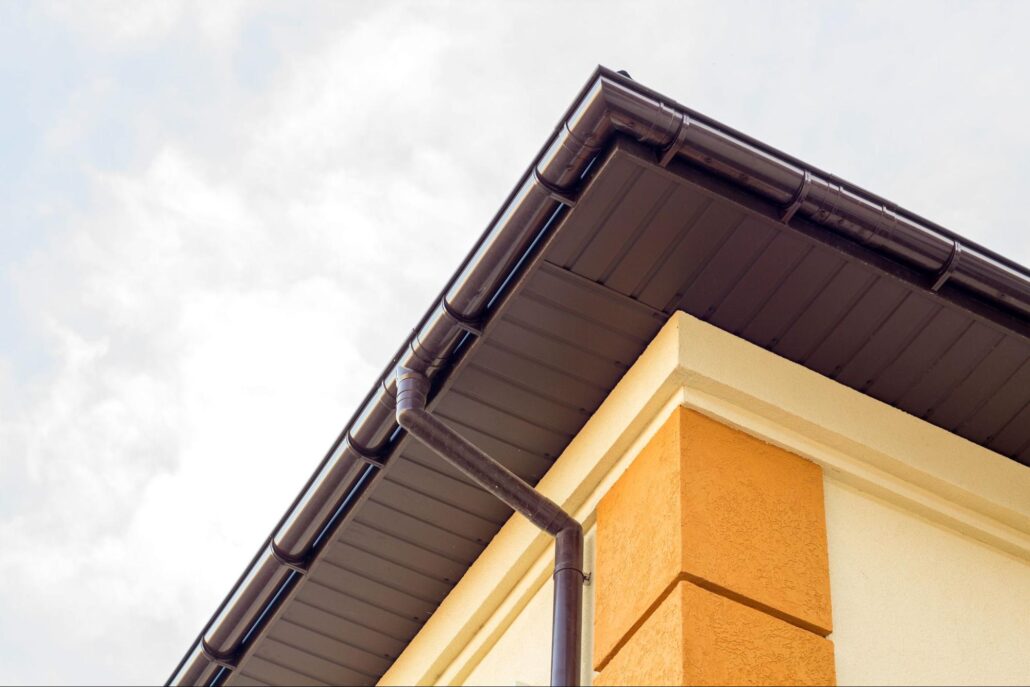
Gutter size affects how much rainwater a drainage system can carry. Many residential properties use five-inch or six-inch gutters, depending on roof characteristics. Larger roofs and areas with concentrated runoff may benefit from greater capacity. Contractors also consider gutter profiles, including popular K-style and half-round designs. Each profile offers different appearance, capacity, and installation considerations. A proper recommendation accounts for roof area, rainfall intensity, downspout capacity, and available mounting space.
Professional Installation for Reliable Drainage
Even high-quality gutters can perform poorly when installers overlook important details. Correct positioning, secure attachments, and suitable drainage outlets determine how effectively a system works. Professional installation addresses these requirements while reducing avoidable problems during heavy rain. Experienced contractors follow a structured process that supports reliable performance and a finished appearance.
Preparing the Roofline Before Installation
Installers inspect the fascia boards and roof edges before attaching new gutters. Damaged or rotting fascia may require repairs before it can support mounting hardware. Contractors also check existing gutters for drainage problems that might affect replacement decisions. They identify suitable downspout locations and examine where discharged water will travel. Preparation helps prevent contractors from attaching new materials to unstable surfaces. It also allows homeowners to address hidden deterioration before installation begins.
Securing Gutters With Proper Slope and Support
Gutters need a slight downward slope toward their outlets to move water effectively. Installers establish this slope while maintaining a consistent appearance along the roofline. They position hangers at appropriate intervals based on material, climate, and manufacturer recommendations. Proper support helps gutters withstand the weight of water, seasonal weather, and accumulated debris. Contractors also seal necessary connections and check that end caps fit securely. Careful installation reduces sagging, standing water, and premature wear around mounting points.
Connecting Downspouts and Managing Runoff
Downspouts carry collected rainwater from the gutters toward designated drainage areas. Contractors determine how many outlets a system needs based on expected water volume. They position downspouts to limit overflow and keep water away from vulnerable areas. Extensions or underground drainage connections may help move discharge farther from the foundation. However, underground drainage work may require additional services depending on the contractor’s capabilities. Properly planned outlets reduce pooling near walkways, landscaping, and exterior walls.
Gutter Replacement and Repair Solutions
Existing gutters do not always need complete replacement when problems develop. Some drainage issues result from loose hardware, damaged sections, or poorly positioned outlets. Professional contractors inspect these conditions before recommending repairs or a new system. Their assessment helps homeowners avoid unnecessary spending while addressing problems that threaten the property.
Identifying When Gutters Need Replacement
Frequent leaks, severe corrosion, and repeated sagging can indicate that gutters are deteriorating. Cracks or separation around several connections may also suggest widespread wear. Contractors examine the material’s condition and the stability of mounting surfaces. They consider the system’s age, repair history, and drainage performance. Replacement may offer better value when multiple sections need extensive work. A thorough inspection gives homeowners a clearer picture of their options.
Repairing Leaks, Sagging, and Loose Attachments
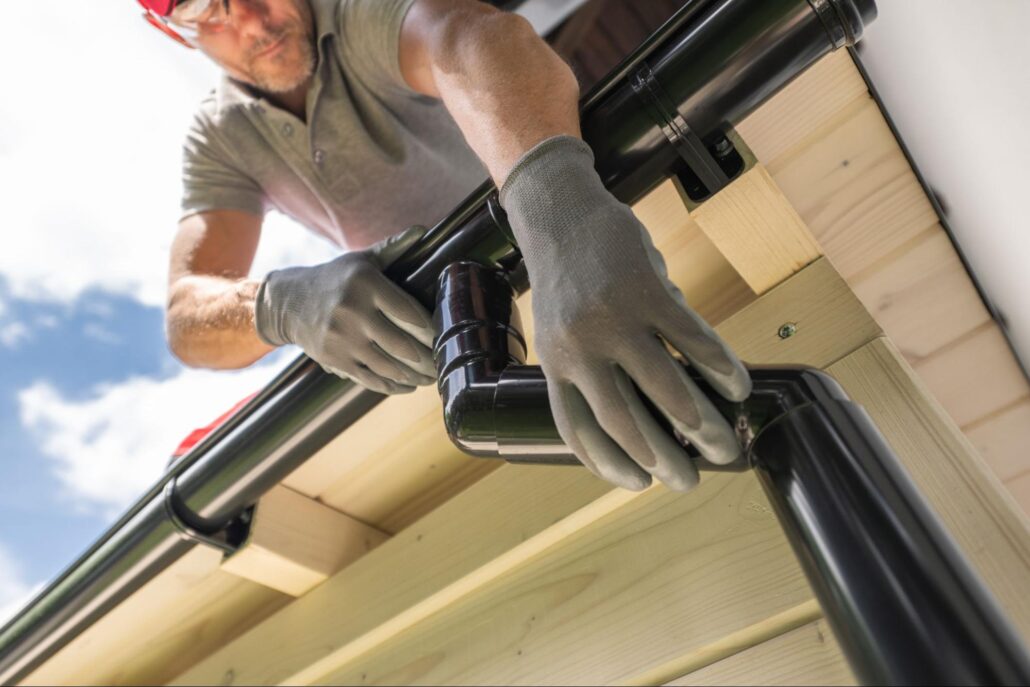
Minor gutter problems may respond well to targeted repairs rather than complete replacement. Contractors can reseal leaking connections, replace damaged hangers, or adjust improperly sloped sections. They may also secure loose downspouts and correct minor alignment problems. The right repair depends on the gutter material and how severe the deterioration is. Some damage requires replacing a longer seamless section rather than patching a small area. Professional evaluations help determine which repairs offer dependable results without creating recurring maintenance problems.
Gutter Guards and Debris Protection Options
Leaves, twigs, and roof debris can disrupt gutter drainage year-round. Blockages may cause water to overflow even when the gutter system remains structurally sound. Many seamless gutter companies offer protective products that reduce debris entering gutters. These accessories can simplify maintenance, though they cannot eliminate all cleaning needs.
Different Types of Gutter Guard Systems
Gutter guards come in several designs that handle debris differently. Mesh guards use small openings to restrict leaves and other unwanted material. Screen systems generally have larger openings and may allow smaller debris through. Surface-tension designs guide water into gutters while encouraging some debris to fall away. Contractors recommend products based on nearby trees, roof conditions, and maintenance preferences. They also consider how each guard attaches and whether it interferes with roofing materials.
Professional Gutter Guard Installation
Gutter protection works best when installers match the product to the existing system. Contractors check gutter dimensions and attachment conditions before selecting compatible guards. They secure the protective material according to the manufacturer’s installation requirements. Proper placement helps prevent gaps that let larger debris in. Installers may also explain how homeowners should inspect and maintain their new guards. Professional installation reduces the risk of loose panels or poorly fitted accessories.
Cleaning Requirements With Gutter Protection
Gutter guards reduce debris buildup but don’t make gutters completely maintenance-free. Fine particles, roof grit, and small organic materials may still collect inside. Leaves can also build up on protective screens and restrict water entry. Contractors may recommend periodic inspections to identify buildup before drainage problems develop. Maintenance frequency depends on surrounding vegetation, weather conditions, and the guard design. Homeowners should follow manufacturer recommendations to maintain performance and keep their warranty coverage intact.
Routine Gutter Cleaning and Maintenance Services
Routine maintenance helps homeowners detect drainage problems before they cause noticeable damage. Even seamless systems can collect debris or develop loose attachments over time. Some gutter companies offer scheduled cleaning and inspection services alongside installation. These visits help maintain water flow and identify issues that need professional attention.
Removing Debris and Clearing Downspouts
Professional gutter cleaning removes accumulated leaves, sediment, and other materials that obstruct drainage. Contractors clear gutter channels and check downspouts for blockages. They may use appropriate tools and controlled water flow to confirm drainage. Cleaning also reveals hidden areas where corrosion or physical damage may be developing. Contractors can identify recurring debris problems and suggest practical ways to reduce them. Regular service is especially helpful for properties surrounded by mature trees.
Inspecting Gutters After Severe Weather
Heavy storms can loosen attachments, bend gutter sections, or displace downspouts. Windblown debris may also create blockages that prevent rainwater from draining properly. Contractors inspect vulnerable areas for movement, damage, and signs of water overflow. They check that gutters remain securely attached and maintain suitable drainage slopes. Prompt attention keeps minor storm damage from becoming a bigger problem. Homeowners can also request inspections if they notice unusual dripping or water accumulation.
Drainage Solutions for Property Protection
Gutter performance affects more than the immediate roof edge. Poor drainage can expose foundations, siding, landscaping, and walkways to excessive moisture. Professional gutter companies evaluate how collected rainwater moves around the property. Their recommendations help homeowners address water-related risks beyond the gutter itself.
Reducing Water Accumulation Near Foundations
Rainwater that repeatedly collects near foundations can contribute to moisture problems. Saturated soil may increase pressure against foundation walls and encourage water intrusion. Gutters collect roof runoff before it falls directly beside the building. Downspout extensions then direct that water toward more suitable discharge locations. Contractors consider nearby slopes and drainage patterns when recommending outlet placement. However, properties with persistent groundwater problems may also need specialized drainage solutions.
Preventing Damage to Siding and Landscaping
Overflowing gutters can leave stains and moisture marks along exterior walls. Repeated water exposure can also accelerate deterioration around vulnerable trim and siding. Concentrated runoff can wash away mulch, disturb planting beds, and erode exposed soil. Properly positioned gutters and downspouts help distribute rainwater more effectively. Contractors may recommend extensions or splash blocks where concentrated discharge creates problems. These adjustments help preserve exterior finishes and reduce unnecessary landscape repairs.
Clear Estimates, Warranties, and Customer Support
Choosing a gutter contractor involves more than comparing installation prices. Homeowners also benefit from understanding service details, product coverage, and communication practices. Reputable companies explain their recommendations and outline what each estimate includes. Clear expectations make it easier to compare proposals and avoid unexpected expenses.
Understanding a Professional Gutter Estimate
A detailed estimate should identify materials, gutter dimensions, and the proposed scope of work. It should also explain downspout placement and any necessary removal work. Contractors may list gutter guards, fascia repairs, and drainage extensions as separate charges. Homeowners should ask about disposal fees and possible costs for hidden damage. Comparing written estimates helps distinguish basic installation from more comprehensive service packages. Clear pricing also reduces misunderstandings once work begins.
Reviewing Workmanship and Product Warranties
Gutter companies may offer work warranties alongside manufacturer coverage for their products. Craftsmanship coverage generally addresses qualifying installation problems within a stated period. Manufacturer warranties typically concern specified material defects under particular conditions. Coverage lengths, exclusions, and maintenance obligations vary by company and product. Homeowners should request written warranty details before approving an installation. Understanding these terms makes future service requests easier and prevents unrealistic expectations.
Evaluating Contractor Experience and Reliability
Experienced gutter contractors should clearly explain their installation methods and recommended materials. Homeowners can review customer feedback and request examples of completed projects. Also review proof of appropriate insurance and any required licensing. Contractors should provide written agreements that describe scheduling, materials, and payment terms. Reliable communication matters when questions arise before or after installation. A professional company should also explain how it handles service concerns and warranty requests.
Choose a Seamless Gutter Company You Can Trust
Water damage often begins with small drainage problems that homeowners overlook until repairs become costly. A reliable seamless gutter company can help address these concerns before they threaten your property. Experienced professionals offer practical recommendations based on your home’s condition, not unnecessary upgrades. Schedule an assessment with a trusted contractor and invest in drainage protection that delivers lasting value.
Learn more about gutter care, installation, and maintenance. Visit the Quality Rain Gutters, Inc. blog for practical tips and helpful homeowner advice.