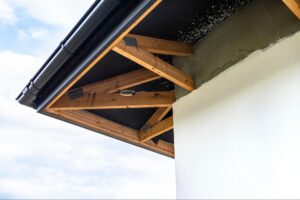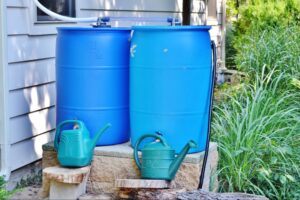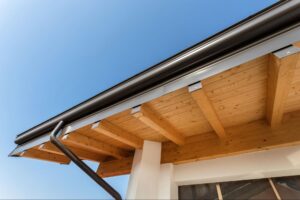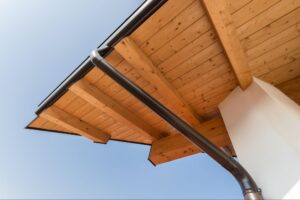
Heavy rain often reveals drainage problems homeowners never noticed before. Water spills near foundations, stains siding, and damages landscaping after strong storms. Installing reliable rain gutters helps control runoff before those issues spread further. Well-planned drainage systems also protect roofs, exterior surfaces, and surrounding property areas. Homes and businesses both benefit from gutter systems designed for long-term performance and steady water flow.
Why Rain Gutters Matter
Rain gutters help control water before it can damage important outdoor property. Without proper drainage, rainwater often reaches foundations, siding, and landscaping too quickly. Reliable gutter systems support cleaner exteriors, safer walkways, and longer-lasting structural protection during every season.
Roof Drainage Prevents Water Damage
Roof drainage protects structures from serious moisture problems during heavy rainfall. Overflowing gutters repeatedly soak fascia boards and roof edges. Constant moisture weakens wood and quickly damages painted surfaces around buildings. Water may also reach insulation and interior ceiling materials after storms. Professional gutter systems significantly reduce leaks and structural wear.
Gutters Protect Building Foundations
Foundations weaken when rainwater collects too often beside exterior walls. Saturated soil shifts, creating pressure against concrete surfaces over time. Cracks may develop after months of uncontrolled water exposure around properties—downspouts safely direct runoff away from foundations and nearby walkways. Proper drainage helps maintain stable ground around homes and businesses year-round.
Exterior Surfaces Stay Cleaner Longer
Exterior surfaces stay cleaner when gutters control roof runoff properly outdoors. Water stains siding, erodes mulch, and damages landscaping when drainage is unreliable. Businesses also face slippery walkways and unsafe entrances during heavy rainfall conditions. Modern gutter systems protect walls, gardens, and paved areas more effectively. Controlled drainage improves curb appeal and significantly lowers maintenance demands.
Choosing Gutter Materials
Gutter materials greatly affect durability, appearance, and long-term maintenance requirements. Property owners should compare materials before starting installation projects around buildings. Strong materials support better drainage and longer-lasting exterior protection during storms.
Aluminum Gutters
Aluminum gutters remain popular for many residential drainage systems nationwide. This material resists rust and handles changing weather conditions very well. Contractors install aluminum systems quickly because sections stay lightweight during handling. Many homeowners also prefer aluminum because its colors easily match exterior designs. Proper maintenance helps aluminum gutters last many years without major repairs.
Copper Gutters
Copper gutters provide durable drainage and a distinctive exterior appearance for properties. This material develops a natural finish after years of exposure to outdoor weather. Many businesses choose copper because maintenance needs remain relatively low afterward. Professional installers shape copper carefully during custom installation projects around buildings. Long-lasting copper systems often offset higher installation costs over several decades.
Vinyl Gutters
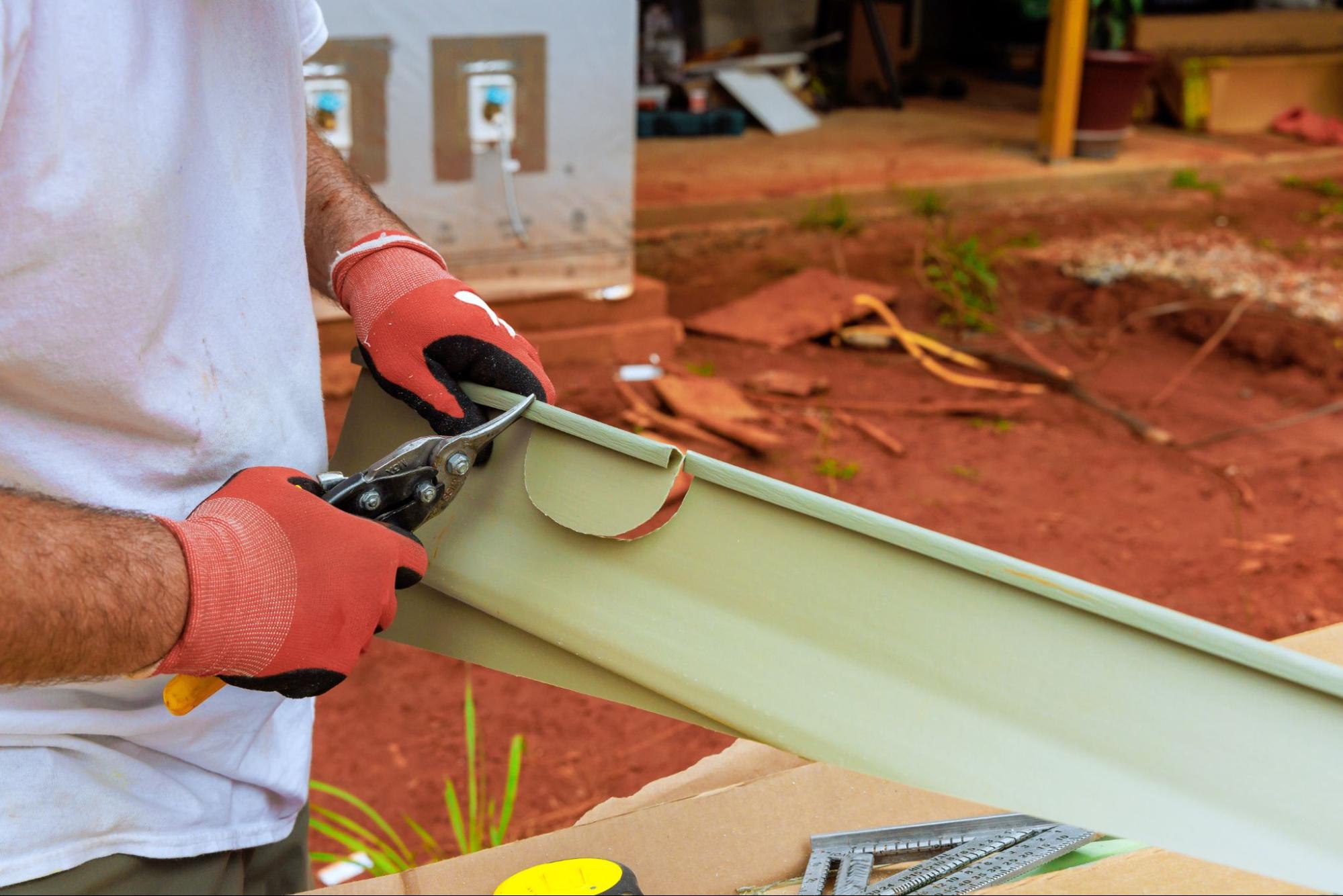
Vinyl gutters are a budget-friendly option for residential property improvement projects today. This material resists rust and requires minimal surface maintenance after installation. Many homeowners choose vinyl because sections connect easily with simple snap systems. Severe weather may cause vinyl materials to crack over time due to exposure to the elements. Smaller homes often benefit most from affordable vinyl drainage system installations.
 How to Plan for Gutter Installation
Careful planning improves gutter performance and effectively prevents future drainage problems. Contractors review roof size, slope, and rainfall exposure before installation begins. Proper planning also helps property owners avoid unnecessary repair costs later.
Measure Gutters for Better Flow
Accurate measurements support steady roof drainage during strong storms and heavy rainfall. Incorrect gutter sizing often causes overflow near foundations and outdoor walkways. Contractors carefully calculate slope angles before permanently attaching gutter sections today. Proper pitch guides water smoothly toward downspouts consistently during severe weather. Larger roofs often require additional drainage points to ensure balanced water movement.
Position Downspouts for Drainage
Downspouts safely carry roof runoff away from foundations and landscaping. Poor placement often creates puddles near entrances and paved walkways afterward. Contractors position downspouts carefully today to ensure balanced drainage around entire properties. Commercial gutters usually require larger downspouts because roofs collect more rainwater. Proper drainage direction significantly reduces erosion and improves exterior safety during storms.
Match Gutters to Local Climate
Local climate conditions influence gutter design and material selection greatly today. Heavy rainfall requires larger drainage systems with greater overall water capacity. Snow accumulation also affects mounting strength during the colder winter months. Homes near trees often benefit from gutter guards and debris protection systems. Climate-focused planning supports stronger drainage performance throughout changing seasonal weather conditions.
Why Poor Gutter Slope Causes Damage
Gutter slope controls how rainwater moves through drainage channels during storms. Small slope mistakes often result in standing water in gutter systems afterward. Poor water movement weakens gutters and increases long-term structural drainage problems.
Standing Water Adds Hidden Weight
Standing water exerts constant pressure on gutter fasteners and roof edges. Heavy water buildup slowly pulls gutters away from the fascia boards. Sagging sections often appear after months of repeated exposure to rainfall. Many homeowners mistake this issue for weak materials instead of poor slope design. Proper gutter pitch helps water drain quickly before structural strain develops.
Incorrect Pitch Causes Overflow Problems
An incorrect gutter pitch prevents smooth water flow toward the downspouts during outdoor storms. Water spills over the edges even when gutters are free of debris buildup. Overflow often repeatedly damages siding, foundations, and nearby landscaping. Businesses also face slippery walkways and unsafe entrances after heavy rainfall conditions. Professional installers carefully calculate the slope to ensure balanced drainage performance.
Small Errors Create Bigger Repairs
Minor slope errors often lead to unexpected, expensive outdoor drainage repairs years later. Water trapped in gutters increases rust and gradually weakens connection points. Moisture also attracts insects and repeatedly encourages mold near the roofline. Property owners sometimes replace entire systems without first correcting poor alignment issues. Accurate installation helps gutters last longer and perform better during severe weather.
Benefits of Professional Gutter Installation
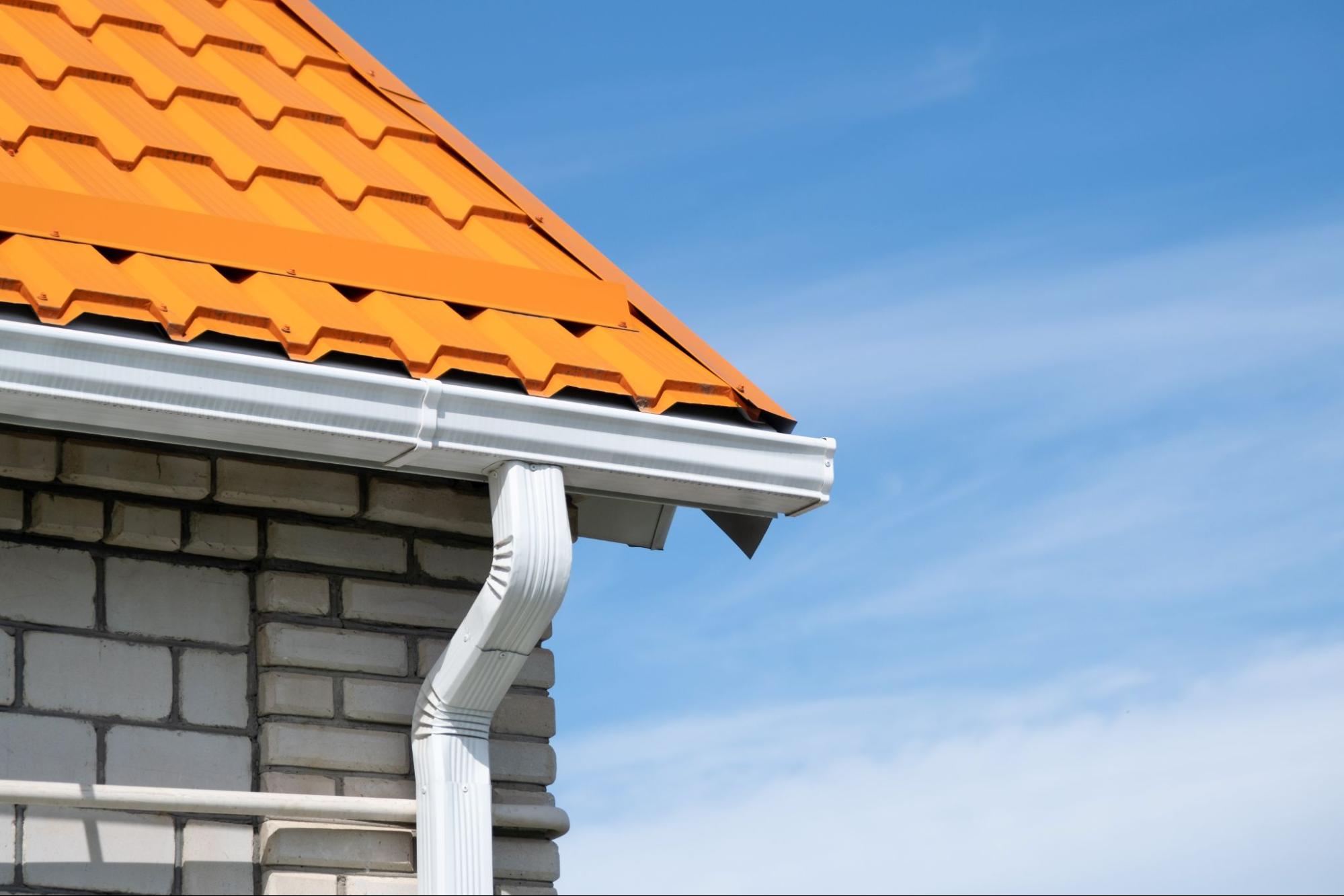
Professional gutter installation improves drainage performance and considerably reduces future maintenance concerns. Experienced gutter contractors follow precise measurements on every professionally completed installation project. Skilled artistry also supports longer-lasting performance of gutter systems across residential and commercial properties.
Prevents Sagging With Strong Mounting
Secure mounting keeps gutters stable during severe storms and heavy rainfall outdoors. Weak fasteners often loosen after annual exposure to weather around rooflines. Professional installers space brackets evenly for balanced structural support everywhere today. Proper attachment also prevents later sagging caused by debris buildup in gutters. Stable systems significantly reduce repair costs and improve long-term drainage reliability.
Reduces Leaks With Seamless Gutters
Seamless gutters contain fewer joints than traditional sectional drainage systems installed today. Fewer seams reduce the risk of leaks during strong storms and seasonal weather. Contractors create custom sections on-site using specialized shaping equipment, then shape them professionally afterward. Many homeowners prefer seamless systems because they maintain a cleaner appearance over time. Reduced maintenance demands also attract businesses that regularly manage larger commercial properties.
Detects Hidden Roofline Problems Early
Experienced contractors now identify roofline damage before installing replacement gutter systems. Hidden rot often appears beneath older drainage systems during inspections outdoors afterward. Early repairs prevent larger structural problems from spreading across the roof areas later. Contractors may also detect flashing damage and ventilation concerns during projects. Professional evaluations indicate stronger drainage performance after installation is completed safely and successfully.
Maintaining Gutter Systems
Routine maintenance keeps gutters working properly throughout the changing seasonal weather. Debris buildup often blocks water flow and creates overflow problems around buildings. Regular inspections help property owners prevent expensive drainage repairs and structural damage later.
Clean Gutters Before Overflow Starts
Seasonal gutter cleaning removes leaves and debris from drainage channels effectively outdoors today. Blocked gutters overflow quickly during severe rainfall and strong storms. Overflowing water repeatedly damages siding, foundations, and nearby landscaping. Property owners should inspect gutters several times a year for debris accumulation. Professional cleaning services improve safety around tall roof structures significantly each season.
Install Guards to Reduce Debris
Gutter guards block leaves while allowing rainwater to flow through drainage systems efficiently. Many homeowners install guards to reduce the need for frequent cleaning throughout each season. Mesh covers remain popular because maintenance demands remain relatively manageable in the long term. Lower-quality guards sometimes restrict water flow during severe rainfall. Professional guidance helps property owners confidently and correctly choose effective protection systems.
Inspect and Repair Small Gutter Problems Early
Routine inspections reveal minor drainage issues before costly repairs develop around properties. Loose brackets and leaks worsen after repeated seasonal exposure to outdoor weather. Property owners should inspect joints, corners, and downspouts annually. Rust spots and sagging sections usually signal developing gutter problems early afterward. Fast repairs help maintain reliable drainage performance across entire properties consistently year-round.
How Gutters Affect Roof Ventilation
Roof ventilation and gutter systems work together throughout the year as seasonal weather conditions change. Poor drainage traps moisture near soffits and roof ventilation openings along the roof edges. Damp soffits restrict attic airflow, allowing heat to build up in roofing structures afterward. Excess moisture also gradually weakens insulation and encourages mold growth near wooden framing. Poor gutter performance may also increase ice dam formation during colder winter months. Frozen water often forces moisture beneath shingles, leading to interior roof leaks later. Reliable gutter drainage supports healthier ventilation and improves indoor energy efficiency year-round.
Install Rain Gutters to Protect Foundations
Foundation damage often starts with uncontrolled rainwater around the property’s exterior. Water pooling near walls gradually weakens soil and creates structural pressure over time. Small drainage problems may later lead to cracks, uneven surfaces, and costly indoor repairs. Installing reliable gutters helps direct runoff safely away from vulnerable areas of the foundation. Professional gutter services also help property owners spot hidden drainage issues before damage spreads further. Strong drainage systems support safer, cleaner, and longer-lasting residential and commercial properties.
Visit the Quality Rain Gutters, Inc. blog for straightforward guidance that helps protect roofs, foundations, and exterior spaces.