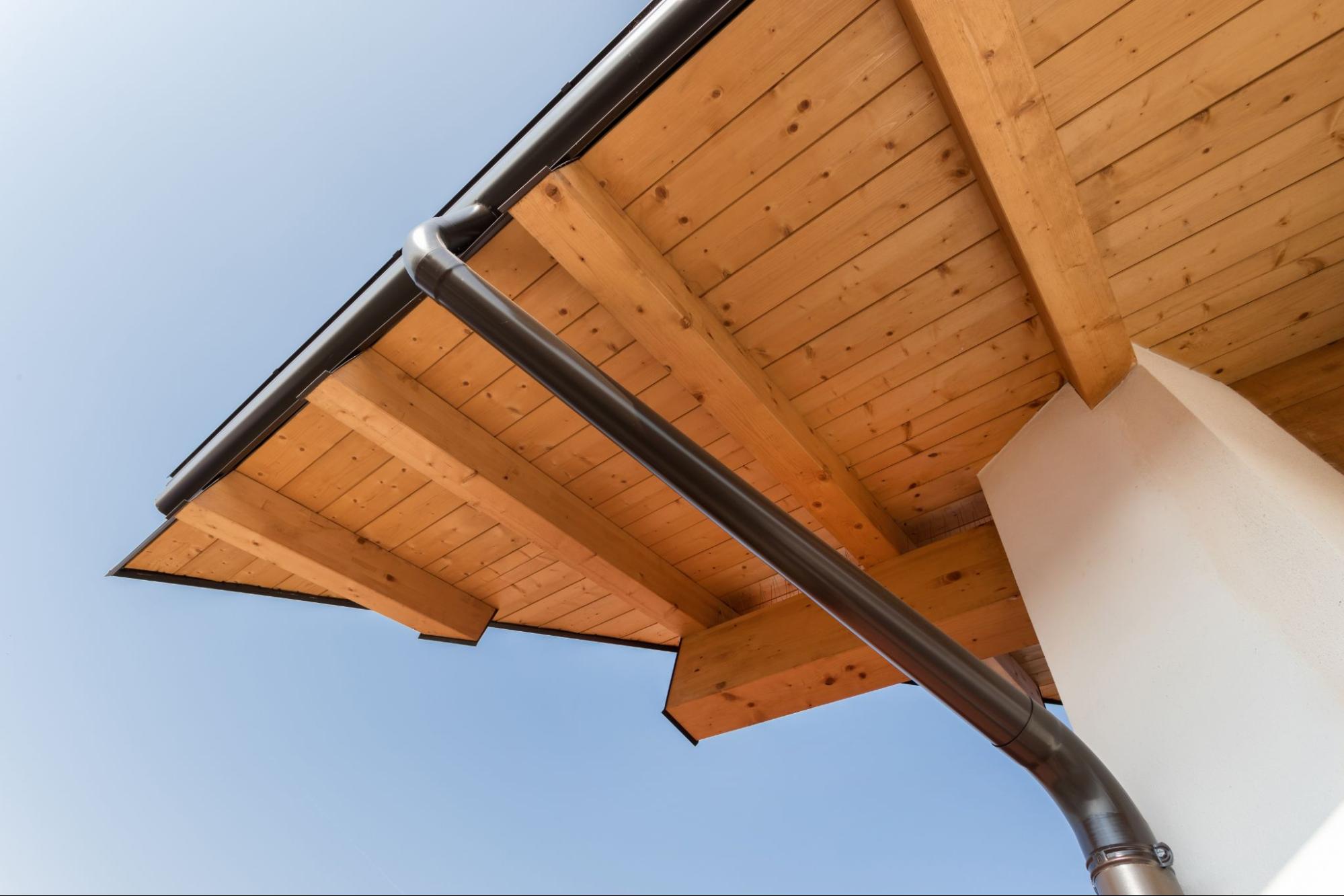
Heavy rain can damage a property faster than many owners expect. Water often collects near walls, foundations, and walkways after storms. Proper drainage solutions help control runoff before moisture spreads across vulnerable areas. A gutter downspout moves rainwater away before serious structural problems begin. Reliable water control also helps homes and businesses stay cleaner and safer year-round.
How Gutter Downspouts Work
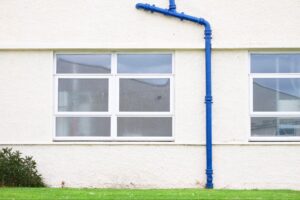
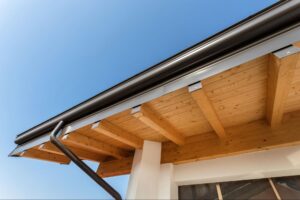
A gutter downspout safely carries rainwater away from the building. Gutters collect water from the roof during heavy rainfall and storms. The connected drainage pipes guide runoff toward safer ground. That controlled flow helps protect foundations, siding, and surrounding outdoor surfaces.
How Water Moves Through Gutters
Rainwater first lands across the roof before entering the gutter channels. The gutter system collects runoff and prevents water from spilling immediately. A connected downspout then directs water toward the ground in stages. Without that drainage path, water can quickly gather beside foundations and exterior walls. Excess moisture also damages landscaping, walkways, and nearby paved areas over time. Proper drainage keeps water consistently moving away from vulnerable areas of the property.
Why Controlled Drainage Matters
Controlled drainage helps prevent costly water damage around residential properties. Excess runoff often enters small cracks beneath foundations and basement walls. That hidden moisture gradually weakens structural materials and indoor living spaces. Businesses also face safety concerns due to flooded entrances and slippery outdoor walkways. Proper water control reduces soil erosion near gardens and exterior paved surfaces. That protection supports safer and stronger property conditions throughout every season.
The Purpose of a Gutter Downspout
A gutter downspout controls how rainwater leaves the roof during storms. Without proper drainage, water can quickly collect near foundations, siding, and walkways. That moisture slowly damages structural surfaces and the surrounding outdoor areas. Proper water flow helps protect homes and businesses from costly drainage-related problems.
Preventing Structural Ground Damage
Foundation damage usually starts with poor drainage around the building exterior. Heavy rainfall saturates the soil near the structure, as runoff repeatedly collects alongside it. That wet ground shifts, creating pressure against foundation walls over time. Proper water direction helps the surrounding soil remain drier and more stable.
Preventing Soil Shifts Near Foundations
Wet soil expands after absorbing excess rainwater during heavy storms. That shifting movement places stress against concrete walls and support areas. Small cracks often spread more quickly after repeated seasonal weather changes outdoors. Water also easily enters crawl spaces through weakened concrete and damaged joints. Redirected runoff helps nearby soil remain firmer throughout the year’s changing weather conditions. Stable soil conditions support stronger foundations and lower repair costs over time.
Reducing Basement Moisture Problems
Basements can quickly accumulate moisture when outdoor drainage systems fail. Water often enters through cracks in walls and windows, and in lower-floor areas. Damp indoor conditions also encourage mold growth and unpleasant odors indoors. Businesses may experience inventory damage due to repeated flooding and moisture exposure. Homeowners often deal with damaged insulation, drywall, and flooring after leaks develop. Proper drainage keeps lower levels cleaner, safer, and noticeably drier after storms.
Protecting Exterior Roof Components
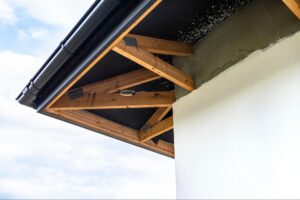
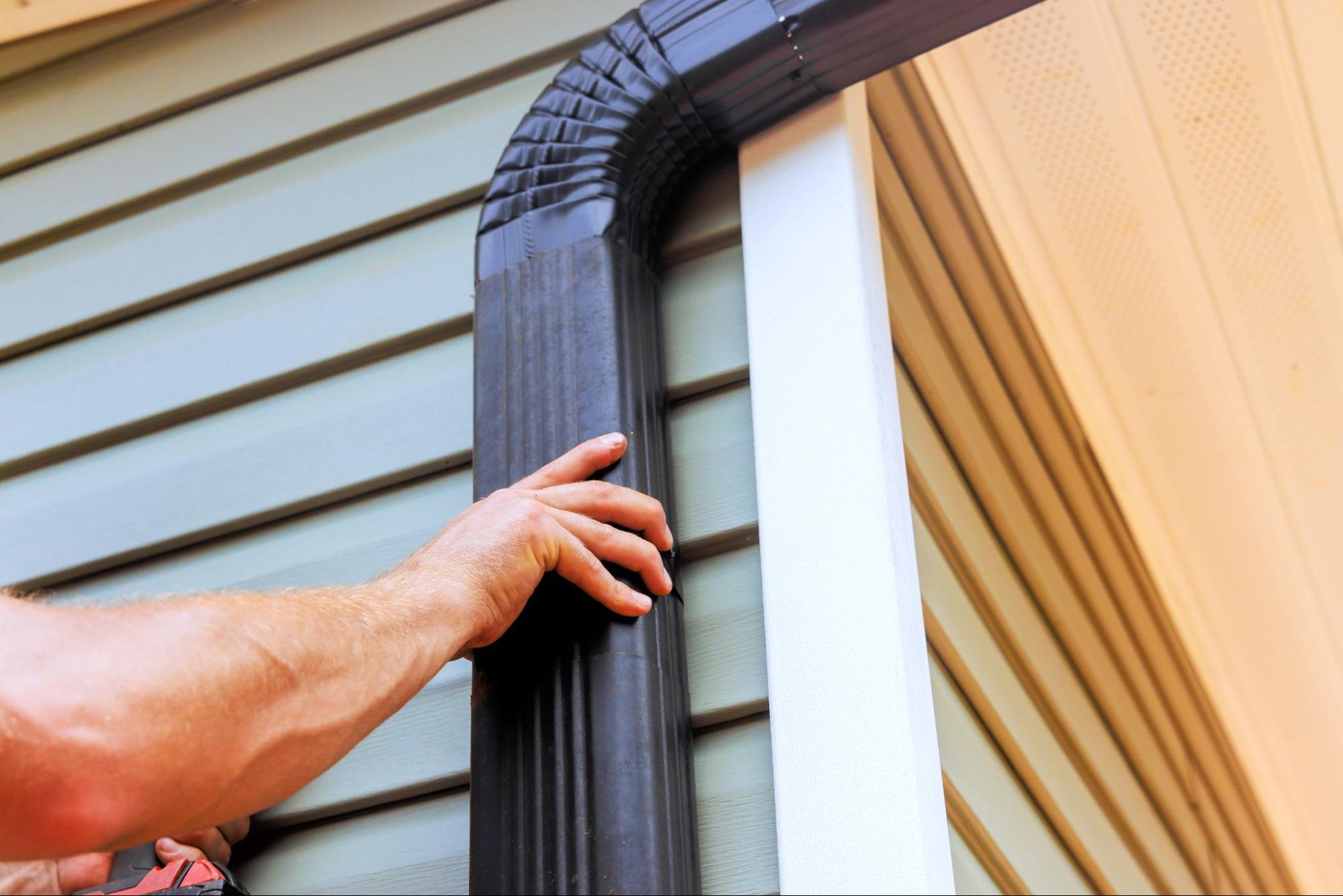
Roof edges are constantly exposed during heavy rain and severe weather. Overflowing gutters place extra strain on roofing materials and on outdoor support fasteners. That repeated pressure weakens exterior components faster than many owners realize today. Functional water control helps roof systems handle runoff more effectively during stronger storms.
Preventing Gutter Overflow Damage
Overflow usually occurs when leaves and debris completely block drainage pipes. Standing water adds heavy pressure across connected gutter sections and brackets outdoors. That extra weight often pulls gutters away from the roof edges gradually over time. Overflow also regularly exposes fascia boards and roofing materials to damaging moisture. Clean drainage systems help water flow consistently through connected gutter channels. Routine maintenance helps gutters last longer and perform better during storms.
Reducing Exterior Wall Damage
Rainwater stains siding when outdoor drainage systems fail during heavy storms. Constant moisture exposure gradually weakens paint, brick, wood, and siding materials. Hidden leaks behind siding panels often cause serious structural damage indoors later. Commercial buildings also lose curb appeal from visible stains and moisture marks. Proper drainage systems help exterior walls remain cleaner and noticeably drier year-round. Dry surfaces also significantly reduce future mold growth and indoor moisture concerns.
How Moisture Affects Indoor Air Quality
Excess moisture creates ideal conditions for mold growth inside enclosed spaces. Mold spores often spread through vents and poorly sealed sections of walls and doors. That contamination may trigger respiratory irritation and unpleasant indoor air conditions. Damp insulation also loses efficiency, gradually increasing heating or cooling costs. Businesses risk unhealthy indoor work environments when moisture problems go untreated. Proper drainage helps reduce indoor humidity and supports healthier interior living conditions.
Preserving Outdoor Surface Conditions
Uncontrolled runoff quickly damages the outdoor spaces surrounding homes and businesses. Heavy water flow washes away mulch, soil, and decorative stone materials outdoors. Standing water also weakens pavement near entrances and exterior walkways over time. Proper water movement consistently helps protect landscaping and paved outdoor surfaces.
Protecting Grass and Garden Areas
Strong runoff during severe seasonal storms can remove soil from flower beds. Grass also struggles in areas that repeatedly remain flooded after heavy rainfall. Oversaturated soil weakens nearby trees, shrubs, and decorative plants over time. Commercial landscaping often requires costly repairs when drainage problems go unchecked outdoors. Redirected runoff supports healthier soil conditions across the surrounding outdoor property. Better drainage also consistently improves curb appeal for homes and commercial buildings.
Preventing Walkway and Driveway Damage
Standing water weakens asphalt and concrete surfaces over time through repeated exposure to the elements. Cracks spread faster after trapped moisture freezes during colder seasonal temperatures. Uneven pavement also creates slipping hazards near entrances and along outdoor public walkways. Businesses face liability concerns when outdoor walking surfaces remain unsafe after storms. Proper drainage helps paved areas stay cleaner and structurally stronger much longer. Dry walkways create safer conditions for homeowners, visitors, employees, and customers daily.
Supporting Better Water Distribution
Modern drainage systems support better runoff management around larger properties today. Controlled water flow helps prevent flooding near outdoor entrances and loading areas. Many property owners also regularly collect rainwater for landscaping and cleaning. Proper runoff direction improves drainage performance across residential and commercial properties alike.
Supporting Rainwater Collection Systems
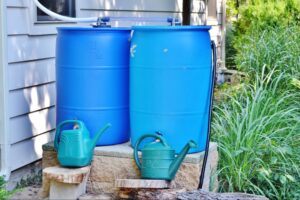
Rainwater collection systems efficiently store runoff for irrigation and outdoor cleaning. Downspouts safely guide collected water directly into barrels or underground storage containers. That controlled process significantly reduces unnecessary runoff around exterior property sections. Stored rainwater also lowers dependence on municipal water sources during dry periods. Many homeowners regularly use collected water for gardens and routine outdoor maintenance. Proper filtration helps keep stored rainwater consistently clean for future outdoor use.
Improving Drainage Around Buildings
Large commercial buildings collect substantial rainwater outdoors during severe weather events each year. Roofs and parking lots often produce concentrated runoff near exterior property lines. Poor drainage planning often causes flooding around entrances and loading zones afterward. Properly placed outlets distribute runoff more evenly across the surrounding drainage systems efficiently. Businesses benefit from fewer maintenance concerns after heavy rainfall and seasonal storms. Better drainage planning also supports safer operations and stronger long-term property conditions.
Buyers Notice Drainage Problems Quickly
Home inspectors often check drainage conditions before carefully reviewing interior property spaces. Standing water near foundations usually indicates potential structural issues beneath the property. Buyers may also question maintenance history after seeing visible exterior water damage. Commercial tenants often avoid buildings with flooding or recurring drainage problems. Proper runoff control creates cleaner exterior conditions and stronger first impressions immediately. Better drainage planning also helps owners avoid costly negotiations during future property sales.
How to Keep Gutter Downspout Water Flow Consistent
Drainage systems work better when water flows freely throughout the year. Proper maintenance helps prevent overflow, moisture buildup, and outdoor water damage. Small drainage concerns are easier to manage before they become expensive later. Consistent water flow supports stronger property protection and longer-lasting exterior surfaces.
Prevent Blockages From Debris
Leaves, dirt, and twigs often collect in drainage sections after storms. That buildup slows water movement and quickly increases overflow near the roof edges. Standing moisture also creates rust, mold growth, and insect activity around gutters. Regular gutter cleaning helps water move safely through connected drainage paths consistently year-round. Gutter guards may also effectively reduce debris buildup around vulnerable sections of the roof. Clean systems improve drainage performance during heavy rainfall and seasonal weather changes.
Improve Drainage System Performance
Proper gutter downspout installation helps runoff move consistently away from the property, even in outdoor conditions. Secure brackets and aligned sections improve water flow during annual storms. Longer extensions also reduce erosion near foundations and surrounding paved surfaces afterward. Poor placement often causes puddles beside walkways and exterior wall sections regularly. Professional adjustments help drainage systems perform more efficiently throughout changing seasons. Better system performance also reduces future maintenance concerns and structural repair costs.
Prevent Water Overflow Near Foundations
Overflow near foundations often starts with restricted water movement during storms. Excess runoff quickly saturates the surrounding soil, gradually weakening ground stability. That moisture also increases pressure against basement walls and lower structural areas. Standing water near foundations may eventually cause cracks and interior moisture problems. Proper drainage flow helps direct runoff safely away from vulnerable exterior surfaces. Consistent maintenance reduces foundation risks and supports stronger long-term property conditions.
Reduce Wear on Exterior Surfaces
Poor drainage slowly damages siding, paint, roofing edges, and outdoor walkways. Water stains often appear after runoff spills from clogged or damaged sections. Constant moisture exposure also gradually weakens wood, concrete, and decorative exterior materials. Businesses may lose curb appeal when visible drainage damage affects exterior surfaces. Proper water flow helps exterior areas remain cleaner and structurally stronger longer. Routine gutter services also reduce maintenance costs and prevent recurring surface damage.
Improve Drainage With Gutter Downspouts
Small drainage issues rarely stay small after repeated storms and rainfall. Water damage spreads quietly through foundations, siding, and outdoor surfaces over time. A reliable gutter company can help keep gutter downspouts clean, properly placed, and working efficiently year-round. Regular inspections and timely repairs help prevent expensive problems before they affect your home or business.
Small drainage issues can lead to costly repairs later. Read the Quality Rain Gutters, Inc. blog for smart solutions and trusted gutter guidance.