Your roof protects much more than shingles and framing. Several hidden components work together to defend your property from moisture, pests, and weather damage. Fascia and soffit often receive little attention until problems become impossible to ignore. Learning how each part functions helps homeowners make smarter maintenance and repair decisions. Small issues become easier to address when you understand how these roofline components support your home’s exterior.
Fascia vs Soffit at a Glance
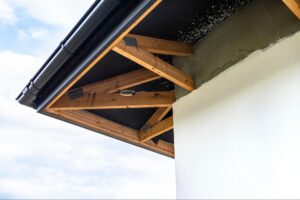
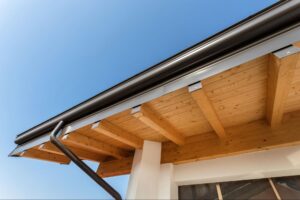
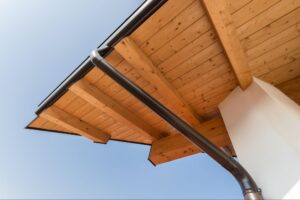
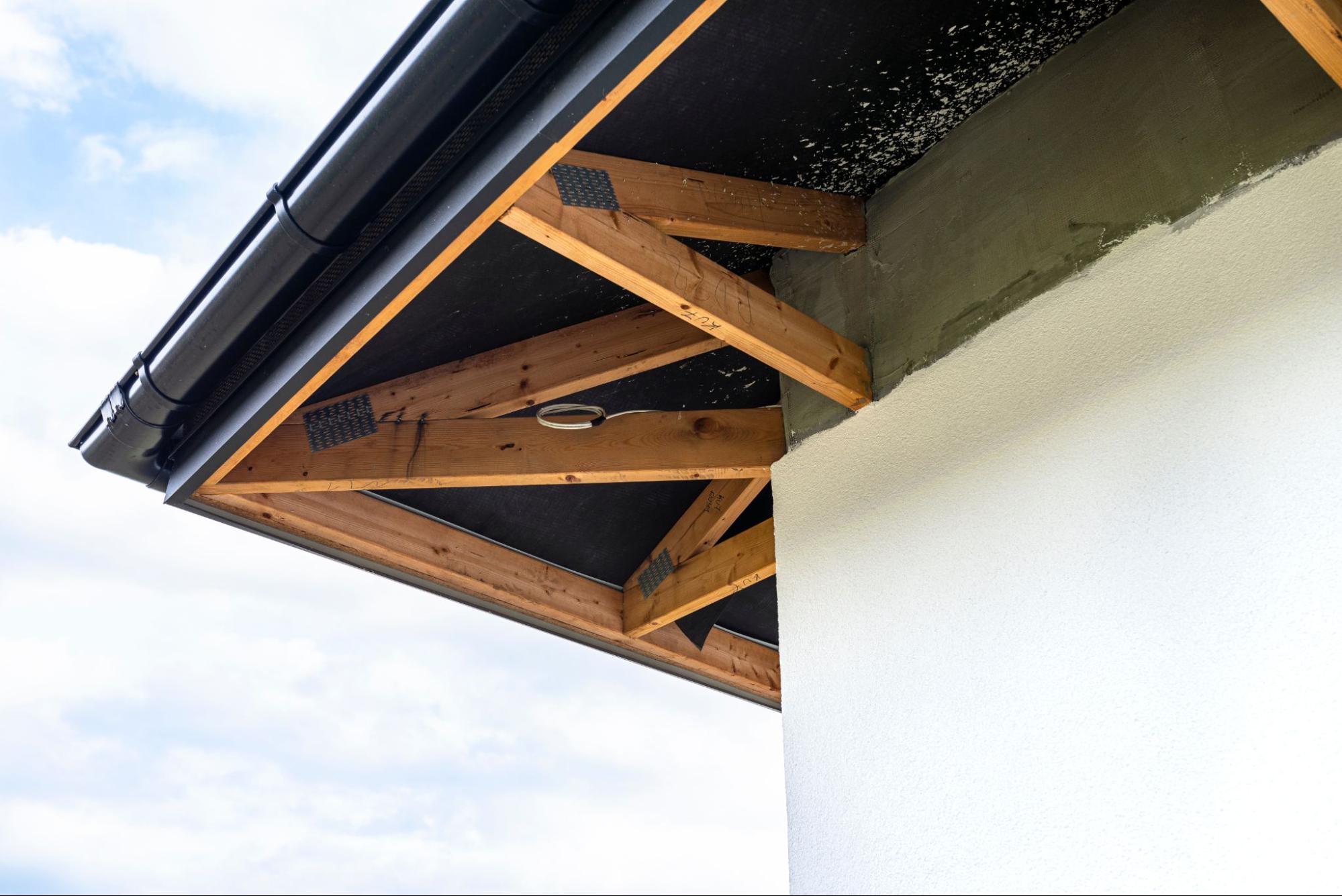
Fascia and soffit are separate roofline components that work together to protect your home from weather and moisture damage. Fascia is the vertical board attached along the roof edge that supports the gutter system and covers exposed roof framing. Soffit is the horizontal panel beneath the roof overhang that improves attic ventilation while closing the underside of the eaves. Understanding the difference helps homeowners recognize maintenance needs before small roofline problems become costly repairs.
Understanding Fascia and Soffit
Many homeowners recognize fascia and soffit, but struggle to explain their individual purposes. These roofline components sit next to each other, yet each performs a different job. Knowing how they work together helps you identify damage before it spreads. A closer look at each component makes future inspections and repair decisions much easier.
What is Fascia?
Fascia is the long, straight board attached along the lower edge of the roof. It creates the finished edge where gutters connect to the home. This board supports the gutter system and helps carry rainwater away from the foundation. It also covers exposed roof framing to create a cleaner exterior appearance. Wood, aluminum, vinyl, composite materials, and PVC remain common fascia options. Regular inspections help catch peeling paint, soft spots, cracks, and water damage before larger structural repairs become necessary.
What is Soffit?
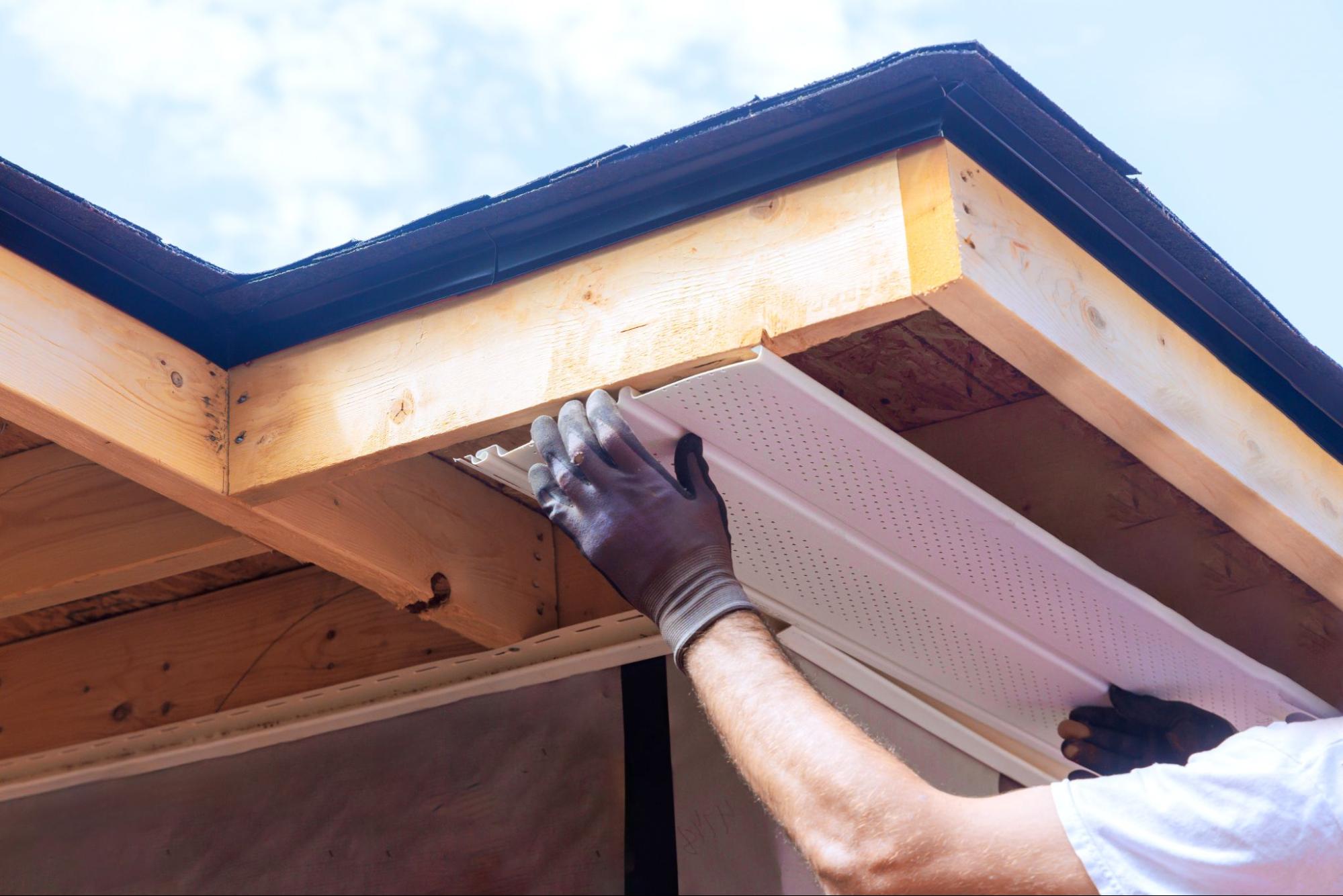
Soffit covers the underside of the roof overhang between the exterior wall and the fascia board. It closes the exposed space beneath the eaves while allowing fresh air into the attic. Many soffits contain small vents that improve airflow throughout the roofing system. Better ventilation helps reduce excess heat and moisture inside the attic. Proper airflow also helps extend the lifespan of roofing materials by reducing trapped humidity. Modern soffits come in wood, vinyl, aluminum, fiber cement, and composite materials to suit different home styles and maintenance preferences.
Do All Homes Have Fascia and Soffit?
Most homes include both fascia and soffit because they support roof protection and ventilation. Some architectural styles use exposed rafter tails instead of traditional soffits. Modern homes may also feature different materials or designs that change their appearance. Even when styles vary, the roof still needs proper drainage and attic airflow. A roofing contractor can identify the roofline components installed on your home. Knowing your roof’s design helps you plan maintenance and future repairs more effectively.
Fascia vs Soffit: Main Differences
Fascia and soffit share the same roof edge, but they serve different functions. Confusing one with the other often leads homeowners to overlook developing problems. Understanding each component separately makes roof inspections more effective. Comparing their location, purpose, and maintenance needs highlights why both deserve equal attention.
Location Around the Roofline
Fascia runs vertically along the roof’s outer edge where gutters attach. Soffit sits horizontally beneath the roof overhang, between the siding and the fascia. Their positions allow them to work together without performing identical tasks. Fascia remains visible from the front of the home in most cases. Soffit becomes more noticeable when standing beneath the roof overhang. Recognizing each location makes it easier to describe damage accurately when contacting a roofing contractor.
Primary Purpose of Each Component
Fascia provides structural support for gutters while protecting the roof framing from weather exposure. Soffit focuses on attic ventilation while sealing the underside of roof overhangs. These separate responsibilities complement each other during every season. Healthy fascia helps gutters stay secure during heavy rainfall. Functional soffits improve attic airflow and reduce moisture buildup that may encourage mold growth. Together, both components support better roof performance and contribute to a longer-lasting exterior.
Materials and Maintenance Needs
Many fascia boards require periodic painting or sealing, depending on their material. Vinyl and aluminum options generally need less maintenance than traditional wood. Soffit maintenance often focuses on keeping vents free from dirt, dust, leaves, and insect nests. Blocked vents reduce airflow and create attic ventilation problems. Both components should receive visual inspections after severe storms and throughout seasonal maintenance. Early repairs usually cost less than replacing damaged sections of the roofline after moisture spreads.
Which Component Usually Fails First?
Fascia often shows damage before the soffit because it remains attached to the gutter system. Overflowing gutters expose fascia boards to constant moisture during heavy rain. Wood materials become especially vulnerable when water remains trapped against the surface. Soffit damage usually develops after ventilation problems or water enters beneath the roof edge. Inspecting both components together helps uncover hidden issues before they spread. Early repairs often prevent the need for more extensive roofline restoration.
How Fascia and Soffit Work Together
A healthy roof depends on more than durable shingles and quality flashing. Fascia and soffit create a system that protects the roofline from several common problems. One provides structural support while the other improves airflow inside the attic. Their combined performance helps preserve roofing materials and the home’s exterior for many years.
Supporting Drainage and Ventilation
Rainwater follows a planned path away from the roof when gutters remain securely attached to solid fascia boards. At the same time, soffit vents allow outside air to enter the attic. Fresh airflow pushes warm, moist air toward the roof vents and out of the home. This continuous circulation helps reduce condensation beneath the roof deck. Lower moisture levels reduce the risk of wood rot and mold growth. Healthy drainage and proper ventilation create a stronger roofing system throughout changing seasons.
Preventing Moisture and Pest Problems
Water often enters roof structures through damaged fascia or deteriorated soffit panels. Small openings also attract birds, rodents, insects, and other unwanted pests. These problems can spread quickly when repairs are delayed. Moisture trapped inside the attic weakens wood framing over time. Pest activity may damage insulation, wiring, and ventilation pathways. Keeping both components in good condition helps protect the roof from avoidable structural issues.
Supporting Year-Round Roof Performance
Roofline components face different challenges throughout every season. Proper soffit ventilation helps reduce attic heat during warmer months and limits moisture buildup during colder weather. Healthy fascia keeps gutters firmly attached while directing rainwater away from the home. Together, these components reduce stress on roofing materials throughout the year. Consistent airflow and effective drainage support a longer-lasting roofing system. Routine maintenance helps both components continue performing as intended.
Improving Exterior Appearance
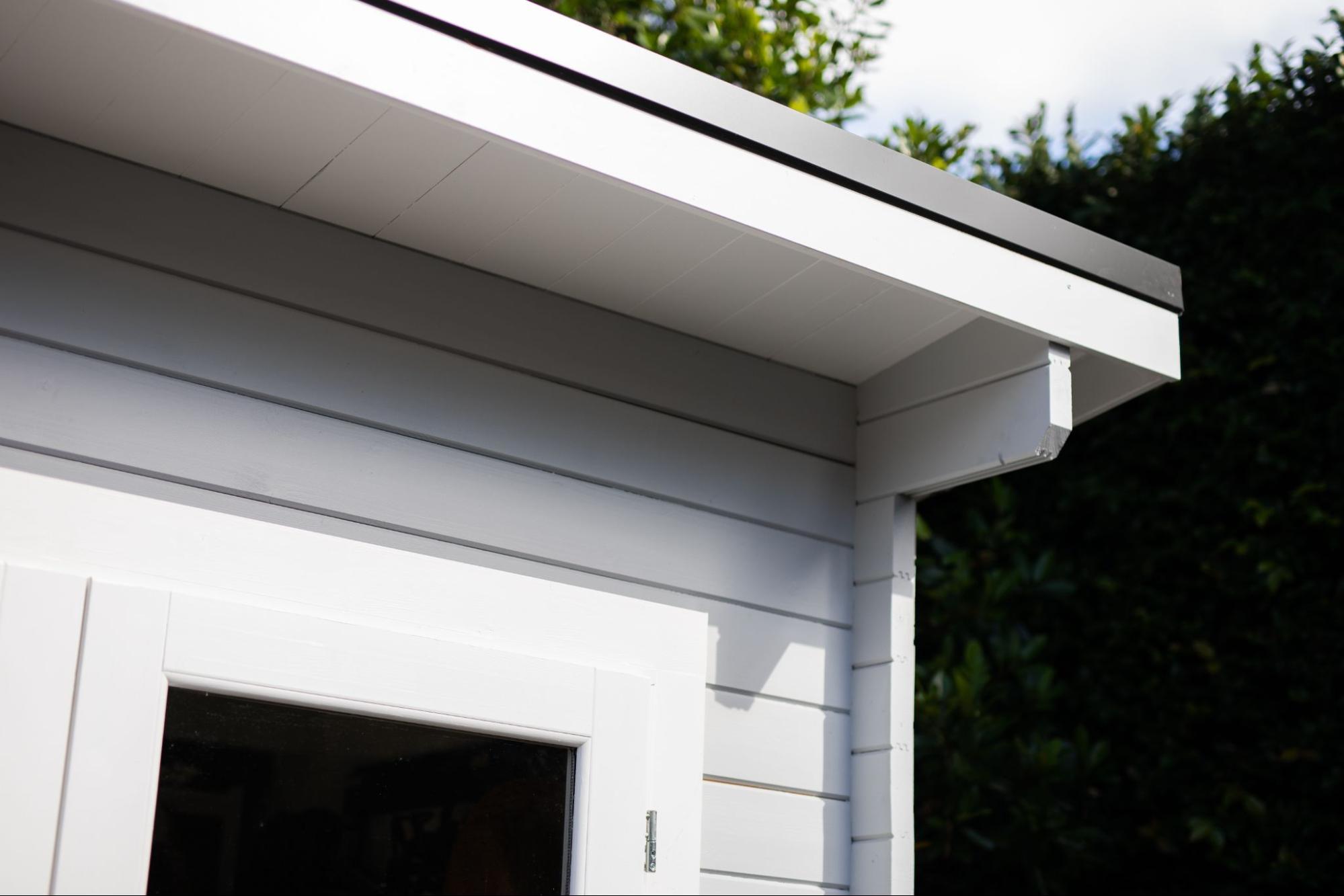
Clean, well-maintained fascia creates a sharp border along the roofline. Matching soffit panels give the underside of the eaves a finished appearance. Together, they frame the roof and improve the home’s overall design. Faded, warped, or damaged sections stand out immediately from the street. Replacing worn materials refreshes the exterior without changing the entire roof. Attractive roofline components also support better curb appeal and property value.
Signs Your Roofline Needs Attention
Roofline damage rarely appears without warning. Small changes usually develop before larger structural issues become visible. Recognizing those early signs helps homeowners schedule repairs before costs increase. Regular inspections make these problems easier to catch throughout the year.
Visible Damage Around the Roof Edge
Peeling paint, cracked boards, and sagging gutters often point to fascia deterioration. Loose or missing soffit panels also deserve immediate attention. These problems expose the roof framing to moisture and pests. Dark stains may indicate long-term water intrusion. Warped sections suggest that moisture has already affected the material beneath the surface. Prompt repairs help prevent additional damage throughout the roofing system.
Poor Attic Ventilation
Hot, humid attics often indicate blocked or damaged soffit vents. Reduced airflow allows heat and moisture to remain trapped beneath the roof. High attic temperatures may shorten the lifespan of roofing materials. Moisture buildup can also affect insulation performance. Homeowners sometimes notice musty odors before seeing visible damage. Restoring proper ventilation improves attic conditions and supports healthier roof performance.
Gutter Performance Problems
Overflowing gutters sometimes result from more than simple debris buildup. Weak or rotting fascia boards may no longer properly support the gutter system. Loose fasteners can pull away as damaged wood loses strength. Water may spill behind the gutters instead of flowing toward the downspouts. Continued overflow increases the risk of damage to siding, the foundation, and landscaping. Inspecting the fascia alongside the gutters helps identify the true source of the problem.
When Fascia and Soffit Need Professional Care
Roofline repairs often involve more than replacing a single damaged board. Hidden moisture and structural damage may extend beyond visible surfaces. Professional inspections identify the full scope before repairs begin. Experienced roofing contractors also recommend materials that match your home’s needs and climate.
When Repairs Are Enough
Minor cracks, loose fasteners, and isolated damage often require straightforward repairs. Addressing these problems early helps preserve surrounding materials. Contractors inspect nearby sections before completing localized repairs. This approach prevents hidden issues from being overlooked. Small maintenance projects usually cost less than extensive replacements. Routine inspections help homeowners extend the lifespan of existing fascia and soffit.
When Replacement Makes More Sense
Extensive rot, repeated leaks, or widespread deterioration often require complete replacement. Installing new fascia without correcting the damaged soffit may leave underlying problems unresolved. Contractors evaluate the entire roof edge before recommending replacement. Modern materials often provide improved durability with lower maintenance requirements. Replacing both components together may create a more consistent appearance. A complete solution often delivers better long-term value than repeated temporary repairs.
Keep Fascia and Soffit Performing Well
Fascia and soffit continue protecting your home only when they receive consistent attention. Ignoring early signs of damage can affect your roof, gutters, and attic before problems become obvious. Routine inspections and prompt repairs help preserve your roofline while avoiding more extensive restoration later. Working with an experienced roofing contractor gives you practical solutions that keep your home protected for years to come.
A stronger roofline begins with better knowledge. Browse the Quality Rain Gutters, Inc. blog for helpful resources, maintenance advice, and professional insights that support smarter home care.