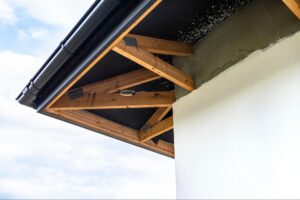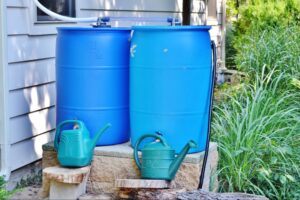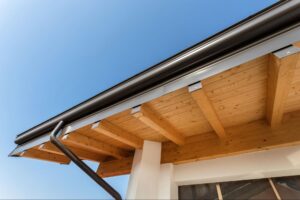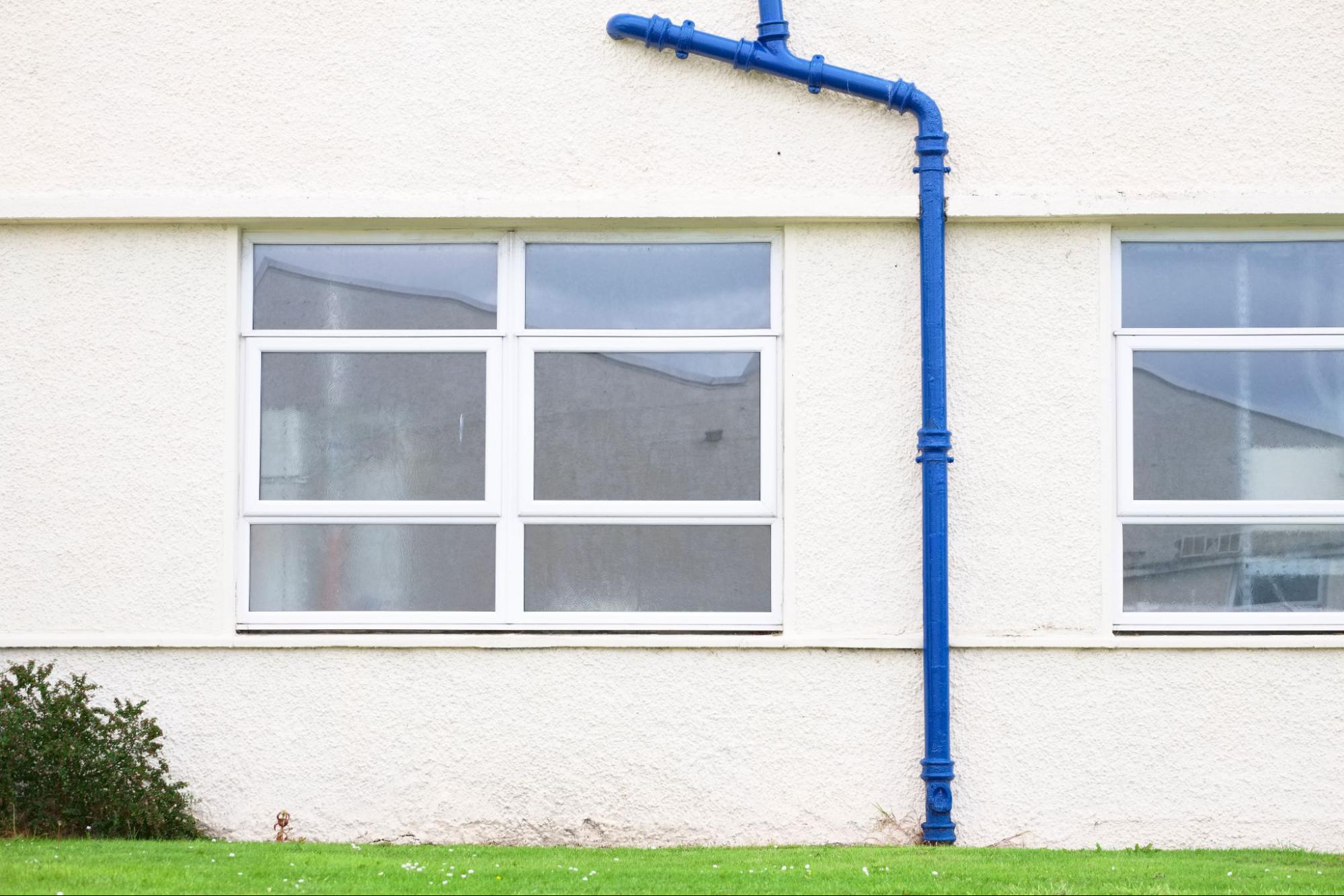
Rainwater can become a property problem when it collects beside buildings. Poor runoff control can damage foundations, landscaping, pavement, and other exterior surfaces. Homes and businesses need reliable systems that move roof water toward safer discharge areas. Proper downspout drainage reduces standing water while helping protect valuable structures from repeated moisture exposure. Understanding the available drainage methods makes maintenance, repairs, and future improvements easier to plan.
What is Downspout Drainage?
Downspout drainage directs rainwater from roof gutters away from a building and surrounding areas. It prevents concentrated roof runoff from collecting near foundations, landscaping, walkways, and other vulnerable surfaces. A drainage setup may include extensions, underground pipes, catch basins, or designated discharge outlets. The right configuration depends on roof size, grading, soil conditions, and available drainage locations. Proper water routing also reduces erosion, standing water, and moisture problems around homes and businesses.
How Downspout Drainage Protects Property
A roof can collect hundreds of gallons during a single heavy rainstorm. Gutters direct that water toward downspouts, but the drainage process cannot stop there. Water needs a clear route away from foundations, entrances, landscaping, and busy exterior areas. A complete runoff system manages that movement from the roof to an appropriate discharge point.
Moving Roof Runoff Away From Foundations
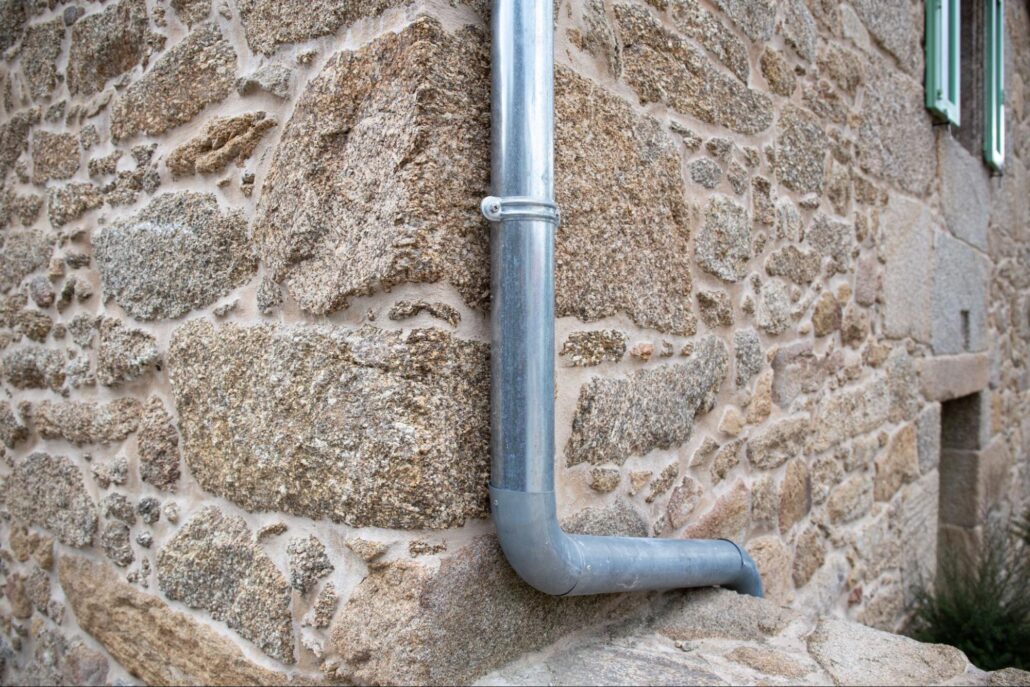
Downspouts collect water from gutters and carry it toward ground level. Problems develop when that runoff empties directly beside foundation walls. Saturated soil can increase moisture pressure against basements, crawl spaces, and concrete foundations. Repeated exposure may also contribute to settlement, cracking, and persistent dampness around the building. Extensions or underground drain lines can move water farther from vulnerable structural areas. The right discharge distance depends on grading, soil conditions, rainfall, and surrounding property features.
Reducing Erosion and Surface Water Problems
Uncontrolled roof runoff can quickly wash soil away from landscaped areas. Concentrated water may create channels near sidewalks, parking areas, patios, and planting beds. Mulch can shift, exposed roots can develop, and low areas may remain muddy. Commercial properties can also experience puddles near entrances or pedestrian routes after storms. A planned drainage route spreads or redirects runoff without repeatedly damaging the same surface. Better water control helps preserve landscaping while reducing avoidable cleanup after severe weather.
Preventing Water Near Basements and Crawl Spaces
Roof runoff can saturate soil when downspouts release water too close to buildings. Moisture may then reach basement walls, crawl spaces, or other below-grade areas. Damp conditions can also affect stored belongings and create persistent maintenance concerns. Extending drainage routes helps reduce repeated water accumulation around vulnerable parts of the structure. Proper grading should support the system so discharged water continues moving away. Addressing both drainage and slope usually provides better results than relying on one improvement alone.
Common Downspout Drainage Problems
Drainage trouble rarely begins with one dramatic failure around a property. Smaller warning signs often appear before water causes expensive structural or landscape damage. Owners should watch how gutters, downspouts, soil, and drains perform during rainfall. Those observations can reveal where the system needs cleaning, repairs, or a better drainage route.
Clogged Gutters and Downspout Blockages
Leaves, roofing granules, twigs, and other debris can restrict gutter flow. Water may then spill over gutter edges instead of entering the downspout. Debris can also lodge in elbows or narrow downspout sections. These blockages may cause water to back up near roof edges and exterior walls. Regular cleaning keeps runoff moving through the system during heavy rainfall. Persistent clogs may indicate poor gutter positioning, damaged components, or inadequate capacity for the roof.
Poor Grading Around the Building
Ground slope determines where rainwater travels after leaving a drainage outlet. Soil that slopes toward a building can direct runoff back toward its foundation. Low spots may also collect water long after surrounding surfaces have dried. These drainage patterns can worsen when soil settles around newer or older structures. Regrading selected areas may help establish a more reliable path away from the property. Drainage contractors can evaluate complicated slopes when neighboring lots or paved areas limit available solutions.

Damaged or Disconnected Downspout Components
Loose connections can release rainwater before it reaches the intended drainage point. Cracked elbows and separated joints may direct runoff against siding or foundation walls. Underground connections can also shift because of settling soil or accidental exterior work. Property owners should inspect visible joints when they notice unexpected puddles after rainfall. Reconnecting or replacing damaged components can restore proper flow if the rest of the system works correctly. Recurring separation may signal a larger alignment or underground drainage problem requiring professional inspection.
Choosing a Downspout Drainage Solution
No single drainage method works for every home or commercial building. Property layout, soil, roof size, and existing grading influence the best approach. Local rainfall patterns and available discharge areas also affect system design. Comparing practical options helps property owners choose a solution that addresses actual runoff conditions.
Downspout Extensions for Simple Drainage
Extensions provide a straightforward way to move water beyond the foundation perimeter. They connect near the downspout base and direct runoff across the ground. Flexible models work around landscaping, while rigid extensions provide a more permanent configuration. Some extensions fold upward when owners need access for mowing or property maintenance. However, surface extensions can become inconvenient around walkways, driveways, or frequently used commercial spaces. They work best when the surrounding grade already carries discharged water safely away.
Underground Downspout Drainage Systems
Buried drainage pipes keep roof runoff away from visible exterior living and working areas. These systems connect downspouts to underground lines that carry water toward suitable discharge locations. Proper pipe sizing and slope help maintain dependable flow during stronger storms. Poor installation can create standing water, sediment buildup, or recurring underground clogs. Accessible cleanouts can make future inspection and maintenance easier when problems develop. Professional planning becomes especially useful for larger roofs or properties with complicated drainage conditions.
Catch Basins for Concentrated Surface Runoff
Catch basins collect water where runoff regularly gathers around exterior surfaces. They can connect with underground pipes that carry collected water toward another discharge area. These drains often work well near low spots, landscaped areas, and selected paved surfaces. Grates help block larger debris before it enters the buried drainage line. However, owners must clean accumulated leaves and sediment to maintain dependable water movement. Proper basin placement depends on surface slope and the direction water naturally travels.
Drainage Outlets and Runoff Control
Collected rainwater still needs somewhere appropriate to leave the drainage system. The best outlet depends on soil, terrain, available space, and local requirements. Some properties can release water onto suitable landscaped areas without creating erosion or flooding. Others need dedicated drainage features that manage concentrated runoff more carefully.
Pop-Up Emitters and Daylight Outlets
A daylight outlet allows underground piping to release water at an exposed lower location. This setup works when the property has enough natural elevation change for gravity drainage. Pop-up emitters offer another option when an open pipe would create appearance or maintenance concerns. Water pressure raises the emitter during drainage and allows it to close afterward. Both approaches require adequate slope so water does not remain trapped inside buried lines. Outlet placement should also prevent runoff from creating problems on neighboring properties or public walkways.
Dry Wells and Infiltration Areas
Some properties cannot discharge roof water toward an open lower area. A dry well can temporarily collect runoff and allow surrounding soil to absorb it. Infiltration areas can provide similar benefits when soil conditions support reliable drainage. These systems require careful sizing because roof area and rainfall affect incoming water volume. Clay-heavy or poorly draining soils may limit how effectively infiltration methods perform. Site evaluation helps determine whether underground storage can handle expected runoff without creating another wet area.
Planning Drainage for Homes and Businesses
Residential and commercial properties often face different runoff volumes and site limitations. A house may need drainage around landscaping, patios, driveways, and neighboring property boundaries. Commercial buildings can have larger roof areas and more extensive paved surfaces. Planning should account for both current drainage concerns and future property use.
Residential Roof Water Management
Home drainage should move roof water away without disrupting everyday outdoor activities. Downspout locations often sit near gardens, walkways, patios, garages, or driveway edges. An effective layout works around those features while maintaining enough slope for consistent flow. Homeowners should also consider where runoff travels after leaving each outlet. Sending water several feet away provides little benefit when the grade immediately directs it backward. A broader site assessment can reveal drainage patterns that remain hidden during dry weather.
Commercial Downspout Drainage Needs
Commercial roofs can generate substantial runoff because they often cover larger surface areas. Drainage systems must manage that volume without creating hazards near entrances or parking areas. Water should also stay away from loading zones, pedestrian paths, and sensitive landscaped sections. Larger systems may require multiple drain lines, collection points, or carefully selected discharge locations. Maintenance access matters because commercial properties need efficient inspections without disrupting normal operations. A professionally designed system can address capacity, routing, accessibility, and long-term service requirements together.
Accounting for Roof Size and Rainfall Volume
Roof area directly affects how much water reaches gutters during a storm. Larger surfaces can send substantial runoff through only a few downspout locations. Drainage pipes need enough capacity to handle those concentrated flows without frequent backups. Property layout also determines how easily water can reach a suitable outlet. Commercial sites may need additional collection routes because larger roofs generate greater drainage demands. Proper calculations help match system capacity with realistic runoff instead of relying on guesswork.
Installing Underground Drainage Correctly
Buried piping can provide dependable drainage when installers account for site conditions. Simply connecting a downspout to a pipe does not create an effective system. The line needs suitable dimensions, slope, fittings, and a functional discharge destination. Careful installation also reduces maintenance problems that could remain hidden underground.
Pipe Slope and Drainage Capacity
Gravity-driven drainage depends on consistent pipe slope from the inlet toward the outlet. Flat sections can retain water and allow sediment to collect over time. Improper slopes may also slow drainage during intense rainfall when capacity matters most. Pipe diameter should match expected runoff and the number of connected downspouts. Larger buildings may require greater capacity than a typical residential installation provides. Accurate planning reduces the chance of backups during storms that place heavy demands on the system.
Choosing Durable Drainage Materials
Drainage pipes face soil pressure, moisture, roots, and seasonal ground movement. Material selection should reflect the installation depth and surrounding property conditions. Smooth interior surfaces can help runoff move efficiently while reducing places where debris accumulates. Strong fittings also limit separation where pipes change direction or connect with downspouts. Contractors may recommend different materials depending on traffic loads and expected drainage volumes. Durable components can reduce future excavation when repairs would otherwise require disturbing finished landscaping or pavement.
Protecting Buried Lines From Roots and Traffic
Underground drain lines need protection from conditions that can damage them over time. Tree roots may interfere with pipes when joints develop openings or nearby vegetation expands. Vehicle traffic can also stress shallow lines installed beneath driveways or service areas. Proper depth and suitable pipe materials help reduce damage from these external pressures. Installation routes should avoid major root zones whenever the property layout provides another practical option. Planning for surrounding conditions can extend system life and reduce difficult underground repairs.
Prevent Damage With Better Downspout Drainage
Persistent runoff problems can become costly when water keeps collecting around your property. Addressing poor drainage early can limit erosion, foundation moisture, and damage to exterior surfaces. A gutter contractor can identify problem areas and recommend drainage improvements suited to your property. Schedule professional service before another heavy storm turns a manageable drainage issue into an expensive repair.
Keep your gutters and drainage system working effectively through every season. Visit the Quality Rain Gutters, Inc. blog for useful maintenance tips and practical guidance.