Gutter Installation

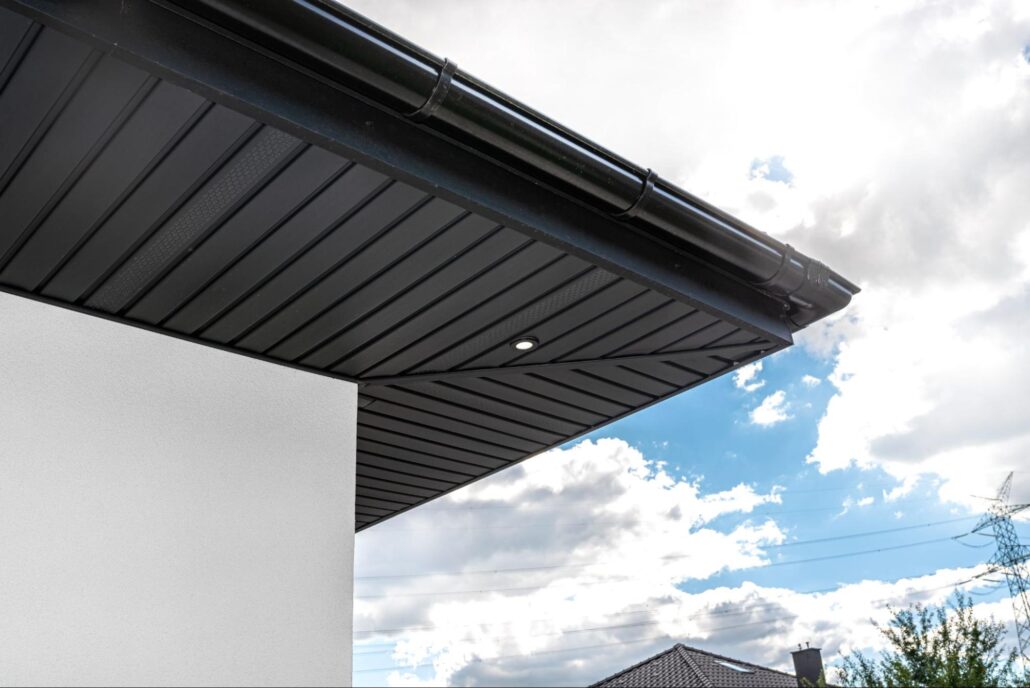
Upward perspective of modern soffit panels and gutter system with seamless installation along the roofline
Gutter Installation

Top Residential Gutter Styles in 2026

Rainwater runoff can damage siding, soil, and foundations when drainage fails. A well-built residential gutter system directs water away from structural areas, keeping them dry. Homeowners now compare styles not only for function but also for appearance and lifespan. New materials and designs in 2026 offer better flow control and cleaner exterior lines. The right choice today supports durability, reduces upkeep, and fits the home’s overall design. Residential Gutter Design in 2026 Residential gutter design now reflects changing weather patterns and modern home aesthetics. This shift pushes homeowners to choose systems that handle heavier rainfall and still look refined. Current designs balance capacity, durability, and exterior appeal in a single system. As a result, gutters now serve both as protection and as a visible design feature. Weather Demands on Gutter Systems Residential gutter systems must manage sudden downpours and longer storms with consistent flow. This demand requires wider channels and smoother interiors that reduce water resistance. Many modern systems include reinforced edges that prevent bending during heavy rainfall. Homeowners now prioritize overflow control to protect foundations and landscaping from erosion. This improvement also reduces standing water that attracts pests and causes staining. Industry guidance from groups such as the National Association of Home Builders supports the use of higher-capacity systems in new builds. Exterior Style and Visual Integration Residential gutter systems now blend with roofing and siding rather than stand out. This design approach uses coordinated colors and finishes that match the trim, fascia, and boards. Many homeowners choose profiles that complement architectural lines without adding clutter. This preference improves curb appeal and supports property value during resale. Designers often treat gutters as part of the exterior plan rather than an afterthought. This perspective helps create a balanced and polished home appearance. Residential Gutter Styles to Know in 2026 Modern homes rely on efficient drainage systems that match both structure and environment. Residential gutter styles have evolved to address stronger storms and changing design preferences. Homeowners now weigh performance, durability, and appearance when selecting the right system. Understanding current options helps guide smarter decisions for long-term protection and visual consistency. K-Style Gutters for Modern Homes K-style gutters feature a flat back and decorative front that suits most homes. This design offers high water capacity while maintaining a structured and familiar look. Builders often recommend this style for its balance of cost, durability, and visual appeal. These systems continue to dominate residential projects in 2026. K-Style Design and Performance The K-style profile holds more water than rounded alternatives due to its angular shape. This structure supports steady drainage during both moderate and heavy rainfall conditions. Many homeowners appreciate the crown-like front that resembles traditional molding details. This design also adds strength, which reduces the chance of bending over time. Contractors frequently install this option on both new homes and replacements. This flexibility makes it a dependable choice across various roof types. Maintenance Needs and Durability Regular gutter cleaning helps prevent debris buildup, especially in the inner corners of the design. This shape can trap leaves, which may lead to clogs if left unchecked. Many homeowners install guards to reduce cleaning frequency and improve water flow. Proper installation also prevents leaks at joints and seams over time. This maintenance routine extends the lifespan of the system and protects nearby surfaces. Long-term use often reaches decades with consistent care. Cost and Value Over Time K-style gutters remain one of the more affordable options for homeowners. This affordability makes them accessible without sacrificing performance or durability. Aluminum versions offer corrosion resistance and manageable weight for easier installation. Steel options provide added strength but may require protective coatings. This cost balance supports long-term value without frequent replacements. Many homeowners choose this style for its reliability and reasonable price. Half-Round Gutters With Modern Appeal Half-round gutters feature a curved shape that promotes smooth water flow. This design reduces friction and limits debris buildup inside the channel. Many homeowners choose this style for its classic look and improved drainage efficiency. Updated materials now make it suitable for both traditional and modern homes. Best Uses for Half-Round Gutters The curved design works well on homes with simple rooflines and gentle slopes. This shape allows water to move freely without sharp angles that trap debris. Many historic and custom-built homes use this style for visual consistency. This design also supports better flow during steady rainfall conditions. Homeowners often notice fewer clogs compared to angular systems. This advantage reduces the need for frequent cleaning. Material Options and Longevity Modern options now include copper, aluminum, and coated steel materials. This range allows homeowners to match durability with budget and design goals. Copper develops a natural patina that adds character over time. Aluminum resists rust and performs well in varied climates. This variety helps homeowners select systems that last longer with minimal maintenance. Many professionals recommend these materials based on regional weather conditions. Box Gutters for Heavy Water Flow Box gutters use a wide, rectangular shape designed for high water capacity. This design often integrates into the roof structure for a clean exterior appearance. Many modern homes adopt this style for both function and visual simplicity. These systems handle intense rainfall more effectively than smaller profiles. High-Capacity Drainage Benefits The wide, rectangular design handles large volumes of water during intense storms. This capacity helps prevent overflow that can damage foundations and surrounding soil. Many homeowners prefer this option in areas with frequent heavy rainfall. This structure also reduces pressure on downspouts by distributing water more evenly. Contractors often recommend it for homes with expansive roof surfaces. This reliability supports long-term protection against water-related issues. Hidden Design Advantages The integrated design allows the system to sit within the roofline rather than outside it. This placement creates a clean and uncluttered exterior appearance. Many homeowners choose this option for modern or minimalist architectural styles. This hidden structure keeps attention on the home’s design rather than drainage components. Builders carefully plan installation to maintain proper water flow. This approach balances function with visual appeal.
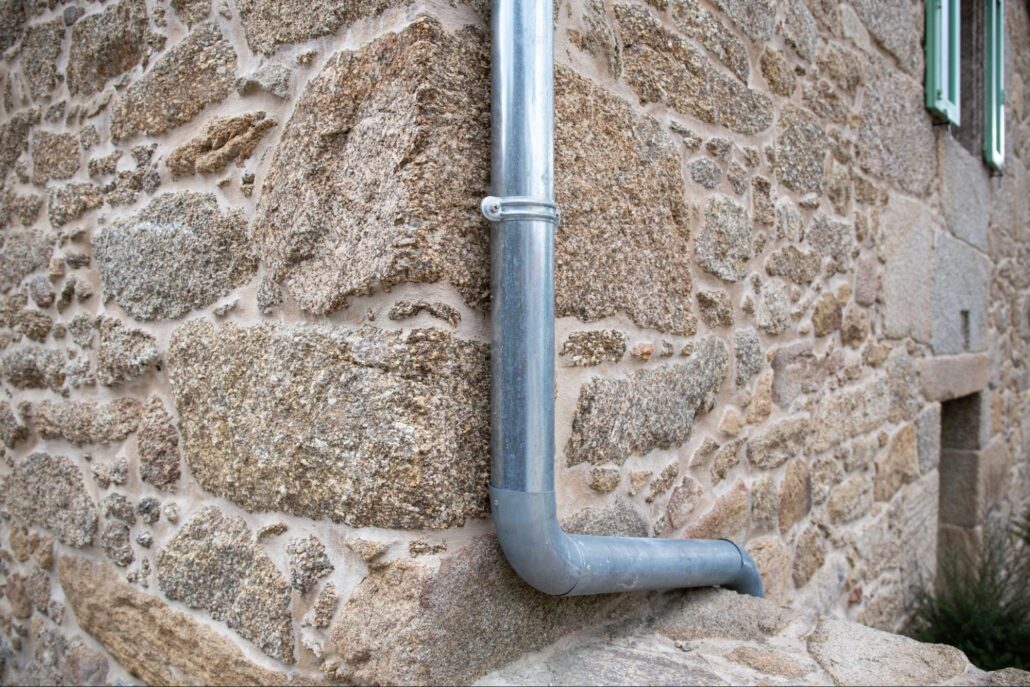
Metal downspout draining rainwater from gutter on antique stone house
Gutter Installation

How Gutter Downspouts Work

Property owners often notice water spilling over the roof edges during heavy rain. That moment raises concern about hidden damage forming around the structure. Poor drainage can lead to foundation cracks, soil erosion, and interior moisture issues. Many systems fail not from age, but from overlooked design and maintenance gaps. A clear understanding of gutter downspouts helps prevent these costly problems. What Do Gutter Downspouts Do? Gutter downspouts are vertical drainage pipes that move rainwater from gutters to the ground. These systems guide water away from walls and foundations to reduce structural stress. Property owners rely on this system to control runoff during storms and heavy rainfall. This explanation sets the foundation for understanding how proper drainage protects long-term property value. Purpose of Gutter Downspouts  Gutter downspouts carry collected rainwater from the roof edge down to a safe discharge point. This controlled flow reduces water buildup near the foundation and limits soil saturation. When water accumulates near walls, it increases the pressure on the structure and weakens the materials over time. Downspouts redirect that flow outward, which helps maintain stable ground conditions. This function supports long-term durability by reducing moisture exposure. Property owners benefit from fewer repair issues when the system works as intended. How Downspouts Fit Gutter Systems A gutter system collects rainwater and channels it toward designated outlets along the roofline. Downspouts connect to those outlets and move water downward through vertical pipes. This connection ensures continuous flow without interruption or overflow. When each part aligns correctly, the system handles heavy rainfall more effectively. This setup depends on proper slope and placement to avoid water pooling. Property owners often overlook this relationship, yet it determines overall system performance. How Gutter Downspouts Work Gutter downspouts work by using gravity to move water from higher surfaces to ground level. This system relies on proper alignment, slope, and pipe size to maintain steady flow. Water travels through a defined path that prevents overflow and structural exposure. This process explains why even small installation errors can affect drainage efficiency. Step-By-Step Water Flow Process During storms, rainwater lands on the roof and flows toward the edges. Gutters collect that water and guide it toward outlet openings along the structure. Downspouts then carry the water downward through vertical channels with consistent pressure. At the base, extensions or splash blocks push water away from the foundation. This sequence reduces the risk of pooling and erosion near the home. Property owners can trace issues by following this clear water path. Gravity and Slope in Drainage Systems Gravity drives water downward through the downspout without mechanical force. The gutter slope efficiently directs water toward the downspout openings. If the slope is too flat, water may collect and overflow during heavy rain. If the slope is too steep, water may move too quickly and miss proper channels. This balance keeps the flow steady and controlled throughout the system. Proper alignment supports consistent drainage under varying weather conditions. Design Factors That Affect Performance Downspout size determines how much water the system can handle at once. Larger roof areas require wider pipes to manage increased runoff volume. The number of downspouts also affects how evenly water is distributed across the system. This design choice reduces strain on individual sections during storms. Material type influences durability and internal flow resistance over time. These combined factors shape how well the system performs under pressure. Parts of Gutter Downspout Systems Gutter downspout systems include several connected components that manage water flow. Each part works together to guide water safely away from the structure. Missing or damaged components can disrupt this process and lead to overflow. Knowing the parts helps property owners understand how each element contributes to performance. Gutters, Elbows, and Extensions Gutters collect water along the roof edge and direct it toward outlet points. Elbows connect the gutter opening to the vertical downspout pipe at an angle. These angled pieces help the system adapt to the building’s shape and layout. Extensions attach at the bottom and push water farther from the foundation. This extension reduces the chance of water pooling near structural walls. Each part plays a role in maintaining a controlled drainage path. Splash Blocks and Drainage Points Splash blocks sit beneath downspouts to spread water across a wider surface area. This spread reduces soil erosion and limits water concentration in one spot. Some systems connect to underground drainage lines for better water control. These lines move water to designated areas away from the structure. This setup improves long-term drainage performance and reduces maintenance needs. Property owners gain better control over runoff with these added features. Materials Used in Downspouts Downspouts come in materials such as aluminum, vinyl, steel, and copper. Aluminum offers a balance between durability and cost, making it a common choice. Vinyl resists corrosion but may weaken under extreme weather conditions. Steel provides strength but requires protection against rust over time. Copper offers a long lifespan and visual appeal, though it costs more upfront. This material choice affects maintenance needs and overall system lifespan. Common Gutter Downspout Issues Gutter downspouts often develop issues from debris, wear, or poor installation. These problems can reduce drainage efficiency and increase structural risk. Early detection helps prevent more complex and costly repairs later. This section outlines the most frequent issues property owners encounter. Clogs and Debris Buildup Problems Leaves, dirt, and twigs often collect inside gutters and downspouts over time. This buildup blocks water flow and creates pressure within the system. When water cannot pass through, it spills over and damages nearby surfaces. Overflow can affect siding, landscaping, and foundation stability. Regular cleaning helps prevent these blockages from forming. Property owners can also install guards to reduce debris entry. Leaks and Loose Joint Connections Downspouts consist of multiple sections joined together along their length. Over time, these joints may loosen or develop small gaps. Water escaping from these points can stain walls and weaken materials. Even small leaks can lead to long-term moisture problems. This issue requires sealing joints and securing

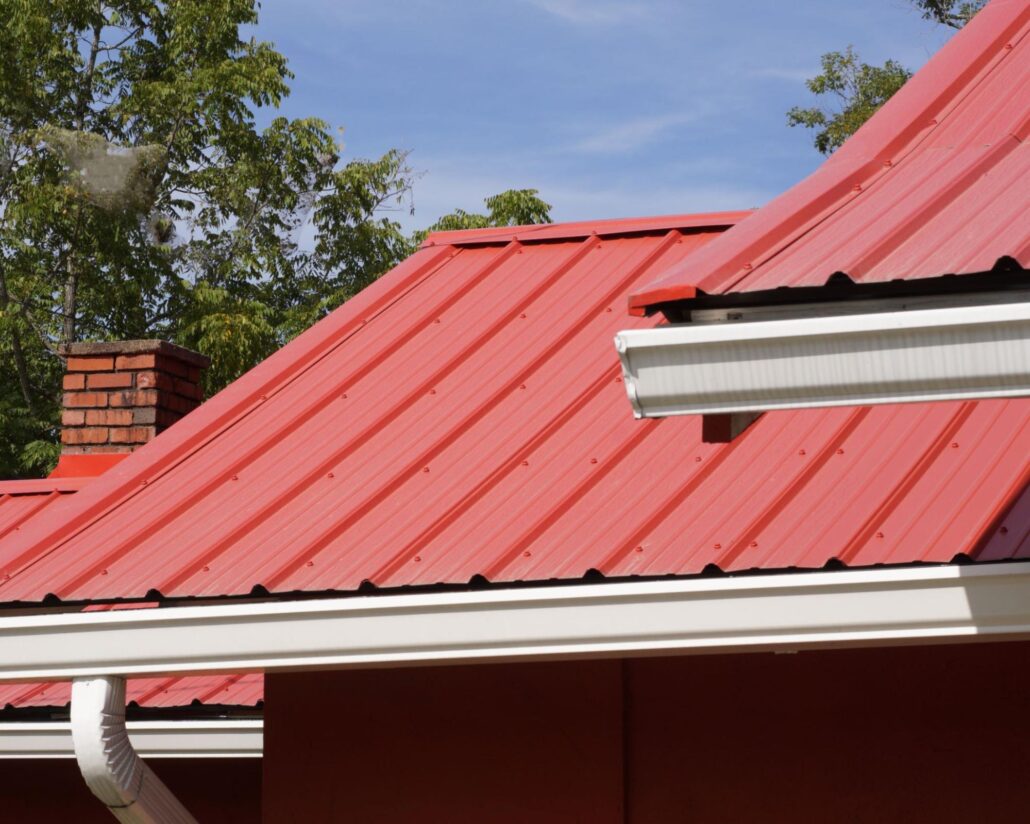
Close-up of a red metal roof featuring a seamless gutter system for efficient rainwater drainage
Gutter Installation, Lake Havasu City

Is a Seamless Gutter Right for You?

Rainwater problems often start small but quickly lead to costly repairs around your home. Many property owners deal with leaks, clogs, and the need for frequent gutter maintenance. These issues prompt homeowners to consider more durable, efficient drainage solutions. Modern gutter designs offer a cleaner approach with fewer weak points and better performance. The right choice depends on your home’s structure, climate, and long-term maintenance goals. What is a Seamless Gutter System? A seamless gutter system uses a single, continuous piece of material to effectively manage rainwater. This design reduces joints that often cause leaks and structural wear over time. Property owners choose this system for improved durability and consistent water flow. Understanding how this system works helps you decide if it fits your property needs. How Seamless Gutters Are Made Installers fabricate these gutters on-site using machines that shape metal into long sections. They carefully measure your roofline to ensure a precise fit for your home. This approach creates a continuous structure that minimizes the number of connection points across the system. Aluminum remains a popular choice because it resists rust and stays lightweight. Copper and steel options also appeal to homeowners seeking durability or a distinct finish. This fabrication method improves performance by limiting areas where leaks typically develop. Seamless vs. Sectional Gutters Traditional sectional systems rely on multiple connected pieces along the roofline. These connections often weaken under changing weather conditions and daily wear. Small gaps can form over time, allowing water to escape and cause damage. A continuous design reduces these risks by limiting weak points. This structure improves strength and supports better water flow during heavy rainfall. Many homeowners upgrade after facing repeated repairs with older systems. Gutter Sizing and Capacity Matters A seamless gutter system must match your roof size and rainfall intensity to perform effectively. Many homes use standard sizes that cannot handle heavy downpours, which leads to overflow issues. Larger systems, such as six-inch gutters, carry more water and reduce strain during storms. This sizing choice helps protect your siding, foundation, and landscaping from avoidable water damage. Roof pitch also affects how quickly water enters the gutter system during rainfall. Installers evaluate these factors to recommend the right size for your property. This careful sizing approach improves performance and reduces the risk of overflow during intense weather. Benefits of Seamless Gutter Systems Seamless gutter systems improve water management by reducing leaks and maintenance needs. Property owners benefit from consistent drainage that protects foundations and exterior surfaces. This system also enhances curb appeal through a clean, streamlined appearance. These combined advantages make seamless gutters a practical long-term investment. Fewer Leaks and Better Drainage A continuous structure reduces leaks by eliminating frequent joints where water can escape. Rainwater moves smoothly through the system without interruptions that slow down the flow. Proper drainage helps protect your foundation from pooling water and soil erosion. This protection reduces the likelihood of cracks and long-term structural concerns. During intense storms, a steady flow prevents overflow that can damage siding or landscaping. Many homeowners notice improved performance after switching to this type of system. Lower Maintenance Needs Debris collects less when the gutter path remains uninterrupted. Leaves and dirt move more freely, reducing the risk of clogs. This design lowers the frequency of gutter cleaning tasks throughout the year. Fewer weak points also mean fewer repairs caused by separation or leakage. Over time, this reliability helps reduce both maintenance effort and costs. Property owners appreciate the consistent performance and the lower upkeep required. Improved Home Appearance A smooth, continuous gutter line creates a more refined look along the roof edge. This appearance blends naturally with both modern and traditional home styles. Many providers offer color-matching options to complement siding and trim. This upgrade enhances curb appeal without requiring major exterior changes. Potential buyers often view updated drainage systems as a valuable feature. A well-installed system contributes to a cleaner and more polished exterior. Protecting Roof and Fascia Health A seamless gutter system helps protect the roof edge and fascia boards from ongoing moisture exposure. Water that spills over or backs up can damage these areas, leading to rot or mold growth. Proper drainage keeps water from moving toward critical structural components. This protection extends the lifespan of both your roofline and exterior framework. Fascia boards support the gutter system, so keeping them dry maintains structural stability. Consistent water flow also reduces the risk of hidden damage beneath roofing materials. This added layer of protection supports long-term property maintenance and value. Downsides of Seamless Gutters Seamless gutters offer clear advantages, but they also come with a few limitations. Property owners should consider these factors before making a decision. This balanced view helps avoid unexpected costs or installation challenges. Knowing both benefits and drawbacks leads to a more informed choice. Higher Installation Cost Custom fabrication and skilled labor increase the upfront cost of installation. Specialized equipment increases overall costs compared to traditional systems. This investment may seem high at first for many property owners. However, reduced maintenance and fewer repairs can offset costs over time. Many homeowners recognize the long-term value despite the higher starting price. Budget planning helps determine if this option aligns with financial goals. Requires Professional Installation Proper installation depends on trained gutter professionals with the right tools and experience. Standard DIY methods cannot achieve the precision required for this system. An incorrect setup can lead to poor drainage and premature wear. Hiring a qualified contractor helps prevent these issues and supports long-term performance. Many professionals also offer warranties that protect your investment. This added protection provides confidence in the system’s reliability. Repairs Can Be More Complex Damage can still occur from debris impact or severe weather conditions. Fixing a problem often involves replacing a larger section rather than a small piece. This repair approach may increase costs compared to sectional systems. However, issues tend to occur less frequently due to the durable design. Regular inspections help identify minor problems before they grow. Proper upkeep supports long-lasting

Overhead view of the base of a red brick wall showing two metal downspouts and a small drainage pit
Gutter Installation

The Role of a Downspout in Your Roof Drainage System

Every homeowner wants their property to withstand the most brutal weather without damage. Yet, few realize how much depends on one small but crucial part of the drainage system—the downspout. When heavy rain hits, downspouts guide water safely away from your foundation and walls, protecting your home’s integrity. Ignoring them can lead to costly repairs that could have been avoided with the proper setup and care. Understanding the Purpose of a Downspout A downspout is the vertical pipe connected to your gutter that channels rainwater from the roof to the ground. It prevents overflow and directs water away from your home’s base, reducing the risk of erosion or flooding. Water collects near the foundation without it, creating cracks, leaks, and mold. A properly installed downspout keeps your home stable, dry, and protected through every storm. How Downspouts and Gutters Work Together Downspouts and gutters function as one system to manage roof runoff effectively. The gutter collects water flowing down the shingles, then feeds it into the downspout through an outlet opening. Gravity moves the water through the pipe until it exits near the ground or into a drainage line. Water can overflow or leak along the walls when gutters clog or slope incorrectly. Keeping both components clear and well-fitted maintains steady water flow and prevents long-term damage. Common Downspout Materials and Their Benefits Downspouts are available in aluminum, vinyl, copper, and steel, each offering unique advantages. Aluminum resists rust and remains lightweight, while vinyl provides an affordable, easy-to-install option. Copper and galvanized steel offer superior durability and add a polished aesthetic that enhances curb appeal. Selecting the right material depends on your region’s weather and your home’s style. Regular inspection and maintenance help extend the lifespan of whichever option you choose. Standard Downspout Sizes and Shapes Downspouts are rectangular, round, and corrugated to fit different architectural designs. Round downspouts are standard in traditional homes, while rectangular types suit modern styles. The width and diameter determine how much water they can carry during heavy rainfall. Homes with large roof areas benefit from wider pipes with higher flow rates. Choosing the correct size ensures efficient drainage and prevents overflow during storms. Importance of Proper Downspout Installation Correct installation determines how efficiently your drainage system performs over time. Each downspout must align perfectly with the gutter to prevent leaks or overflow. Poor installation often leads to water pooling near the foundation or eroding the soil. A professional installation ensures proper slope, sealing, and outlet placement for reliable water flow. Signs of Poor Downspout Installation Homeowners can spot bad installation through several clear indicators. Water stains on exterior walls suggest leaks or overflow at the joints. Gurgling sounds during rain may mean an improper slope or trapped air pockets. Puddles forming near the foundation indicate the outlet is too close to the house. Fixing these issues quickly prevents structural damage, mold, and landscape erosion that develop over time. Best Placement Practices for Downspouts Placement directly affects how efficiently water drains away from your property. Downspouts should be installed at every corner, around 30 to 40 feet apart. The discharge end should extend at least six feet from the foundation to prevent seepage. Sloping the extension away from the house keeps water moving safely. Following these practices ensures balanced and dependable drainage performance. Why Professional Installation Matters Hiring a qualified installer ensures your downspout functions as intended. Professionals calculate roof slope, assess water flow, and position outlets for maximum efficiency. They use high-quality sealants and connectors to prevent future leaks. Doing the job yourself can save money upfront, but may result in misalignment or poor drainage. Investing in professional services guarantees accuracy, longevity, and peace of mind. Downspout Extensions and Drainage Solutions Downspout extensions help carry rainwater farther from your foundation, reducing flooding and soil erosion. They come in several styles, each suited for different property layouts. Choosing the right type depends on your yard’s slope and the space for water to disperse. These simple upgrades make a significant difference in protecting your property. Surface Extensions and Splash Blocks Surface extensions attach to the end of your downspout and guide water away from your home. Concrete or plastic splash blocks prevent soil displacement at the discharge point. These two options are affordable, simple to install, and effective for most residential settings. However, they must be checked periodically for alignment or blockages. Consistent upkeep keeps the water path clear and prevents overflow near your home. Underground Drainage Systems Underground systems discreetly manage rainwater by channeling it through buried pipes. These connect to the downspout outlet and direct water to dry wells or French drains. This method reduces surface runoff and preserves your yard’s appearance. It also prevents trip hazards caused by exposed extensions. Though installation costs more, the system provides lasting efficiency and a cleaner landscape. Flexible and Collapsible Downspout Extensions Flexible extensions are lightweight, adaptable, and ideal for areas with uneven ground. They can be adjusted or extended to meet changing seasonal needs. Collapsible designs retract when not used, making them great for compact spaces. These versions are popular among homeowners who need temporary but reliable drainage solutions. Their portability and ease of use make them an excellent investment for versatile water control. Maintaining Downspouts for Reliable Performance Consistent maintenance keeps your drainage system strong and dependable. Neglecting it can lead to clogs, leaks, or corrosion that cost more to fix later. Cleaning twice yearly and inspecting for loose joints or rust prevents larger problems. Simple upkeep steps keep your downspouts flowing freely and your home protected. How to Clean and Clear Downspouts Debris like leaves and twigs often collects inside gutters and flows into downspouts. Begin gutter cleaning by removing visible debris and flushing the system with a garden hose. Use a plumber’s snake or wet vacuum attachment to clear blockages for deep clogs. Wear gloves and stay cautious on ladders during maintenance. Doing this at least twice yearly ensures smooth water flow and prevents overflow during storms. Seasonal Downspout Inspections Each season

In Business Since 1986

© 2025 Quality Rain Gutters Inc. | All Rights Reserved. | Digital Marketing by BrandRep | Website Hosting by SkyPoint Studios
Scroll to Top