Property owners often notice water spilling over the roof edges during heavy rain. That moment raises concern about hidden damage forming around the structure. Poor drainage can lead to foundation cracks, soil erosion, and interior moisture issues. Many systems fail not from age, but from overlooked design and maintenance gaps. A clear understanding of gutter downspouts helps prevent these costly problems.
What Do Gutter Downspouts Do?
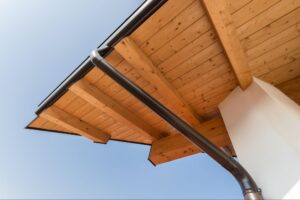
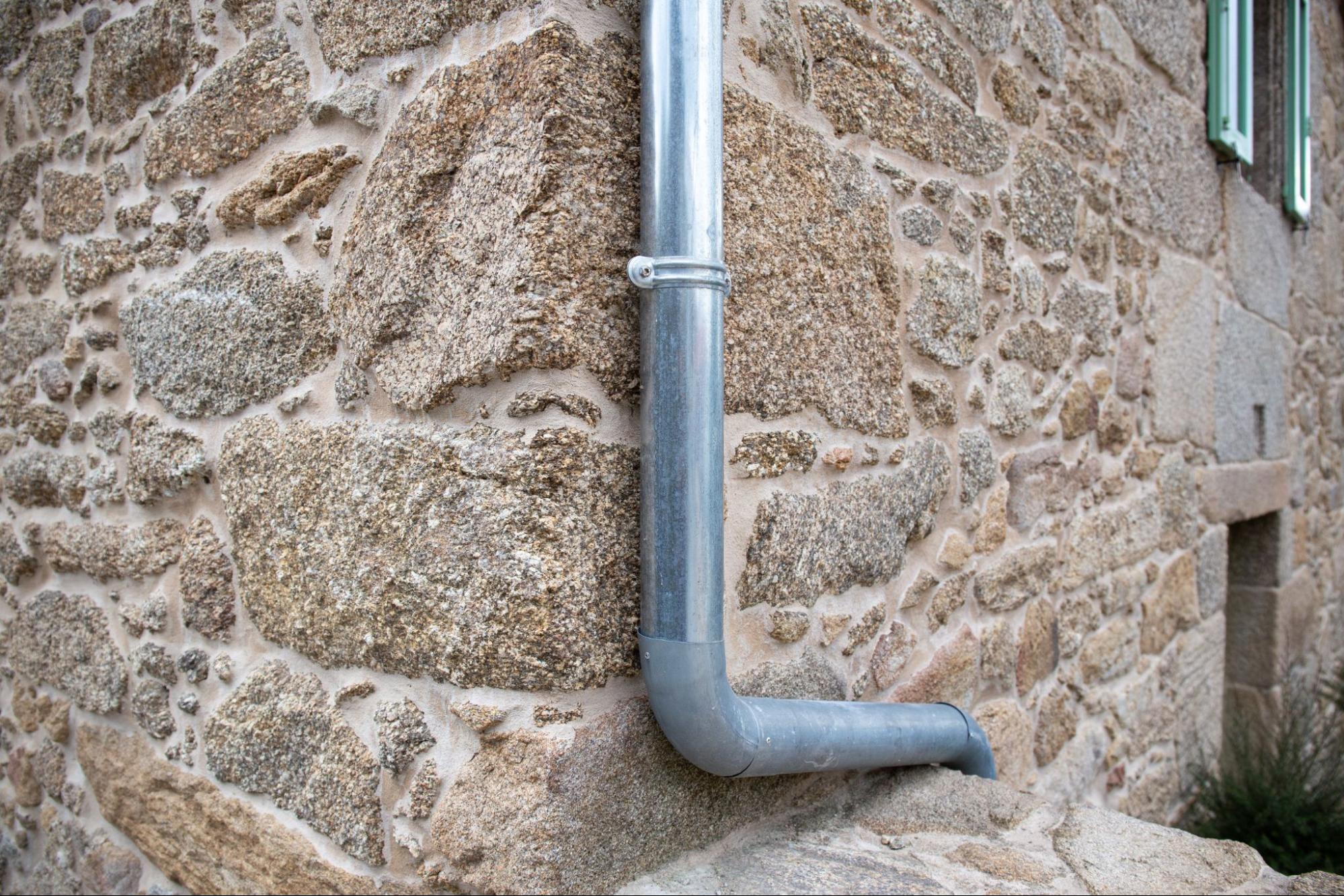
Gutter downspouts are vertical drainage pipes that move rainwater from gutters to the ground. These systems guide water away from walls and foundations to reduce structural stress. Property owners rely on this system to control runoff during storms and heavy rainfall. This explanation sets the foundation for understanding how proper drainage protects long-term property value.
Purpose of Gutter Downspouts
Gutter downspouts carry collected rainwater from the roof edge down to a safe discharge point. This controlled flow reduces water buildup near the foundation and limits soil saturation. When water accumulates near walls, it increases the pressure on the structure and weakens the materials over time. Downspouts redirect that flow outward, which helps maintain stable ground conditions. This function supports long-term durability by reducing moisture exposure. Property owners benefit from fewer repair issues when the system works as intended.
How Downspouts Fit Gutter Systems
A gutter system collects rainwater and channels it toward designated outlets along the roofline. Downspouts connect to those outlets and move water downward through vertical pipes. This connection ensures continuous flow without interruption or overflow. When each part aligns correctly, the system handles heavy rainfall more effectively. This setup depends on proper slope and placement to avoid water pooling. Property owners often overlook this relationship, yet it determines overall system performance.
How Gutter Downspouts Work
Gutter downspouts work by using gravity to move water from higher surfaces to ground level. This system relies on proper alignment, slope, and pipe size to maintain steady flow. Water travels through a defined path that prevents overflow and structural exposure. This process explains why even small installation errors can affect drainage efficiency.
Step-By-Step Water Flow Process
During storms, rainwater lands on the roof and flows toward the edges. Gutters collect that water and guide it toward outlet openings along the structure. Downspouts then carry the water downward through vertical channels with consistent pressure. At the base, extensions or splash blocks push water away from the foundation. This sequence reduces the risk of pooling and erosion near the home. Property owners can trace issues by following this clear water path.
Gravity and Slope in Drainage Systems
Gravity drives water downward through the downspout without mechanical force. The gutter slope efficiently directs water toward the downspout openings. If the slope is too flat, water may collect and overflow during heavy rain. If the slope is too steep, water may move too quickly and miss proper channels. This balance keeps the flow steady and controlled throughout the system. Proper alignment supports consistent drainage under varying weather conditions.
Design Factors That Affect Performance
Downspout size determines how much water the system can handle at once. Larger roof areas require wider pipes to manage increased runoff volume. The number of downspouts also affects how evenly water is distributed across the system. This design choice reduces strain on individual sections during storms. Material type influences durability and internal flow resistance over time. These combined factors shape how well the system performs under pressure.
Parts of Gutter Downspout Systems
Gutter downspout systems include several connected components that manage water flow. Each part works together to guide water safely away from the structure. Missing or damaged components can disrupt this process and lead to overflow. Knowing the parts helps property owners understand how each element contributes to performance.
Gutters, Elbows, and Extensions
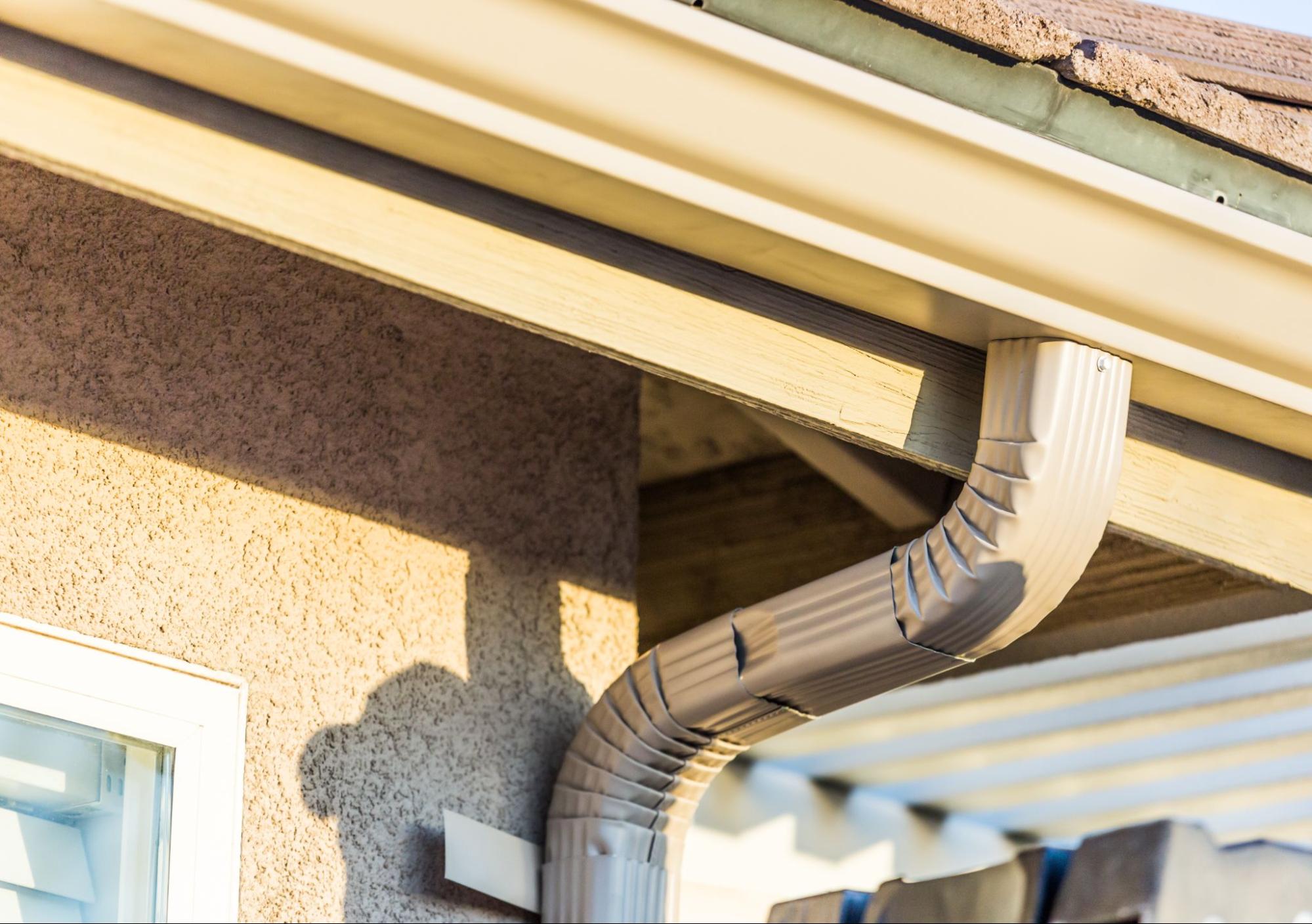
Gutters collect water along the roof edge and direct it toward outlet points. Elbows connect the gutter opening to the vertical downspout pipe at an angle. These angled pieces help the system adapt to the building’s shape and layout. Extensions attach at the bottom and push water farther from the foundation. This extension reduces the chance of water pooling near structural walls. Each part plays a role in maintaining a controlled drainage path.
Splash Blocks and Drainage Points
Splash blocks sit beneath downspouts to spread water across a wider surface area. This spread reduces soil erosion and limits water concentration in one spot. Some systems connect to underground drainage lines for better water control. These lines move water to designated areas away from the structure. This setup improves long-term drainage performance and reduces maintenance needs. Property owners gain better control over runoff with these added features.
Materials Used in Downspouts
Downspouts come in materials such as aluminum, vinyl, steel, and copper. Aluminum offers a balance between durability and cost, making it a common choice. Vinyl resists corrosion but may weaken under extreme weather conditions. Steel provides strength but requires protection against rust over time. Copper offers a long lifespan and visual appeal, though it costs more upfront. This material choice affects maintenance needs and overall system lifespan.
Common Gutter Downspout Issues
Gutter downspouts often develop issues from debris, wear, or poor installation. These problems can reduce drainage efficiency and increase structural risk. Early detection helps prevent more complex and costly repairs later. This section outlines the most frequent issues property owners encounter.
Clogs and Debris Buildup Problems
Leaves, dirt, and twigs often collect inside gutters and downspouts over time. This buildup blocks water flow and creates pressure within the system. When water cannot pass through, it spills over and damages nearby surfaces. Overflow can affect siding, landscaping, and foundation stability. Regular cleaning helps prevent these blockages from forming. Property owners can also install guards to reduce debris entry.
Leaks and Loose Joint Connections
Downspouts consist of multiple sections joined together along their length. Over time, these joints may loosen or develop small gaps. Water escaping from these points can stain walls and weaken materials. Even small leaks can lead to long-term moisture problems. This issue requires sealing joints and securing connections during inspections. Addressing leaks early helps avoid more serious structural issues.
Improper Installation Concerns
Incorrect placement can affect how water flows through the system. Downspouts placed too far apart may struggle during heavy rainfall. Poor alignment can slow water movement or cause backups in the system. In some cases, water may flow toward the structure instead of away from it. This installation error increases the risk of foundation damage over time. Proper planning and accurate setup improve system reliability.
Signs Your Downspouts Need Attention
Water pooling near the foundation often signals drainage problems. Overflowing gutters during storms indicate blockage or insufficient capacity. Stains on siding may reveal leaks or poor water direction. Soil erosion near the base suggests uneven water distribution. This observation helps property owners identify issues before they worsen. Regular checks reduce the risk of long-term damage.
Maintaining Gutter Downspouts
Gutter downspouts require regular maintenance to function efficiently. Routine care helps prevent blockages and extends the lifespan of the system. Neglect can lead to reduced performance and costly repairs over time. This maintenance approach supports consistent drainage year-round.
Effective Cleaning Methods
Gutter cleaning begins with removing debris from the gutter system. This step prevents clogs from entering the downspouts. A garden hose can flush remaining dirt through the pipes effectively. For tougher blockages, a plumbing snake can clear the passage. Regular cleaning reduces strain on the entire drainage system. Property owners benefit from smoother water flow during storms.
Seasonal Inspection Best Practices
Seasonal inspections help identify wear and potential issues early. Spring checks often reveal damage from winter weather conditions. Fall inspections prepare the system for heavy leaf buildup. During checks, look for loose brackets and disconnected joints. This inspection process also includes checking for rust, cracks, or sagging sections. Regular inspections maintain system reliability over time.
Preventive Maintenance Tips
Installing gutter guards reduces the amount of debris entering the system. Trimming nearby trees limits leaf buildup during windy conditions. Securing brackets keeps downspouts aligned and stable. Sealing joints prevents leaks and water escape. This preventive care reduces the need for frequent repairs. Property owners gain better long-term performance with consistent upkeep.
How to Improve Gutter Downspout Efficiency
Gutter downspouts can perform better with simple upgrades and adjustments. Improved drainage reduces stress on both the system and the structure. Small changes can lead to noticeable improvements during heavy rainfall. Below are practical ways to enhance system performance.
Improve Drainage With Downspout Extensions
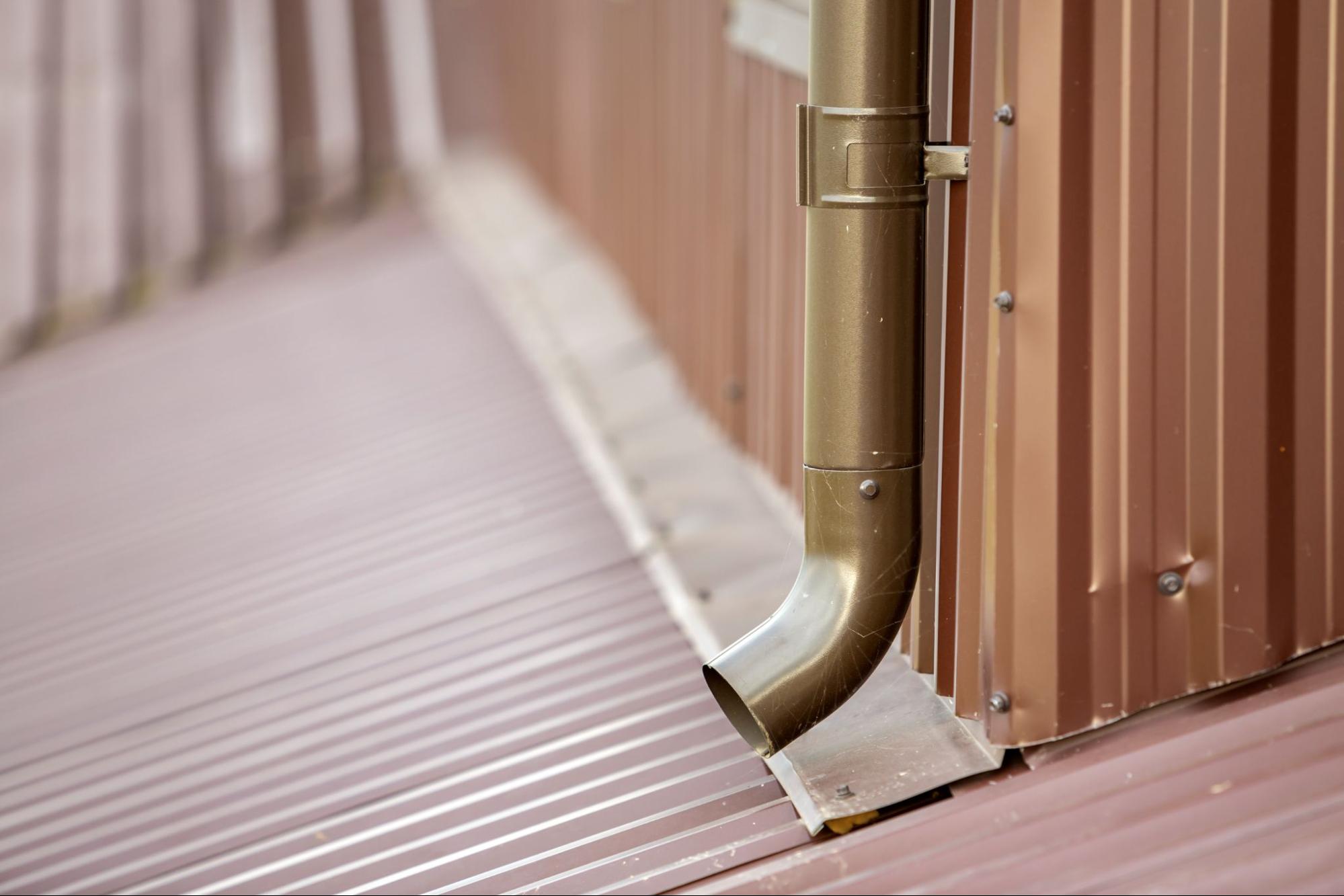
Extensions move water farther away from the foundation. This distance reduces soil saturation near structural walls. Flexible extensions allow adjustment based on landscape layout. Underground drainage systems provide a more permanent solution. These systems direct water to safe discharge areas away from the home. Property owners benefit from improved water control and reduced erosion.
Increase Downspout Flow Capacity
Larger downspouts handle higher water volumes during storms. Adding more downspouts distributes flow more evenly across the system. Seamless gutters reduce leaks and improve overall efficiency. Upgrading materials can extend the system’s lifespan. This improvement supports better performance under demanding conditions. Property owners experience fewer drainage issues with these upgrades.
Choosing Gutter Downspouts for Homes
Gutter downspouts must match the property’s size and drainage needs. Proper selection improves efficiency and reduces maintenance demands. Poor choices often lead to recurring issues and reduced performance. This guidance helps property owners make informed decisions.
Sizing and Placement Guidelines
Downspout size should match the roof area it serves. Larger roofs require wider pipes to handle increased water flow. Placement should allow even distribution along the structure. Positioning near corners often improves drainage coverage. This layout reduces strain on individual downspouts during storms. Proper sizing and placement create a stable drainage system.
Design and Exterior Compatibility
Downspouts come in styles that match different exterior designs. Color options allow them to blend with siding or trim. Decorative designs can improve visual appeal while maintaining function. Shape variations offer different aesthetic effects for property owners. This design choice supports both function and appearance. A balanced selection improves overall curb appeal.
Professional vs DIY Installation
Professional installation provides accuracy and long-term reliability. Experts understand slope, spacing, and alignment requirements. DIY installation may reduce upfront costs, but carries the risk of errors. An incorrect setup often leads to future repairs and added expense. This decision depends on budget, skill level, and project complexity. Property owners should weigh these factors carefully.
Reinforce Your Gutter Downspout Setup
Gutter downspouts determine how well your property handles water in every season. Small improvements in placement, maintenance, and materials can prevent hidden damage from developing over time. This approach focuses on staying ahead of issues before they affect your foundation or exterior surfaces. A reinforced downspout system, supported by a professional gutter company, helps maintain long-term stability and protects your property’s value.
Visit the Quality Rain Gutters, Inc. blog for clear answers, helpful tips, and reliable advice that supports better gutter system decisions.