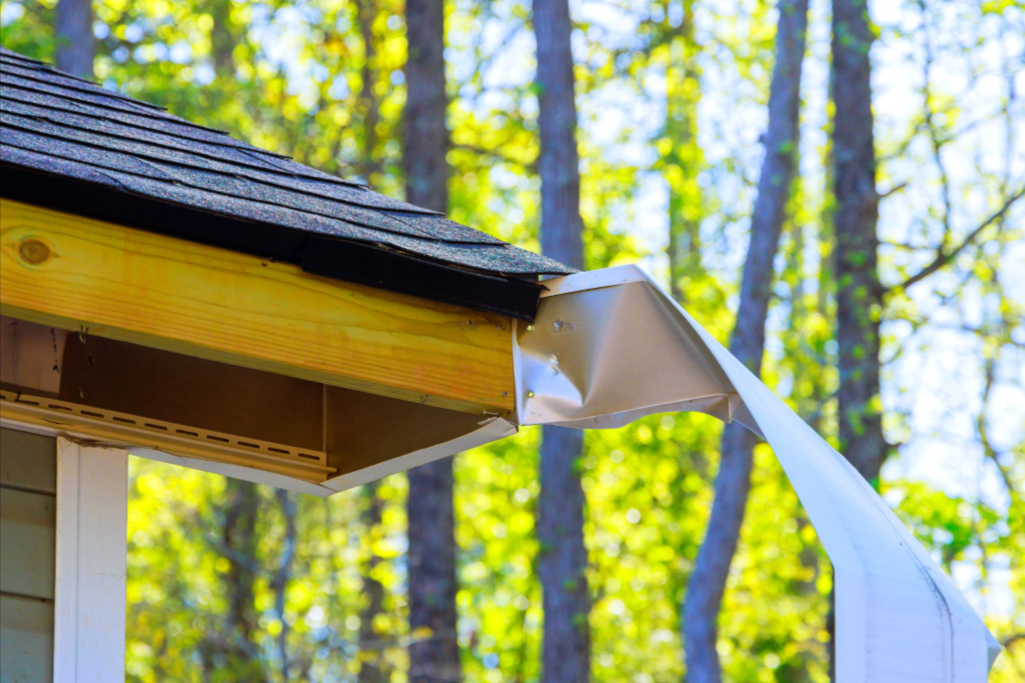
A detached gutter often appears without warning, yet damage builds quietly along your home’s edges. Water spills over instead of draining properly, weakening surfaces that should remain dry. Many property owners notice the issue only after stains or cracks begin to spread. Small shifts in alignment can lead to costly structural problems if ignored. Understanding how to manage a detached gutter helps protect your property and maintain its long-term value.
Causes of a Detached Gutter System
Gutter detachment usually stems from a mix of environmental stress and structural wear. The following reasons explain why gutters pull away and how those causes develop over time. Property owners who understand these factors can respond with better repair decisions. Clear awareness helps you reduce the likelihood of recurring issues after fixing the problem.
Weather Stress and Gutter Damage
Weather stress places continuous pressure on gutters, especially during heavy rain or snow. Rainwater collects quickly and adds weight that weak brackets may not support. Ice buildup expands and contracts, loosening fasteners and shifting alignment. Strong winds can pull already weakened sections further away from the roof edge. Over time, these combined forces reduce the system’s stability and increase the risk of detachment. This environmental impact often becomes more noticeable during seasonal changes, particularly during frequent storms.
Aging Materials and Wear Over Time
Material wear causes gutters to lose strength after years of exposure to outdoor conditions. Metal gutters may rust, while vinyl systems can crack or warp in hot weather. Fasteners also loosen as surrounding materials weaken and shift. Small fractures expand gradually, reducing the system’s ability to remain attached. This natural aging process affects even well-maintained systems over time. Property owners should expect some deterioration as materials reach the end of their lifespans.
Poor Installation and Weak Supports
Improper gutter installation often leads to early gutter detachment, even under normal conditions. Brackets placed too far apart fail to evenly support the system. An incorrect slope prevents proper drainage and adds stress to certain sections. Low-quality fasteners may not hold securely against weather changes. This installation issue often goes unnoticed until visible sagging appears. Property owners benefit from reviewing installation quality when repeated problems occur.
Fascia Board Damage from Gutters
Fascia boards support gutters and often sustain hidden damage when they detach. Weakened fascia directly reduces gutter stability and compromises long-term performance. Property owners often overlook this structural component during repairs. Ignoring fascia damage can lead to repeated gutter failure even after proper reattachment.
How Fascia Boards Support Gutters
Fascia boards run along the roof edge and provide a mounting surface for gutters. These boards hold brackets and fasteners that keep the system in place. When gutters detach, the fascia often carries the underlying stress or damage. Moisture exposure weakens wood fibers and reduces holding strength over time. This structural role makes fascia boards essential for proper gutter function. Property owners should inspect this area closely during any gutter repair.
Signs of Fascia Rot and Weakness
Fascia damage often appears as soft spots, peeling paint, or visible cracks. Wood may feel spongy when pressed, which indicates internal rot. Discoloration or mold growth also signals prolonged moisture exposure. Nails and screws may loosen as the material loses strength. This deterioration reduces the fascia’s ability to hold gutter fasteners securely. Property owners should treat these signs as a warning of deeper structural issues.
Repair or Replace Damaged Fascia
Gutter repair is effective when damage is limited to small, localized sections. Minor rot can sometimes be reinforced with fillers or protective coatings. Replacement becomes necessary when large portions show weakness or decay. New fascia boards provide a stronger base for reattaching gutters. This replacement step prevents recurring detachment caused by unstable support. Property owners benefit from addressing fascia issues before reinstalling any gutter components.
Tools for Detached Gutter Repair
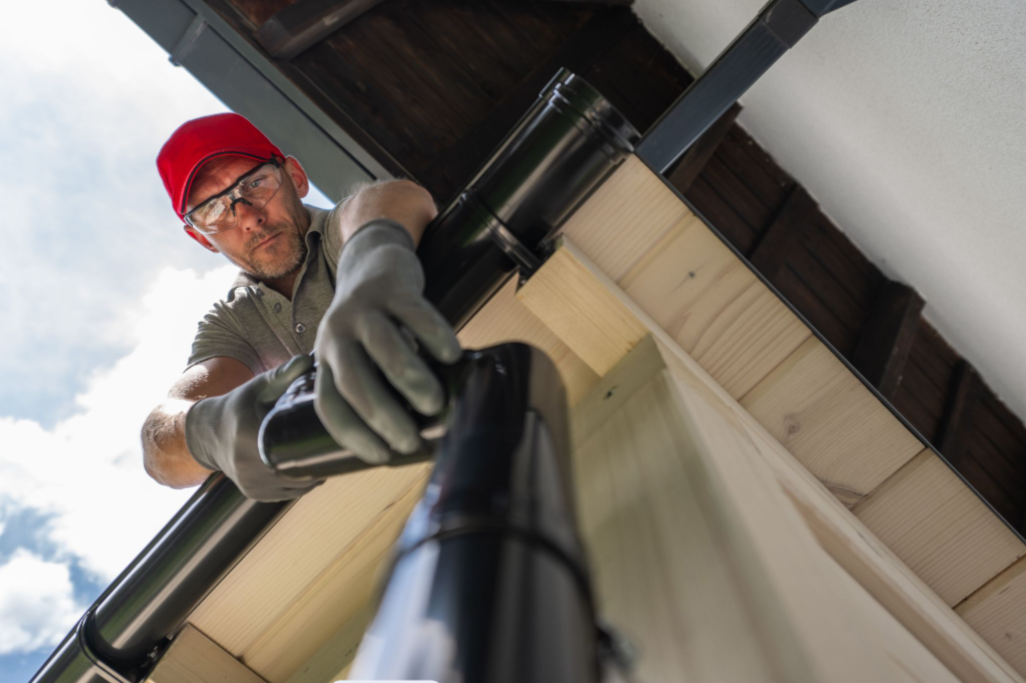
Proper tools make gutter repair more efficient and reliable. The right equipment supports safe, accurate work and helps prevent common repair mistakes. Preparation helps avoid delays and reduces the risk of incomplete fixes. Property owners who gather the right tools can handle repairs with greater confidence.
Essential Tools for Gutter Fixing
Basic tools support safe and accurate gutter repair work. A sturdy ladder provides access to elevated sections without unnecessary risk. Gloves protect hands from sharp edges and debris during handling. A drill or screwdriver allows fasteners to be installed securely. Measuring tools help maintain proper spacing and alignment. This tool selection creates a stable foundation for completing the repair process.
Choosing Gutter Parts and Fasteners
Selecting the right parts supports long-lasting gutter performance. Brackets and hangers should match the existing gutter system design. Screws must be strong enough to hold under changing weather conditions. Sealants help close gaps and prevent leaks along joints. Replacement sections may be needed if damage extends beyond a small area. This selection improves durability and reduces the risk of recurring issues.
Steps to Fix a Detached Gutter
Fixing a detached gutter requires a structured approach that restores proper alignment. A clear, step-by-step process helps achieve a reliable, lasting repair. Careful execution improves both performance and durability. Property owners who follow these steps can avoid recurring problems.
Inspect Damage and Prep the Area
Inspection identifies the extent of damage before repairs begin. Check the gutters, fascia boards, and nearby areas for visible issues. Remove debris to create a clean working area and improve visibility. Cleaning allows accurate alignment during reattachment. Look for hidden damage that could affect long-term stability. This inspection step prevents overlooking problems that could lead to future detachment.
Reattach and Align the Gutter
Reattaching the gutter involves securing it at the correct angle and position. Install brackets at consistent intervals to evenly distribute weight. Tighten fasteners firmly without damaging the surrounding structure. Maintain a slight slope so water flows toward the downspout. Proper alignment prevents water from pooling in certain sections. This alignment process forms the core of a stable gutter system.
Seal Joints and Test Water Flow
Sealing joints prevents leaks and improves overall system performance. Apply sealant carefully along seams and connection points. Allow the material to set before testing the gutter system. Run water through the gutter to check for smooth drainage. Observe the flow and adjust the slope if needed for better performance. This testing step confirms the repair works as expected.
Gutter Slope and Drainage Accuracy
Gutter slope controls how water flows through the system and affects overall performance. Proper pitch prevents excess stress on fasteners and reduces the risk of detachment over time. Many gutter problems stem from poor alignment rather than weak materials. Correcting the slope improves drainage and reduces strain on the entire system.
What Proper Gutter Pitch Means
Gutter pitch is the slight angle that directs water toward the downspouts. A properly sloped gutter allows water to flow steadily without pooling. Even a small misalignment can disrupt drainage and create buildup. This positioning detail often goes unnoticed during basic repairs. Property owners should understand that slope affects both efficiency and durability. Accurate pitch helps maintain consistent water movement across the system.
Problems Caused by Incorrect Slope
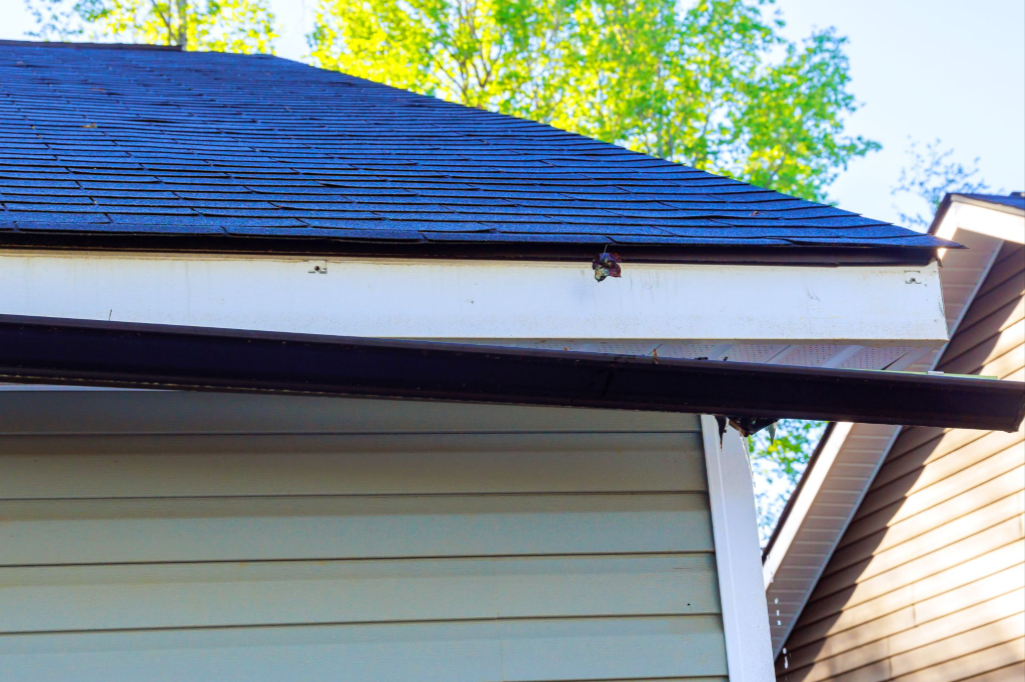
An incorrect slope leads to standing water, which adds weight to gutter sections. This extra load places strain on brackets and fasteners over time. Water may also overflow in areas where drainage slows down. Uneven flow increases the risk of detachment during heavy rainfall. This drainage issue often recurs even after reattachment if left uncorrected. Property owners may notice recurring sagging when the slope remains unbalanced.
How to Check and Adjust Gutter Slope
Checking slope involves observing how water moves through the gutter during testing. A level or measuring tool can help confirm proper alignment. Adjust brackets gradually to create a slight downward angle toward the downspout. Small changes often produce noticeable improvements in drainage. This adjustment process should follow any reattachment work for the best results. Property owners who correct the slope reduce long-term stress on the gutter system.
Repair vs. Replace Gutter Sections
Choosing between repair and replacement depends on the condition of the gutter system. Evaluating the extent of damage helps determine the most practical and cost-effective solution. Property owners can avoid repeated fixes by choosing the right approach. A careful assessment helps balance cost and long-term reliability.
When Gutter Repair is Enough
Repair works best when damage remains limited to small sections. Loose brackets or minor misalignment can often be fixed quickly. Small cracks may be sealed without replacing the entire gutter. Localized damage typically does not affect the entire system. This repair approach saves money and extends the gutter’s lifespan. Property owners should address these issues promptly to prevent further damage.
Signs You Need Gutter Replacement
Replacement becomes necessary when damage affects larger portions of the system. Extensive rust or cracking weakens the gutter beyond simple repair. Repeated detachment suggests deeper structural problems that repairs cannot fix. Sections that no longer align properly may require full replacement. Older systems may also lack compatibility with modern repair materials. This replacement decision offers a more reliable long-term solution.
Cost Factors for Property Owners
Cost depends on the extent of damage and the chosen solution. Repairs usually cost less when issues remain isolated and manageable. Replacement requires a higher investment but offers better durability over time. Material type also affects both price and performance. Labor costs vary based on the complexity of the repair or installation. This cost evaluation helps property owners make informed decisions.
Fix Detached Gutter Issues Before Spread
Fixing a detached gutter stops water damage from spreading across your property. Addressing the issue promptly helps limit damage and maintain proper drainage. Delayed action allows moisture to reach areas that require costly repairs. Property owners who respond quickly protect both structure and value. Working with experienced gutter contractors also helps secure lasting results and proper installation. A stable gutter system keeps water controlled and prevents further damage.
Take the next step toward a more reliable gutter system. Visit the Quality Rain Gutters, Inc. blog for practical insights and trusted solutions.