
Rainwater should move freely through your gutters, yet mold often disrupts that flow. Dark streaks and damp buildup signal that moisture has lingered longer than expected. That lingering moisture feeds mold, which slowly damages both gutters and nearby surfaces. Many property owners overlook these signs until clogs or stains become difficult to remove. Learning how to clean moldy gutters helps protect your home from gradual, costly damage.
Why Mold Forms in Gutters
Mold forms in gutters when moisture and organic debris remain trapped over time. Leaves, dirt, and residue accumulate, creating a damp environment that supports growth. This buildup prevents proper airflow and slows down drying after rainfall. Understanding these causes helps property owners stop mold before it spreads.
Causes of Mold in Gutters
Mold develops when gutters hold moisture and decomposing debris for extended periods. Leaves often break down into soft material that traps water and blocks drainage. That trapped moisture creates ideal conditions for mold spores to grow and spread. Shaded areas worsen the problem because sunlight cannot dry the gutter system quickly. Clogged downspouts also trap water, which increases mold growth. Regular buildup combined with poor drainage leads to persistent mold growth.
Risks of Moldy Gutters
Moldy gutters can damage both structural components and exterior surfaces of your home. Stains may spread onto siding, leaving visible marks that affect curb appeal. Over time, moisture exposure weakens fascia boards and contributes to wood rot. Water overflow can also affect your foundation by causing pooling near the base. Additionally, mold spores may circulate near entry points, affecting indoor air quality. Addressing mold reduces these risks and supports a healthier property environment.
Signs of Moldy Gutter Problems
Moldy gutters exhibit visible, functional signs that indicate they need cleaning. These warning signs often appear before serious damage occurs. Paying attention to these indicators helps you respond quickly and effectively. Recognizing these changes allows you to maintain proper drainage and structure.
Visible Mold and Mildew Signs
Mold appears as dark streaks, green patches, or black spots along gutter surfaces. These markings often form in corners where water collects and dries slowly. You may also notice a slimy or powdery texture on affected areas. Mold can spread beyond the gutter and reach nearby siding or roofing edges. These visual signs usually worsen if left untreated for long periods. Regular inspections help identify these issues before they spread.
Drainage and Structural Warning Signs
Clogged gutters often overflow during rainfall, which signals restricted water flow. Sagging sections suggest added weight from debris and trapped moisture. Water pooling near your foundation indicates poor drainage from the system. Loose joints or fasteners may result from long-term moisture exposure. Slow downspout flow often points to internal blockages that need attention. These warning signs often appear alongside mold buildup and require prompt action.
Unusual Odors Near the Gutter System
A musty or damp smell near your gutters often signals hidden mold growth. This odor develops when organic debris breaks down and stays wet for extended periods. You may notice the smell more strongly after rain or during humid conditions. In some cases, the odor can drift toward windows or entry points. This scent often indicates mold buildup that is not yet visible from the ground. Identifying this issue early helps prevent further spread and deeper contamination.
Hidden Damage Mold Leaves Behind
Mold in gutters often causes gradual damage that many property owners fail to notice at first. This buildup does more than affect appearance, as it slowly weakens surrounding materials. Moisture combined with mold creates conditions that accelerate wear across several components. Understanding these effects helps you address problems before repairs become more expensive.
Damage to Gutter Coatings and Surfaces
Mold can break down protective coatings applied to gutter surfaces over time. These coatings help prevent rust and extend the lifespan of the material. Once mold starts feeding on organic material, it creates acidic conditions that degrade this layer. As a result, exposed metal becomes more vulnerable to corrosion and staining. You may notice fading, discoloration, or rough patches forming along the gutter channel. This surface damage often worsens if cleaning is delayed.
Impact on Fascia and Roof Edges
Moldy gutters often transfer moisture to nearby fascia boards and roof edges. This moisture can seep into wood, causing gradual deterioration. Over time, the affected wood may soften and begin to rot. Paint or finishes may also peel due to constant exposure to damp conditions. This damage can spread beyond the gutter area if left untreated. Addressing mold early helps protect these connected structural elements.
Weakening of Fasteners and Joints
Mold-related moisture can affect the hardware that supports your gutter system. Screws, brackets, and joints may weaken as corrosion develops. This weakening can lead to loose sections or slight misalignment in the gutter system. Water may then collect in low spots, which encourages further mold growth. The cycle continues if the issue remains unresolved. Maintaining clean gutters helps preserve the integrity of these components.
How to Clean Moldy Gutters Step-By-Step
Cleaning moldy gutters involves a structured process that removes debris and eliminates growth. Each step builds on the previous one to improve effectiveness. Skipping steps can leave residue behind and allow mold to return. Following a clear method helps achieve thorough cleaning.
Prepare Area and Equipment
Start by clearing the area around your home to create a safe workspace. Move outdoor items and cover plants if they sit near the gutters. Position your ladder securely and test its stability before climbing. Keep your tools within reach to avoid unnecessary movement. Wearing protective gear at this stage reduces exposure to mold particles. This preparation step supports a smoother and safer cleaning process.
Remove Debris and Loosen Mold
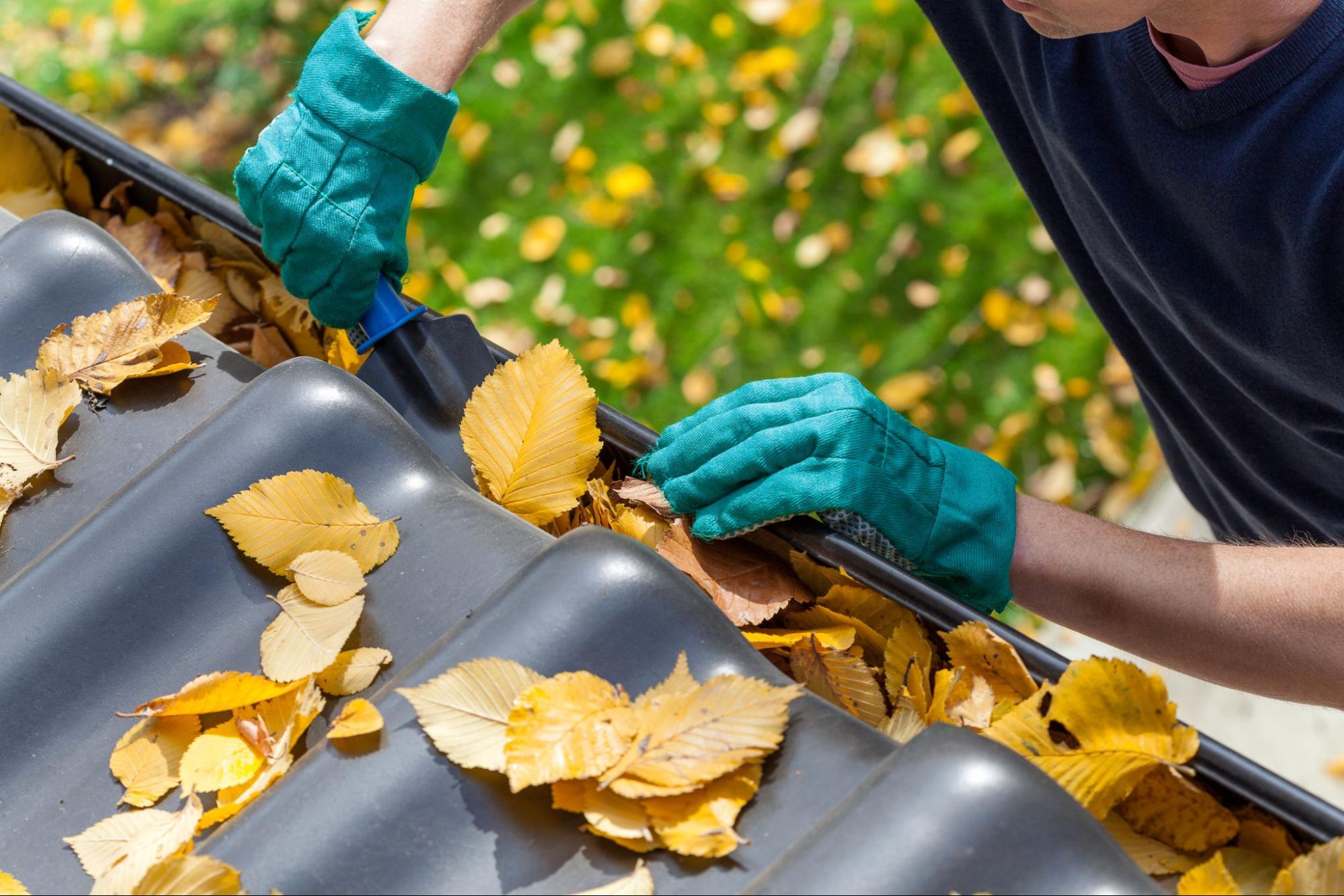
Carefully remove leaves and loose debris from the gutter channel. Use a scoop to lift out compacted material that blocks water flow. This removal step exposes mold growth hidden beneath the surface. Damp layers may appear as you clear debris, which requires further attention. Removing buildup allows cleaning solutions to reach affected areas effectively. Taking your time improves the overall cleaning result.
Apply Cleaner and Scrub Mold
Apply a cleaning solution directly onto moldy sections of the gutter. Allow the solution to sit briefly so it can break down the buildup. Use a soft-bristle brush to scrub affected areas with steady pressure. Focus on joints and corners where mold tends to collect. Continue scrubbing until the stains begin to fade and the surfaces look cleaner. Reapply the solution if needed to remove deeper mold layers.
Rinse Gutters and Inspect Results
Rinse the gutters thoroughly using a garden hose to remove all residue. Direct water toward the downspout to confirm proper drainage. Check for remaining mold spots and repeat cleaning if necessary. Inspect the entire gutter system for loose parts or visible damage. This inspection step helps confirm that the cleaning process worked effectively. A careful review prevents overlooked issues from developing later.
Best Cleaners for Gutter Mold Removal
Choosing the right cleaner helps remove mold without damaging your gutter system. Different solutions work better depending on the level of buildup. Some options use natural ingredients, while others rely on stronger formulas. Understanding these choices helps you select the most suitable method.
Natural Cleaners for Light Mold
Vinegar works well for mild mold growth due to its natural acidity. It breaks down mold without introducing harsh chemicals into your system. Baking soda can help loosen stubborn residue during scrubbing. Mixing these ingredients creates a gentle but effective cleaning solution. Apply the mixture and scrub lightly for consistent results. This method is suitable for routine maintenance and minor mold buildup.
Strong Solutions for Heavy Mold
Bleach-based solutions work better for heavy mold stains that resist mild cleaners. Always dilute bleach to protect gutter materials from damage. Apply the solution evenly and let it sit for a short time. Scrub the surface carefully to remove deep stains and buildup. Rinse thoroughly to eliminate any remaining chemical residue. This approach handles tougher mold but requires careful use.
When to Hire Gutter Cleaning Experts
Some mold problems require professional assistance due to safety or complexity concerns. Certain conditions make it difficult for property owners to clean the property themselves. Recognizing these situations helps you avoid unnecessary risks. Professional gutter cleaning services can offer a more thorough, controlled solution.
When Professional Help is Needed
Extensive mold buildup may require specialized tools and cleaning methods. Hard-to-reach areas increase the risk of accidents during cleaning. Damaged gutters often need repair alongside mold removal. Multi-story properties present added challenges when using ladders. Persistent drainage issues may indicate deeper system problems. These situations often benefit from professional support.
What Gutter Cleaning Services Offer
Professional gutter cleaners provide detailed removal of mold, debris, and buildup. They use advanced equipment to improve efficiency and accuracy. Many services include inspection of structural components during cleaning. Repairs may be recommended if damage appears during the process. Their experience helps ensure consistent results. Hiring professionals can reduce effort and improve long-term outcomes.
Maintain Clean Gutters for Long-Term Protection
Mold in gutters can spread quietly and affect more than just surface appearance. Left unchecked, buildup can interfere with drainage and lead to avoidable repairs. Regular cleaning helps keep your system reliable and efficient. Working with experienced providers adds another layer of care that helps protect your property over time.
Stay informed with trusted advice from the Quality Rain Gutters, Inc. blog and discover smarter ways to maintain your gutter system.