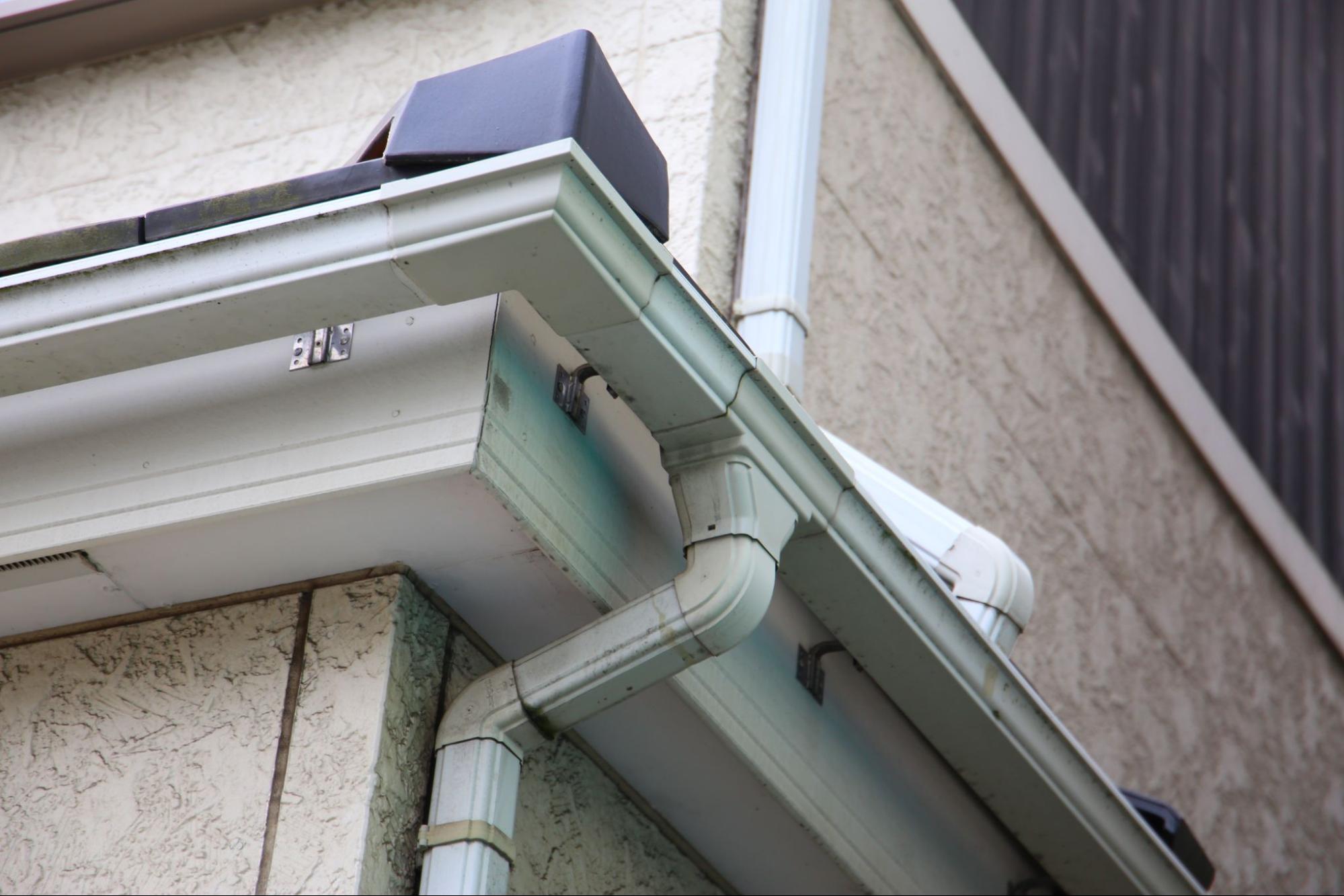
Commercial gutters and downspouts do much more than move rainwater off a roof. They help protect the entire building envelope, reduce the risk of moisture-related damage, and support the long-term condition of exterior walls, foundations, landscaping, and surrounding pavement. On commercial properties, where rooflines are often larger and drainage demands are more complex, having the right gutter and downspout system is essential.
A poorly designed or neglected drainage system can lead to serious issues over time. Overflowing gutters may cause water to run down walls, pool near the base of the structure, stain exterior finishes, and contribute to erosion around the property. In some cases, excess water can even affect loading docks, entry points, walkways, and other heavily used parts of the site. That is why building owners and property managers should understand how commercial gutters and downspouts work, what options are available, and when maintenance or replacement becomes necessary.
Why Commercial Gutters and Downspouts Matter
Commercial buildings are exposed to a wide range of weather conditions, and even a moderate storm can produce large amounts of runoff across a broad roof surface. Without a proper drainage system in place, that water has nowhere to go except over the edge of the structure or down the side of the building. This may not seem like a major issue at first, but repeated water exposure can wear down materials quickly and create expensive repair needs.
Commercial gutters and downspouts help direct water away from vulnerable areas in a controlled way. They protect siding, masonry, doors, windows, and trim from unnecessary moisture exposure. They also help keep water from collecting around the foundation, which can reduce the chances of structural issues, soil movement, or water intrusion into lower levels of the building. On properties with customer or employee foot traffic, they also help improve safety by reducing standing water near entrances and walkways.
How Commercial Gutters and Downspouts Work Together
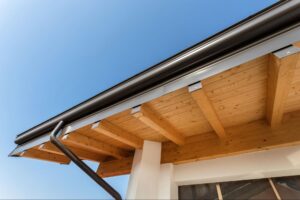
Gutters and downspouts are part of the same drainage system, but each component serves a different purpose. Gutters are installed along the edge of the roof to catch rainwater as it flows downward. Once the water enters the gutter channel, it moves toward designated outlets based on the slope of the system. Those outlets connect to downspouts, which carry the water vertically down the building and away from the base of the property.
The effectiveness of this system depends on more than just having gutters attached to the roofline. The gutters must be sized properly for the roof area, pitched correctly for water flow, and supported well enough to handle the weight of water and debris. The downspouts also need to be positioned strategically so runoff is dispersed efficiently without creating concentrated pooling in one spot. When these elements are designed and installed correctly, the system works quietly in the background to protect the property every time it rains.
Common Types of Commercial Gutters and Downspouts
Commercial buildings can use several gutter and downspout styles depending on the roof design, drainage demands, and overall appearance of the property. Choosing the right combination helps improve water control while supporting the long-term performance of the building.
K-Style Gutters
K-style gutters are a common choice because they can hold a substantial amount of water and offer a clean, finished look. Their shape also works well on many commercial properties that want both function and visual appeal.
Box Gutters
Box gutters are often used on commercial buildings that need to handle larger volumes of rainwater. They are typically built into or attached to the roof edge, making them a practical option for larger roof systems.
Rectangular Downspouts
Rectangular downspouts are frequently paired with commercial gutter systems because they can move a high volume of water efficiently. They also fit well with box gutters and other commercial drainage designs.
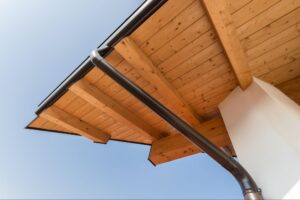
Round Downspouts
Round downspouts are sometimes selected for architectural reasons or to create a more traditional appearance. While they can still perform well, they are often chosen when style is just as important as drainage.
Material Options
Commercial gutters and downspouts can be made from materials such as aluminum, galvanized steel, and copper. The best material depends on the building’s budget, maintenance goals, and the environmental conditions it faces.
Choosing the Right Material for the Building
Material selection plays a major role in the durability and performance of commercial gutters and downspouts. Aluminum is a popular choice because it is lightweight, resistant to rust, and relatively cost-effective. It works well on many commercial buildings and can provide dependable performance when properly installed and maintained. Steel is another common option, especially for larger or more demanding systems, because it offers added strength and durability.
Copper is sometimes selected for premium commercial properties or historic buildings where appearance is a priority. It offers excellent longevity and develops a distinctive patina over time, though it usually comes at a higher price point. In some environments, material selection may also depend on exposure to heavy rain, coastal air, industrial pollutants, or temperature swings. Choosing the right material means balancing appearance, performance, maintenance needs, and long-term value rather than focusing on price alone.
Signs of Trouble in Commercial Gutters and Downspouts
Commercial drainage systems often show warning signs before major problems develop, so it is important to catch issues early. Paying attention to those signs can help prevent more serious damage to the gutters, downspouts, and the building itself.
Overflow During Rain
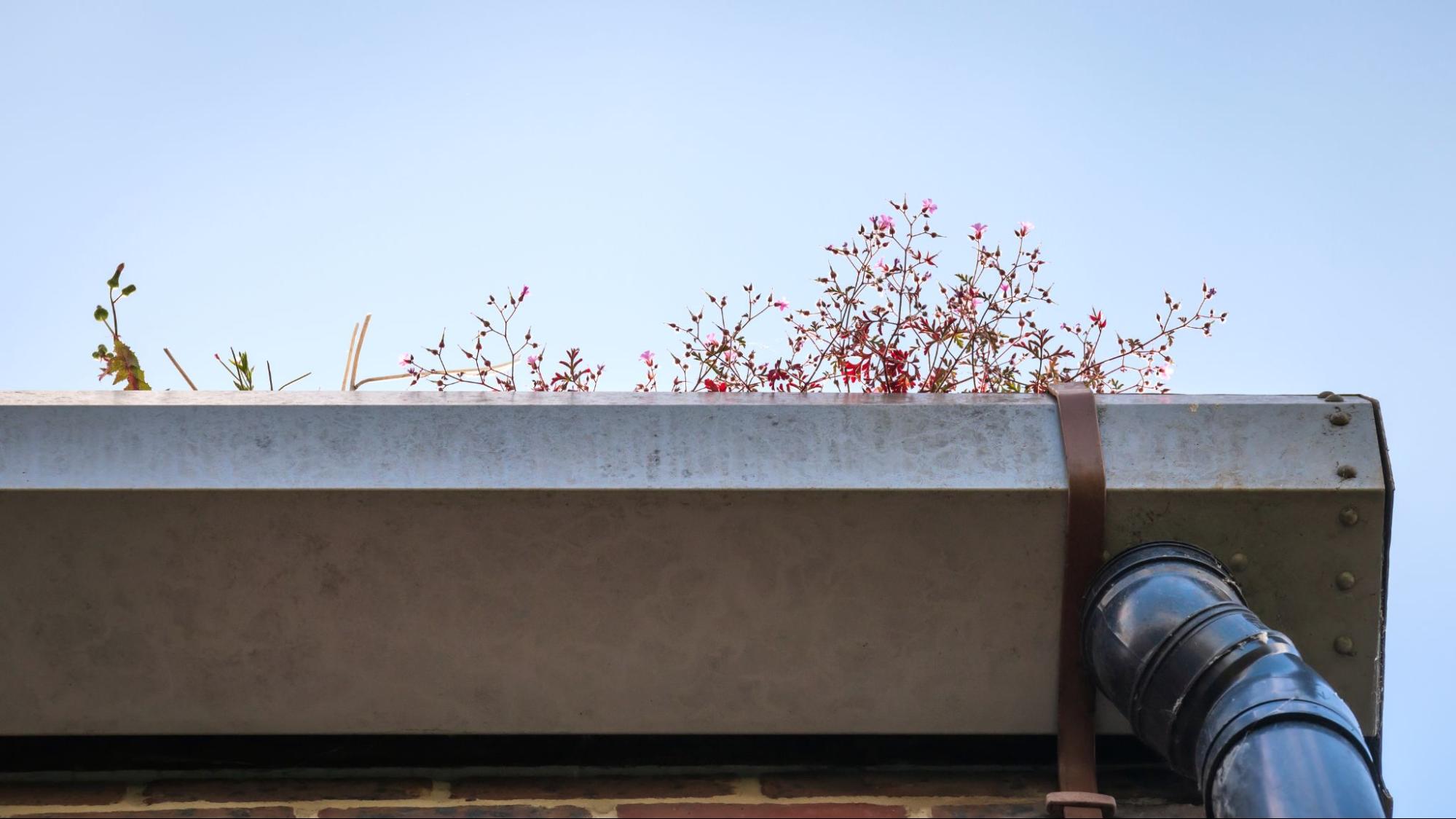
Overflow during a storm is one of the clearest signs that the system is not working properly. This can point to clogs, poor gutter pitch, undersized sections, or too few downspouts for the amount of water coming off the roof.
Sagging or Loose Sections
Sagging gutters, loose fasteners, and sections pulling away from the building usually mean repairs are needed. These issues can worsen over time as water and debris add extra weight to the system.
Exterior Water Damage
Water stains on walls, rust spots, peeling paint, and mildew growth can all suggest that drainage is failing where it should be controlled. Erosion near the base of the building may also mean that water is not being directed away properly.
Ice Buildup and Ongoing Wear
In colder climates, ice buildup along the gutter line can signal poor water flow or related insulation concerns. Even minor issues should be addressed quickly, because untreated drainage problems can lead to faster system deterioration and broader property damage.
The Importance of Routine Maintenance
Routine maintenance is one of the best ways to extend the life of commercial gutters and downspouts. Leaves, dirt, roofing granules, nesting materials, and other debris can build up over time and restrict water flow. Once a gutter is blocked, water begins to overflow or back up into areas where it should not collect. That can put extra weight on the system, weaken connections, and increase the likelihood of leaks and structural wear.
Maintenance usually includes cleaning out debris, checking the pitch of the gutters, confirming secure attachment points, and inspecting seams, outlets, and downspouts for damage. It is also helpful to verify that water is draining away from the building once it leaves the downspouts. Regular inspections are especially important after storms, during seasonal transitions, and on buildings with nearby trees. A simple maintenance routine can prevent many of the most common and costly drainage issues found on commercial properties.
What a Maintenance Visit Often Includes
A professional maintenance visit typically starts with a visual inspection of the full roof-edge drainage system. This allows the contractor to identify blockages, rust, standing water, loose sections, or signs of damage that may not be obvious from the ground. Any debris inside the gutters is removed so water can move freely through the channel and into the downspouts.
The contractor may also flush the system to check water flow and spot hidden clogs. Brackets, joints, outlets, and downspout attachments are examined to make sure everything is secure and functioning as intended. If minor issues are found, they can often be addressed before they turn into larger repair needs.
Why Preventive Care Saves Money
Preventive care helps reduce the chances of emergency repairs and water-related property damage. A neglected drainage system can affect roofing materials, exterior walls, insulation, landscaping, and concrete surfaces around the building. Fixing those related issues often costs much more than maintaining the gutters and downspouts in the first place.
Staying ahead of small repairs also supports the overall lifespan of the system. Replacing a fastener, resealing a joint, or clearing a blockage is usually far more affordable than replacing long sections of damaged gutter. For commercial property owners, preventive care is often one of the simplest ways to protect both the building and the maintenance budget.
Repair or Replacement: Knowing Which Is Needed
Not every gutter issue means the entire system needs to be replaced. In many cases, localized repairs can restore proper function. A single leaking joint, a detached section, or a clogged downspout may be resolved without a full replacement project. When the rest of the system is still in good shape, targeted repairs can be the most practical solution.
Replacement becomes more likely when problems are widespread or recurring. If multiple sections are rusted, pulling away from the building, leaking in several places, or failing during every storm, repairs may only provide temporary relief. Older systems that were poorly sized from the beginning may also need to be redesigned rather than patched. A professional inspection can help determine whether repair or replacement makes more sense based on the condition of the system and the drainage demands of the building.
Professional Installation Makes a Difference
Commercial gutters and downspouts need more than a basic installation approach. Because commercial roofs can be large, flat, or uniquely shaped, the drainage system must be planned carefully to manage runoff efficiently. Proper sizing, placement, pitch, support spacing, and outlet design all matter. Even a quality material can underperform if the system is installed without close attention to those details.
Professional installation helps ensure that the drainage system is built for the property’s actual needs. It also allows contractors to account for factors like regional rainfall, roof configuration, traffic areas, and where discharged water will go once it reaches the ground. A well-installed system improves performance, reduces maintenance problems, and helps protect the building over the long term.
Why Commercial Gutters and Downspouts Are Worth the Investment
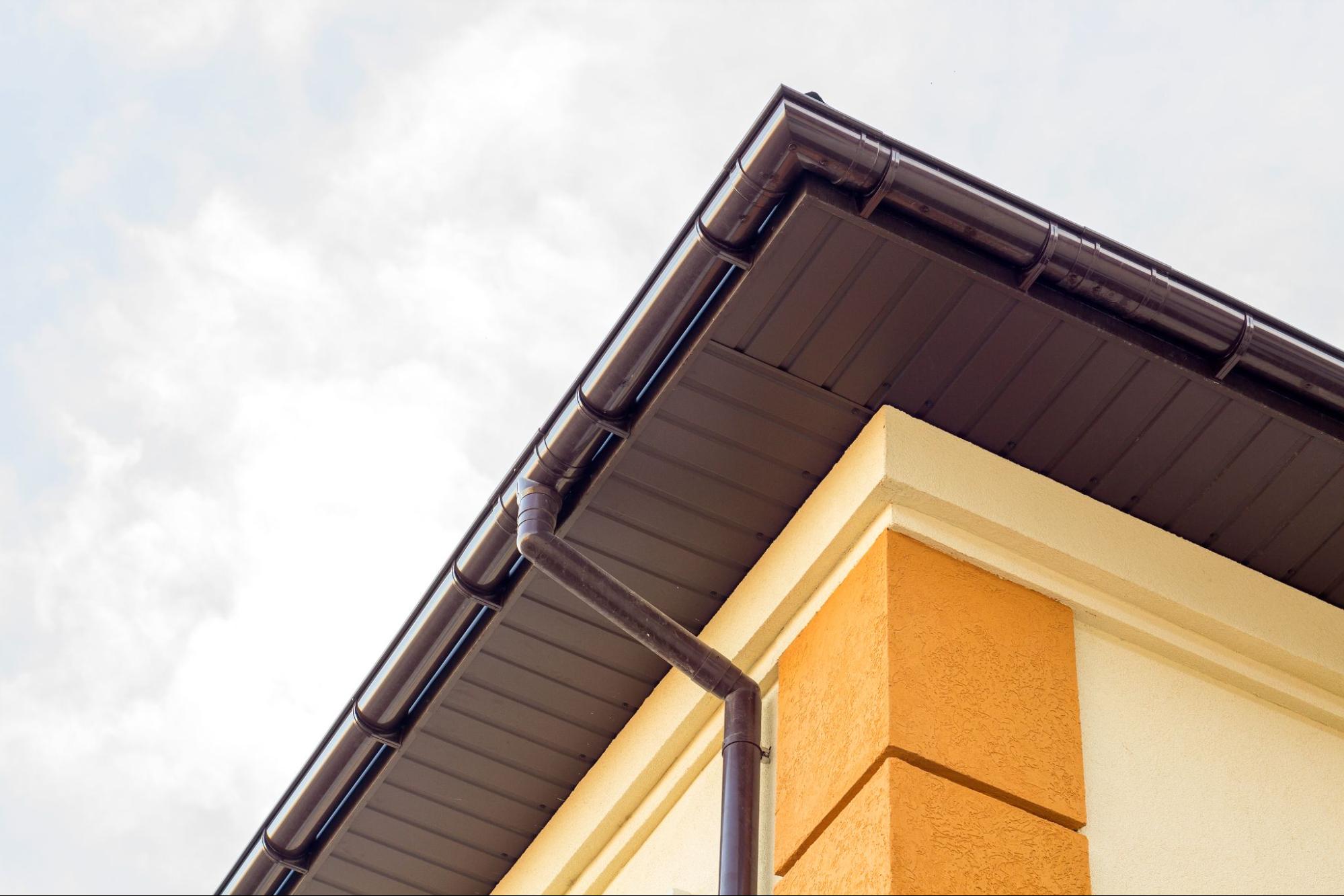
Commercial gutters and downspouts are a critical part of protecting any commercial property from avoidable water damage. They help move rainwater safely off the roof, down the building, and away from the structure where it can do less harm. When the system is well designed, properly installed, and regularly maintained, it supports the health of the building and helps property owners avoid larger repair costs later.
Understanding the basics of commercial gutters and downspouts makes it easier to recognize problems early and make informed decisions about maintenance, repair, or replacement. Whether the building is small or expansive, investing in a dependable drainage system is a smart step toward preserving the property’s value, appearance, and long-term performance.
Visit our Quality Rain Gutters Inc. blog to learn more about our residential and commercial roofing services today!