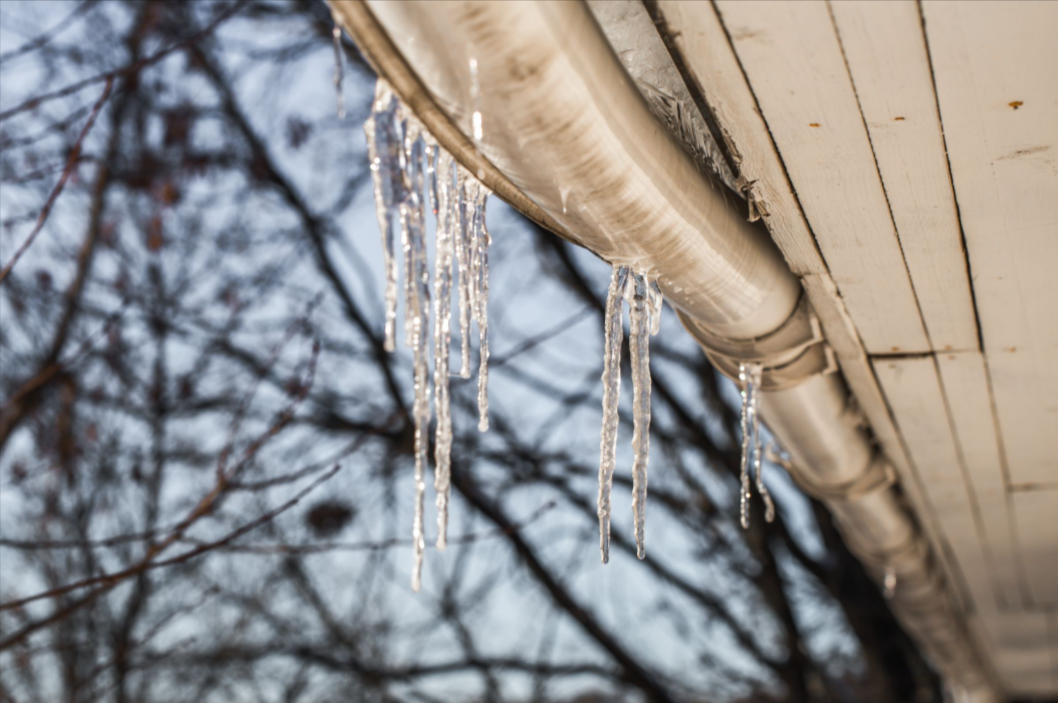
Most homeowners overlook sagging gutters until water starts spilling where it should not. That subtle dip along the roofline often signals a stressed drainage system. As water loses direction, it begins to affect nearby structures and surfaces. Small changes in gutter alignment can lead to wider issues across the property. Addressing these concerns promptly helps maintain both safety and long-term value.
What Causes Sagging Gutters
Sagging gutters result from gradual stress that weakens their structure over time. This issue often develops due to buildup, aging materials, and shifting support points. Homeowners may not notice early changes because the system still appears functional at first glance. Recognizing these causes helps prevent further misalignment and costly repairs.
Debris Buildup Adds Excess Gutter Weight
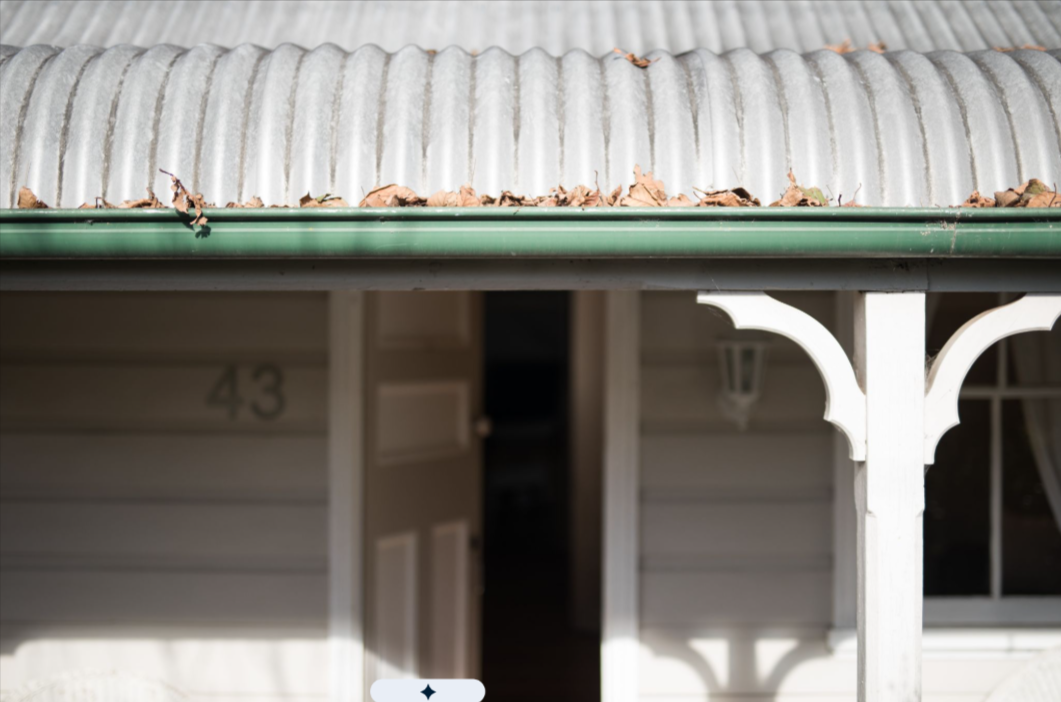
Debris often collects and stays trapped inside the gutter channel over time. Leaves, dirt, and twigs create a weight the system cannot sustain for long. As water mixes with debris, it forms a dense mass that strains brackets and joints. This condition prevents proper drainage, allowing water to sit in one place. Over time, the added pressure pulls gutters downward and disrupts alignment. Gutter cleaning reduces this load and helps maintain steady water flow.
Loose Fasteners Weaken Gutter Support
Fasteners can lose their grip along the roofline over time due to weather changes. Screws and brackets shift due to temperature fluctuations and seasonal conditions. This movement gradually weakens the points that hold gutters in place. Once these supports loosen, sections begin to pull away from the fascia board. This separation creates uneven lines, affecting how water travels through the system. Tightening or replacing these fasteners restores proper positioning and stability.
Aging Materials Reduce Gutter Strength
Materials begin to wear down after years of exposure to sun, rain, and shifting temperatures. Metal surfaces may corrode, while vinyl sections can warp under changing conditions. This wear reduces the system’s ability to support even normal water flow. As strength declines, sections begin to bend under pressure. Small cracks may also appear, which further weaken the structure. Replacing worn parts helps restore function and prevent ongoing sagging.
Climate Impact on Sagging Gutters
Sagging gutters often worsen due to repeated exposure to changing weather conditions. This climate factor continuously stresses materials and support systems. Temperature shifts, rainfall, and seasonal debris all contribute to gradual misalignment. Understanding these environmental effects helps homeowners plan more effective maintenance.
Heat Expansion and Material Movement
Gutter materials expand when exposed to prolonged heat during warmer conditions. This temperature change causes metal and vinyl components to shift slightly throughout the day. Over time, repeated expansion and contraction weaken structural integrity. This movement loosens fasteners and disrupts gutter alignment. As a result, sections may begin to dip or pull away from the roofline. Addressing these effects helps maintain consistent support throughout the system.
Heavy Rainfall Increases Gutter Strain
Periods of intense rainfall place added stress on gutter systems. Large volumes of water increase weight and push gutters beyond their intended capacity. When drainage slows due to minor clogs, pressure builds more quickly. This condition accelerates wear on brackets and connection points. Overflow becomes more likely, potentially affecting nearby surfaces and structures. Reinforcing gutters helps manage this increased load more effectively.
Seasonal Debris Patterns Affect Performance
Different seasons bring varying types of debris that collect inside gutters. Leaves, pollen, and small branches accumulate depending on the surrounding vegetation. This buildup can change throughout the year and often goes unnoticed at first. When debris remains in place, it traps water and adds constant weight. This condition disrupts the flow and strains the system. Regular seasonal maintenance helps reduce these recurring issues.
How Sagging Gutters Damage Homes
Sagging gutters disrupt water flow and expose key areas of your home to moisture damage. This issue allows water to escape in unintended directions instead of draining safely. Over time, this exposure affects both structural and exterior elements. Understanding these risks highlights why timely repair matters.
Roof Edges and Fascia Absorb Water
Water often spills over the gutters rather than flowing into the downspouts when the gutters are misaligned. This overflow reaches the roof edge and soaks nearby wooden components. Fascia boards begin to absorb moisture, which leads to gradual decay. This damage weakens the structure that supports the gutter system itself. Mold can also form in damp areas, creating additional concerns. Repairing alignment helps keep water moving away from these vulnerable sections.
Foundation Damage from Poor Drainage
Water may begin to collect near the base of your home when drainage becomes uneven. This condition causes soil to shift as erosion weakens its structure over time. Cracks can form as pressure builds unevenly along the foundation. Landscaping may also suffer as runoff disrupts the surrounding ground. These changes often develop gradually and go unnoticed at first. Proper gutter repair redirects water to safer drainage points.
Pest and Mold Growth Increase Risks
Standing water creates an ideal environment for insects and unwanted pests. Mosquitoes breed in stagnant water, which increases outdoor discomfort. Rodents may also nest in debris-filled sections of the gutter system. Moisture buildup encourages mold growth that can spread indoors. This exposure affects indoor air quality and overall comfort. Keeping gutters clean and aligned helps reduce these health risks.
Signs of Sagging Gutter Problems
Sagging gutters show clear warning signs that homeowners can identify through simple observation. This issue often begins with small changes that become more noticeable during rain. Ignoring these signs allows damage to spread across different areas of the home. Spotting these indicators helps you respond before repairs become more complex.
Visible Sagging and Gutter Separation
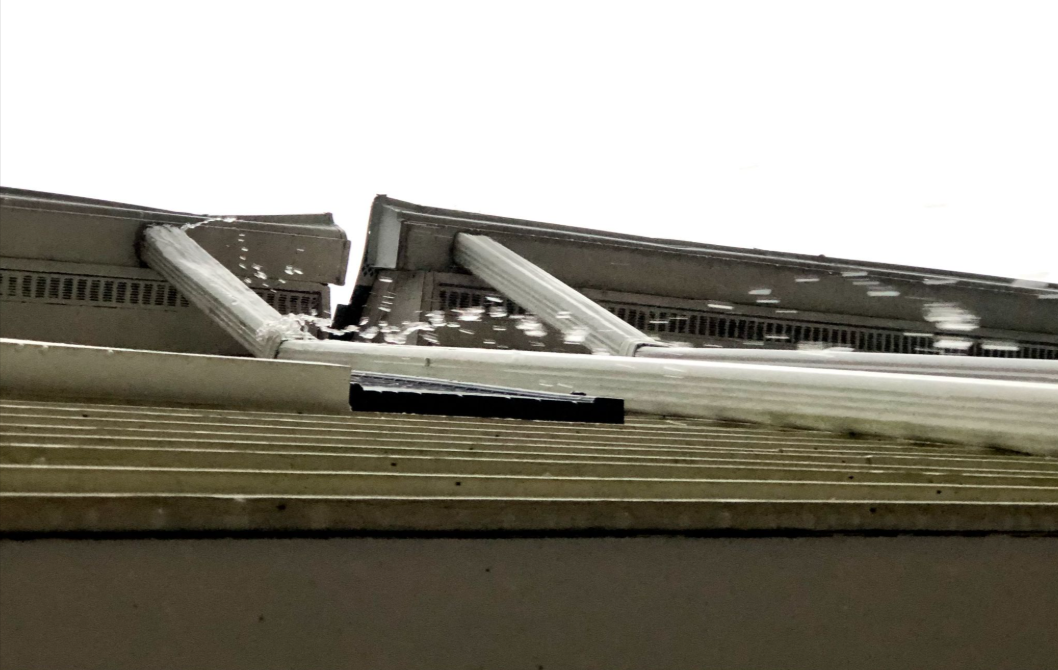
Uneven sections along the roofline often signal that support has weakened. Gaps may form between the gutter and fascia board, disrupting proper alignment. Water escapes through these openings instead of flowing toward downspouts. As rain continues, the strain on remaining supports increases. Sections may eventually detach if left unaddressed. Repairing these areas restores proper alignment and prevents further damage.
Overflow and Water Pooling Issues
Water spilling over the edges during rainfall indicates a drainage problem. This overflow shows that the system cannot direct water efficiently. Puddles may form near the base of your home as runoff collects. These conditions can stain siding and damage nearby surfaces. Repeated exposure increases the risk of structural concerns. Fixing the alignment helps restore consistent drainage.
Cracks, Rust, and Joint Damage
Small cracks often develop as stress builds within the gutter system. Rust weakens metal surfaces and increases the chance of leaks. Joints may begin to separate as pressure grows from trapped water and debris. This damage spreads quickly if left unattended. Minor flaws can expand into larger issues that affect multiple sections. Repairing these areas helps maintain system integrity.
Water Stains on Exterior Surfaces
Visible stains on siding and walls often point to ongoing overflow issues. Repeated exposure leaves discoloration that becomes harder to remove over time. This moisture can also damage paint and exterior finishes. As water continues to spill over, affected areas may weaken further. These signs often indicate deeper drainage problems. Correcting gutter alignment helps prevent further staining.
Cost Benefits of Gutter Repairs
Sagging gutters lead to rising repair costs when left unaddressed for extended periods. This issue allows damage to spread beyond the gutter system into other parts of the home. Addressing the problem promptly helps reduce long-term financial strain. Repairing gutters protects both your property and your budget.
Prevent Costly Structural Damage
Water damage can affect roofs and foundations when drainage fails. Repairing these areas often requires extensive work and higher expenses. This damage spreads gradually as water flows in unintended directions. Fixing gutter alignment helps stop this progression. Addressing the issue sooner helps avoid more expensive repairs later. This approach keeps maintenance costs more manageable.
Extend Gutter System Lifespan
Continuous strain causes gutters to wear out faster than expected. Repairing weak sections restores balance across the entire system. This maintenance allows gutters to function properly for a longer period. Homeowners can avoid premature replacement costs with consistent care. Improved performance also supports better drainage efficiency. This effort helps maintain durability over time.
Reduce Unexpected Repair Expenses
Sudden gutter failure often occurs during heavy rain or storms. These situations usually require urgent repairs that cost more than planned work. Damage may spread quickly when multiple sections become affected. Addressing issues proactively helps prevent these outcomes. Scheduled repairs provide better control over both timing and cost. This approach reduces stress and unexpected expenses.
Best Repair Options for Gutters
Sagging gutters can be repaired using various methods, depending on the extent of damage. This decision depends on whether the issue involves minor adjustments or deeper structural concerns. Some homeowners choose simple fixes, while others rely on professional services. Understanding these options helps you choose the most effective solution.
DIY Fixes for Minor Gutter Sagging
Minor issues can often be corrected using basic tools and simple techniques. Tightening loose screws and clearing debris helps restore proper function. This approach works best when damage remains limited to small sections. Safety should remain a priority when working at height. Using stable ladders and protective gear reduces the risk of injury. These steps offer a practical solution for manageable concerns.
Professional Gutter Repair Services
Complex gutter problems often require expert attention for lasting results. Professionals inspect the entire system to identify hidden damage. This evaluation allows them to restore alignment and reinforce weak areas. Repairs completed by gutter repair experts tend to last longer than temporary fixes. Homeowners also save time and effort by choosing this option. This service provides a reliable way to maintain proper drainage.
Risks of Incorrect Gutter Repairs
Improper repair methods can worsen existing issues rather than resolve them. Misaligned sections may disrupt water flow and create new problems. Temporary fixes often fail under pressure from heavy rain. This situation can lead to repeated repairs and increased costs. There is also a risk of injury when safety measures are overlooked. Proper techniques help prevent these complications.
Prevent Damage Linked to Sagging Gutters
Sagging gutters create ongoing risks that extend beyond what you can see from the ground. This drainage issue can quietly weaken structural areas while increasing maintenance demands over time. Restoring proper alignment helps control water flow and limits exposure to moisture-related damage. A well-functioning gutter system supports a more stable and efficient home overall. Choosing to repair sagging gutters helps reduce future disruptions and keeps your property performing as intended.
Visit the Quality Rain Gutters, Inc. blog for clear, reliable guidance on maintaining gutters and protecting your home year-round.