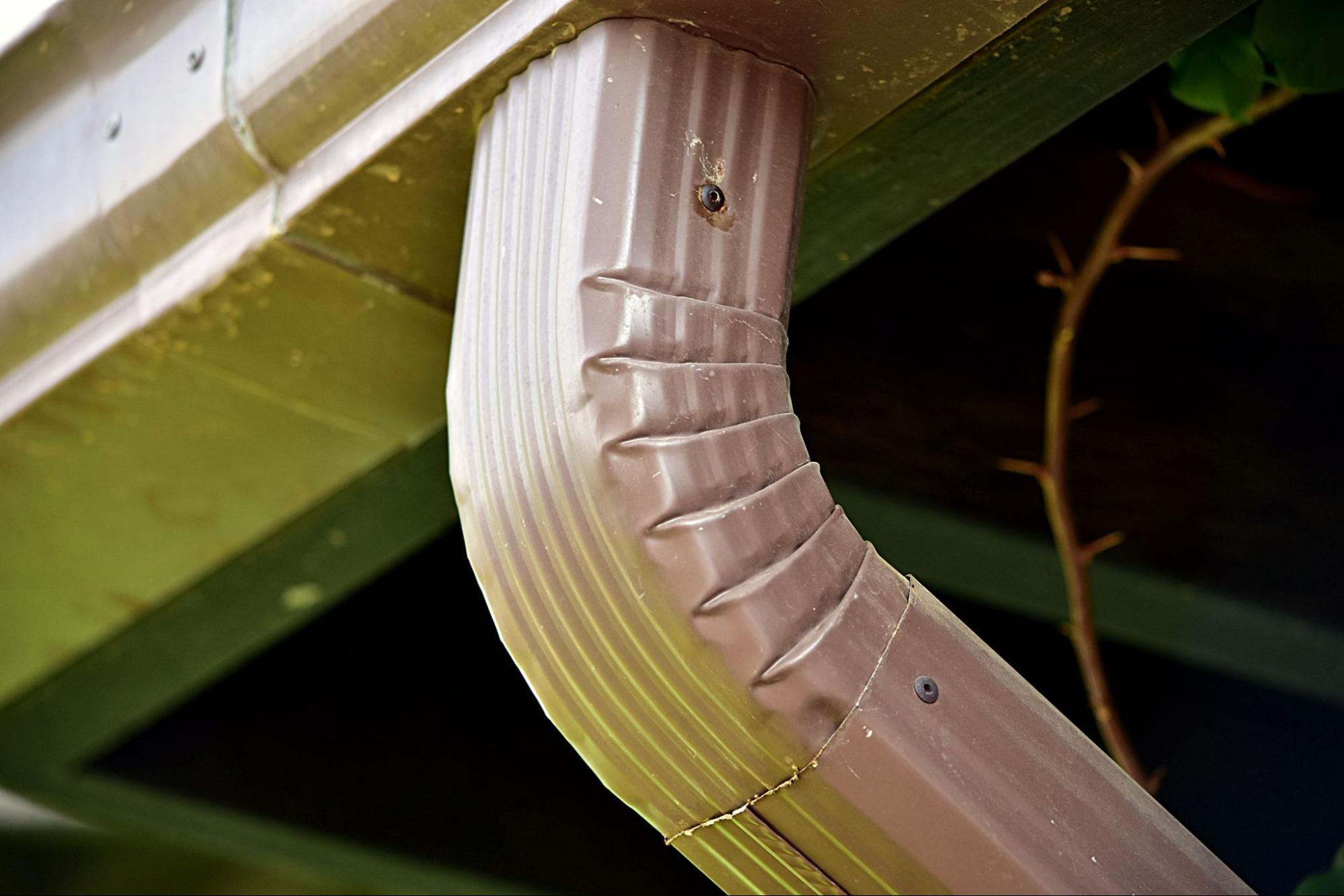
Rainwater does not stay on the roof for long, and where it goes matters. Many property owners notice overflowing gutters or pooling near the foundation after storms. These signs often point to deeper issues with gutter drainage solutions that need attention. Left unchecked, water can damage structures and reduce property value over time. Investing in professional drainage solutions helps control runoff and protect every part of your property.
Effects of Poor Drainage Systems
Poor drainage allows rainwater to overflow and collect around vulnerable areas. This water often settles near foundations, landscaping, and walkways. Repeated exposure over time weakens structures and disrupts soil stability. Property owners who ignore these issues often face rising repair costs and ongoing maintenance.
Foundation Damage from Overflowing Gutters
Foundation damage begins when gutters fail to direct water away from the structure. Overflowing water saturates the soil near the base of the property, increasing pressure on the walls. This pressure can lead to cracks, shifting, and uneven settling over time. Moisture may also seep into basements or crawl spaces, creating additional concerns. According to building industry data, poor drainage remains a leading cause of foundation issues. Professional drainage solutions guide water safely away and reduce structural stress.
Landscape Erosion and Surface Damage
Landscape erosion occurs when uncontrolled runoff flows across soil and hard surfaces. This movement washes away soil, leaving uneven ground behind. Plants lose support, and decorative features may shift or sink over time. Walkways and driveways can also suffer from erosion-related damage. This disruption reduces both safety and visual appeal across the property. Proper drainage solutions direct water along controlled paths to protect outdoor areas.
Moisture Issues and Indoor Discomfort
Moisture issues develop when water accumulates near entry points and seeps into the home. Damp conditions promote mold growth, which affects indoor air quality. Increased humidity can make living spaces feel uncomfortable year-round. Pests often gather in moist environments, adding another layer of concern. These conditions may spread from basements to other areas of the property. Professional drainage solutions reduce excess moisture and improve indoor comfort.
Professional Drainage Solutions for Water Control
Professional drainage solutions precisely manage rainwater from the roof to the ground. These systems control how water flows through gutters and away from the property. Experts design each system based on roof size, slope, and surrounding landscape. This approach provides reliable performance during varying weather conditions.
Gutter System Inspection and Planning
Inspection and planning define how well a gutter system performs over time. Professionals examine existing gutters, downspouts, and drainage paths for issues. This evaluation identifies blockages, misalignment, and improper slope. Without proper planning, water may continue to overflow or collect in unwanted areas. Experts use proven methods to design effective drainage routes. This detailed process results in gutter drainage solutions that meet property needs.
Installation of Downspouts and Extensions
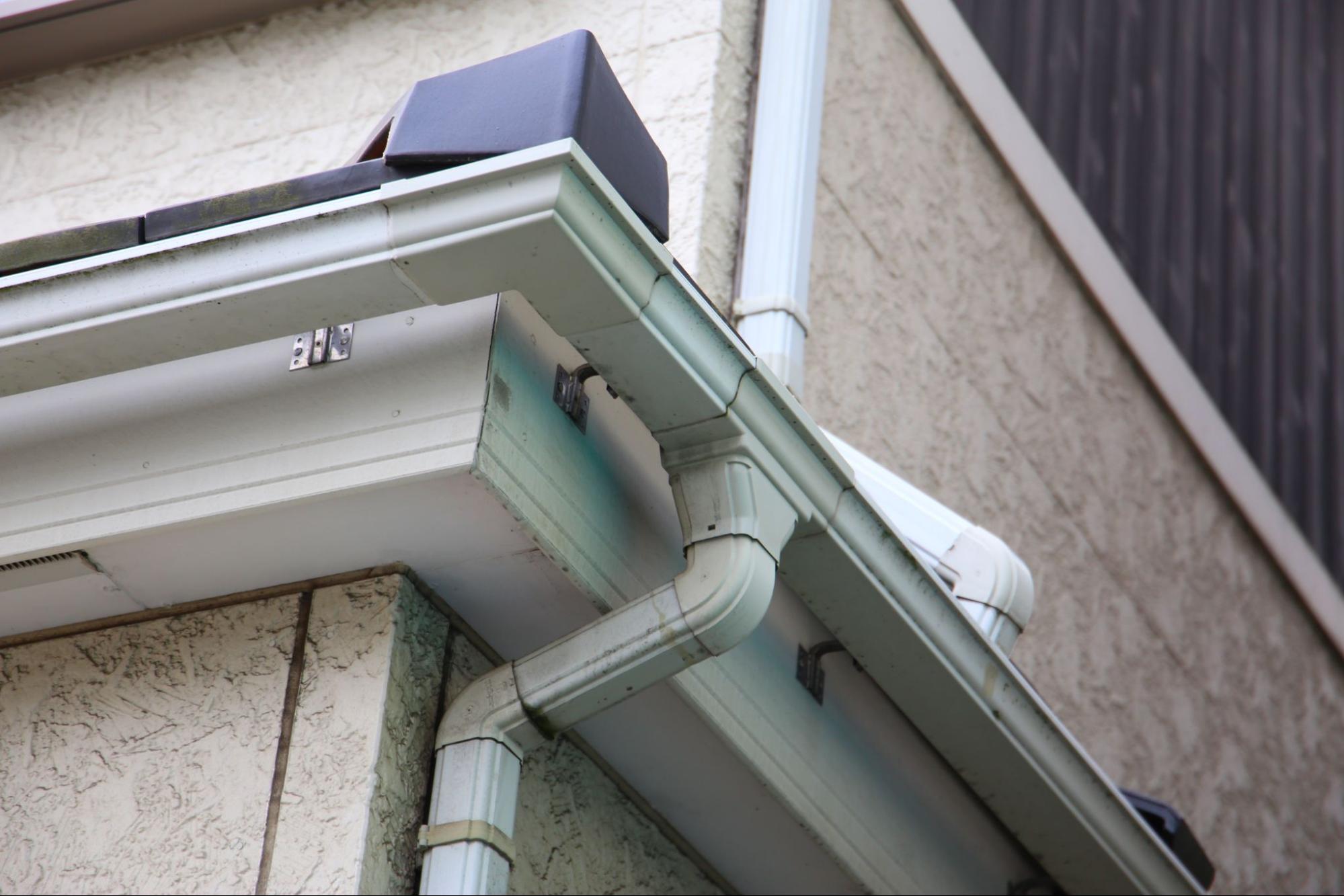
Downspouts and extensions carry water from gutters to safe discharge points. Proper placement prevents water from pooling near foundations and walkways. Extensions guide runoff farther away to protect soil and structures. Professionals install these components with the correct slope and positioning. This precision improves water flow and prevents backflow issues. Effective drainage solutions rely on well-installed downspouts and extensions.
Integration With Ground Drainage Systems
Integration with ground systems strengthens overall water management across the property. Gutter drainage connects with underground pipes, French drains, or surface channels. This connection ensures that water moves efficiently from the roof to the discharge areas. Professionals plan these systems to avoid conflicts with landscaping and structures. This coordination supports both function and appearance over time. Integrated drainage solutions provide complete water control.
Limits of DIY Drainage Fixes
DIY gutter fixes often fail because they address only visible issues, leaving the underlying problems unresolved. Water flow depends on slope, capacity, and proper system design. Many property owners lack the tools and knowledge to accurately assess these factors. This gap leads to repeated issues and higher long-term costs.
Misjudging Gutter Capacity and Flow
Misjudging gutter capacity leads to overflow during heavy rainfall. Many systems cannot handle the volume of water coming from large roof areas. This limitation causes water to spill over the edges and collect at the bottom. Property owners may attempt small fixes that do not increase system capacity. Over time, these efforts fail to prevent recurring issues. Professional drainage solutions account for roof size and rainfall intensity.
Improper Slope and Installation Errors
An improper slope prevents gutters from directing water effectively toward downspouts. Water may sit in sections or flow in the wrong direction. This issue increases the risk of clogs, leaks, and structural strain. DIY installations often overlook precise alignment and secure fastening. These small errors reduce system performance and durability. Professional drainage solutions rely on accurate installation techniques.
Ongoing Costs from Repeated Fixes
Ongoing costs increase when property owners attempt multiple repairs over time. Each failed fix adds expenses for materials and labor. Water damage may also worsen during these attempts. Time spent troubleshooting recurring issues creates additional strain. Eventually, total costs exceed the price of professional installation. Reliable drainage solutions prevent these repeated expenses.
Financial Benefits of Expert Drainage Solutions
Professional drainage solutions reduce repair costs and support long-term property value. Proper water management prevents damage that would require expensive fixes. This prevention allows for more predictable maintenance expenses. Over time, a well-designed system supports financial stability.
Protects Property Value Over Time
Property value depends on structural condition and overall maintenance. Visible drainage problems often raise concerns during inspections and sales. Buyers may lower offers when they detect water-related issues. A functional gutter system improves confidence and perceived value. This improvement supports stronger resale opportunities. Professional drainage solutions help maintain long-term property appeal.
Lowers Maintenance and Repair Expenses
Lower expenses result from consistent control of rainwater around the property. Proper drainage reduces damage to landscaping, siding, and foundations. This protection limits the need for frequent repairs and replacements. Over time, maintenance becomes more manageable and less disruptive. Property owners benefit from predictable costs and fewer emergencies. Effective drainage solutions reduce financial strain.
Improvea Indoor Efficiency and Comfort
Indoor efficiency improves when moisture remains under control. Reduced humidity allows HVAC systems to operate more efficiently. This improvement lowers energy use and utility costs over time. Dry conditions also protect insulation and interior materials. Occupants experience more consistent comfort year-round. Professional drainage solutions support a balanced indoor environment.
Legal Risks of Poor Drainage Systems
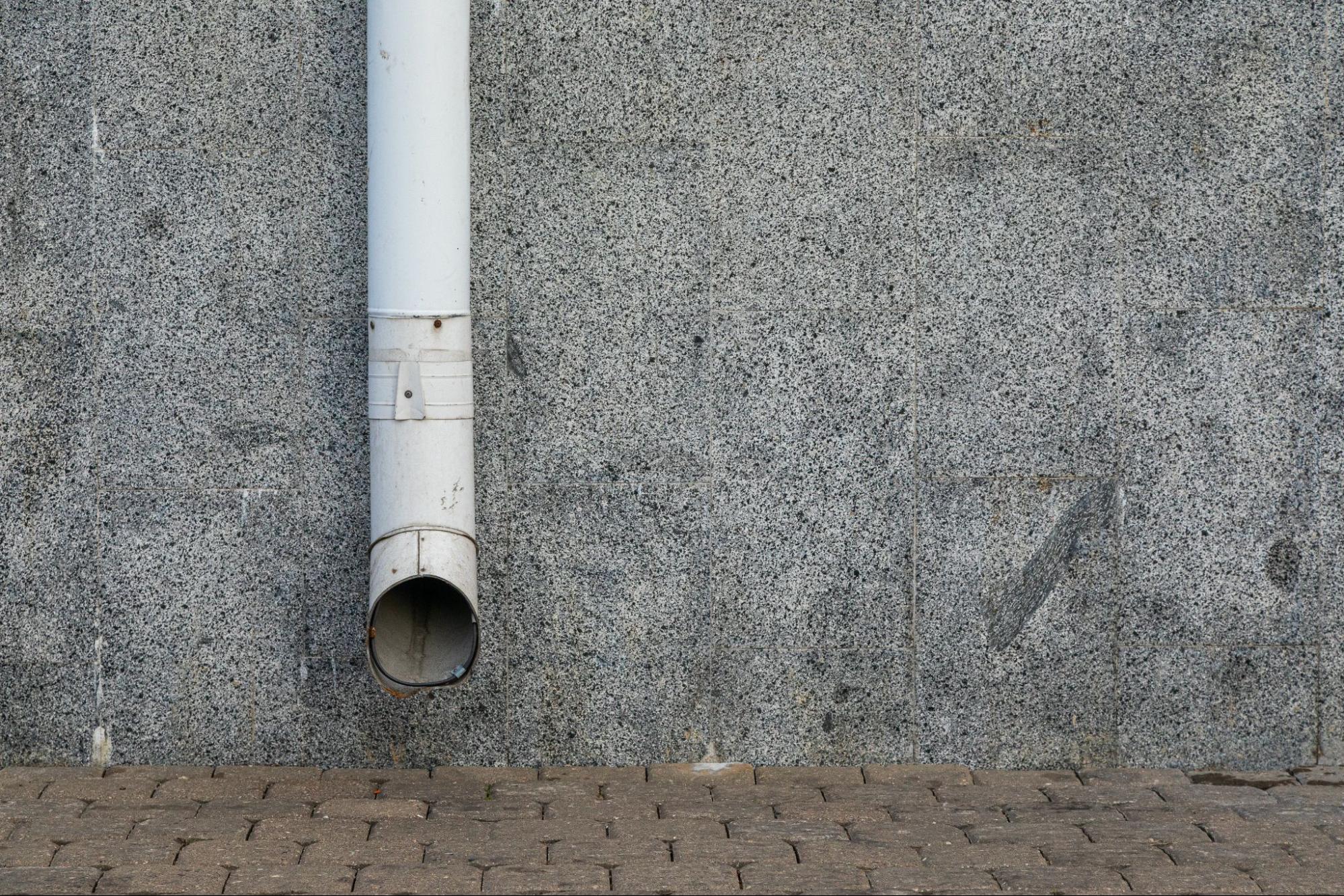
Poor drainage can lead to legal issues when water affects nearby properties. Property owners must control runoff to avoid disputes and liability. Unmanaged water may damage neighboring land or shared spaces. Addressing these concerns helps prevent conflict and protects property interests.
Runoff Liability Between Properties
Runoff liability occurs when water from one property causes damage to another. This situation often leads to disputes over responsibility and repair costs. Many local regulations require proper management of roof runoff. Failure to comply may result in fines or legal action. Property owners may not notice issues until damage appears nearby. Professional drainage solutions help manage runoff and reduce liability risks.
Compliance With Drainage Regulations
Compliance with regulations involves meeting local stormwater management requirements. Authorities set guidelines to prevent flooding and damage to infrastructure. Ignoring these rules can lead to penalties and forced corrections. This oversight may also delay property transactions during inspections. Property owners benefit from systems that meet these standards. Professional drainage solutions align with regulatory requirements.
Climate Impact on Gutter Systems
Climate patterns affect how gutter systems perform during changing weather conditions. Increased rainfall places more demand on drainage capacity. Older systems may not handle the current water volume effectively. Updating drainage solutions helps properties adapt to these changes.
Heavy Rainfall and System Capacity
Heavy rainfall increases the amount of water flowing through gutters. Systems that lack capacity may overflow during intense storms. This overflow leads to pooling and potential damage near the foundation. Property owners may notice more frequent issues during severe weather. These patterns reflect broader climate changes affecting many regions. Modern drainage solutions account for higher water volumes.
Seasonal Changes in Water Flow
Seasonal changes influence how water moves through gutters and soil. Wet seasons increase runoff and soil saturation levels. Dry periods may lead to debris buildup that blocks water flow. This variation creates inconsistent system performance throughout the year. Property owners often experience issues during specific seasons. Professional drainage solutions adjust for these changes and maintain efficiency.
Debris Control in Gutter Systems
Debris control affects how well drainage solutions perform over time. Leaves, dirt, and organic matter can block water flow and reduce system efficiency. Without proper management, gutters may overflow and cause damage. Keeping debris under control supports consistent drainage performance.
How Debris Blocks Gutter Flow
Debris blocks the flow of water by restricting the path it must follow. Leaves and twigs collect quickly, especially during seasonal changes. This buildup prevents water from reaching downspouts efficiently. Overflow often occurs when blockages force water over the edges of gutters. Standing water may also attract pests and increase system weight. Professional drainage solutions include methods to minimize debris accumulation.
Benefits of Gutter Guards and Covers
Gutter guards help keep debris out while allowing water to pass through the system. These covers reduce the frequency of cleaning and maintenance tasks. Different guard types suit different environments and debris levels. Poorly selected guards may restrict water flow rather than improve it. Professionals recommend options based on property conditions and surrounding vegetation. Effective drainage solutions often include properly fitted guard systems.
Optimize Your Drainage With Professional Systems
Water does not stay contained when drainage fails, and the effects often spread beyond visible areas. A qualified drainage contractor designs systems that guide water safely away from your property. This expertise helps prevent recurring issues that disrupt both structure and landscape. Investing in professional drainage solutions gives you reliable control and long-term protection where it matters most.
Learn how to handle drainage challenges with confidence by browsing the latest posts on the Quality Rain Gutters, Inc. blog.