Rainwater often seems harmless until it starts leaving marks around your home. Many property owners notice problems only after stains or pooling appear near the foundation. That delay allows minor gutter issues to grow into costly structural concerns. Water that flows without control can weaken wood, soil, and exterior surfaces over time. A clear understanding of rain gutter repair helps you protect your property before damage spreads further.
Rain Gutter Repair for Home Protection
Rain gutter repair refers to fixing damage that disrupts the flow of water away from your home. This system controls how rainwater moves from the roof to safe drainage areas. When gutters fail, water collects in places that invite structural problems. Proper repairs restore balance and protect both visible and hidden parts of the property.
How Gutters Direct Water Flow
Gutters collect rainwater and direct it toward downspouts that carry it away from the structure. This system design prevents water from settling near the foundation or exterior walls. When gutters stay clear and aligned, water flows efficiently without spilling over the edges. That controlled movement reduces stress on siding, roofing, and landscaping features. Over time, proper drainage helps maintain stable soil conditions around the property. A well-maintained system supports long-term structural reliability and reduces repair frequency.
Effects of Poor Gutter Drainage
Poor drainage allows water to pool around areas not designed for constant exposure. This condition often leads to foundation cracks as the soil beneath the structure shifts. Moisture may also seep into basements or crawl spaces, creating damp conditions. Over time, these issues can damage insulation, drywall, and flooring materials. Additionally, wood components near the roofline may begin to decay from repeated exposure. Addressing drainage problems promptly helps prevent escalating repair costs.
Signs You Need Gutter Repair
Rain gutter repair becomes necessary when visible or hidden damage affects system performance. These warning signs often appear gradually but worsen without attention. Property owners who recognize these indicators can respond before costs increase. Timely action reduces the risk of widespread structural issues.
Cracks, Rust, and Visible Damage
Cracks and holes often form due to aging materials or physical impact. These openings allow water to leak before reaching the intended drainage path. Rust may develop on metal gutters, weakening their structural integrity over time. As corrosion spreads, sections may become brittle and prone to breaking. This damage also affects how well gutters hold water during heavy rainfall. Repairing these areas restores function and prevents further deterioration.
Sagging or Detached Gutters
Sagging gutters signal that brackets or fasteners no longer hold them securely in place. This instability disrupts the proper slope needed for water flow. Sections may pull away from the roofline, increasing strain on remaining supports. That movement can cause joints to separate and leak. In some cases, entire sections may collapse during heavy rain. Securing loose components helps restore alignment and prevent further damage.
Water Overflow and Stains
Overflow occurs when gutters cannot handle water flow due to clogs or misalignment. This problem often leads to visible streaks along exterior walls. These stains indicate repeated exposure to uncontrolled water movement. Water may collect near the base of the home, affecting soil stability. This pooling increases the risk of foundation damage over time. Repairing the system improves drainage and protects surrounding surfaces.

Causes of Gutter Damage Over Time
Rain gutter repair often addresses issues caused by gradual wear or external factors. These causes affect both the structure and performance of the system. Identifying them helps property owners prevent recurring problems. Regular attention reduces long-term repair needs.
Weather and Seasonal Exposure
Weather conditions continuously stress gutter systems throughout the year. Heavy rainfall can push debris into gutters, creating blockages. Snow and ice add weight that strains fasteners and joints. Temperature changes cause materials to expand and contract, weakening connections. Strong winds may loosen sections or displace components entirely. Routine inspection helps identify weather-related damage before it worsens.
Debris Buildup and Blockages
Leaves, twigs, and dirt often collect in gutters, restricting water flow. This buildup creates standing water, adding unnecessary weight to the system. Over time, this weight can cause sagging or detachment from the roofline. Blockages also force water to spill over edges, damaging nearby surfaces. Additionally, stagnant water may lead to rust or organic growth. Regular gutter cleaning helps maintain proper drainage and reduces strain on the system.
Improper Installation Issues
Improper gutter installation can lead to persistent problems that require repeated repairs. Gutters must have the correct slope to guide water toward downspouts effectively. Incorrect angles cause water to pool rather than flow smoothly. Weak fastening methods may allow sections to loosen over time. Low-quality materials may also fail sooner than expected under normal conditions. Correcting these installation issues improves system durability and performance.
Common Rain Gutter Repair Methods
Rain gutter repair includes several techniques that address different types of damage. These methods range from simple fixes to more involved adjustments. Choosing the right approach depends on the severity of the issue. Proper repair restores functionality and extends the system’s life.
Sealing Leaks and Small Openings
Sealing leaks involves applying waterproof materials to close gaps in the gutter system. These gaps often appear at seams, joints, or small cracks. This repair method prevents water from escaping before reaching the downspout. It also protects nearby surfaces from repeated exposure to moisture. Regular inspection helps identify leaks before they expand. Addressing them quickly keeps the system working efficiently.
Reattaching Loose Gutter Sections
Reattaching gutters involves securing loose sections with new or reinforced fasteners. This process restores the proper alignment needed for water flow. Loose gutters often shift out of position, causing uneven drainage. Strengthening these connections reduces stress on the entire system. In some cases, additional brackets may be required for support. This repair method improves stability and performance.
Replacing Worn Gutter Sections
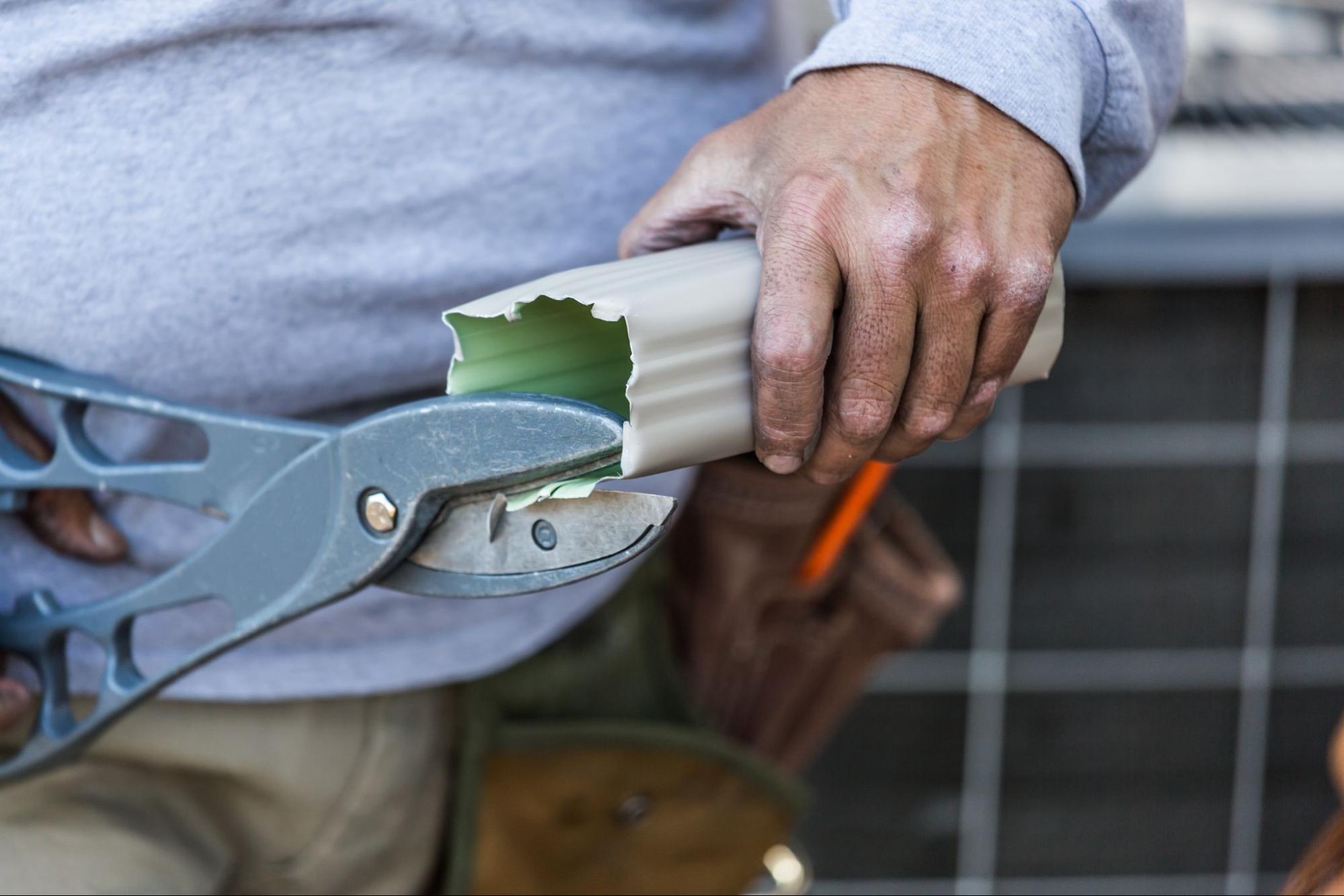
Replacing sections addresses damage that cannot be repaired with simple fixes. This solution works well when deterioration affects isolated areas. Matching materials helps maintain a consistent appearance across the system. This replacement approach prevents the need for a full system upgrade. It also restores proper water flow and structural integrity. Property owners benefit from targeted repairs that effectively manage costs.
Adjusting Gutter Slope and Pitch
Adjusting the slope corrects alignment issues that prevent proper water drainage. This process involves repositioning brackets to create the correct angle. Water should flow steadily toward the downspout without pooling. Incorrect pitch often leads to overflow and standing water. This adjustment improves drainage efficiency and reduces long-term wear. Proper alignment supports consistent system performance.
Repair vs. Replacement for Gutters
Rain gutter repair or replacement depends on the extent of damage and system condition. This decision affects both short-term costs and long-term performance. Property owners should carefully evaluate the condition of their gutters. A clear assessment helps determine the most practical solution.
When Repair is the Right Choice
Repair works best when damage remains limited to specific areas. Small leaks, loose sections, or minor corrosion can often be fixed effectively. This approach extends the life of the existing system at low cost. It also allows property owners to address issues without major disruption. Regular maintenance supports this strategy over time. Repair remains a practical option when the system still functions well overall.
When Replacement Becomes Necessary
A replacement becomes necessary when damage affects a large portion of the gutter system. Extensive rust or repeated failures often signal deeper structural issues. Older systems may no longer perform efficiently even after repairs. Upgrading materials can improve durability and water flow. Although costs increase, replacement reduces the need for frequent fixes. This decision supports long-term reliability and performance.
Rain Gutter Repair Cost Factors
Rain gutter repair costs depend on several practical factors that influence pricing. This cost structure varies based on materials, labor, and repair complexity. Understanding these elements helps property owners plan effectively. Careful budgeting reduces unexpected repair expenses.
Material Type and Damage Extent
Different gutter materials require specific repair methods and tools. Aluminum, steel, and vinyl each have unique cost considerations. The extent of damage also affects the overall expense of repairs. Small fixes cost less than larger, more complex work. Replacement parts may increase costs depending on availability. Choosing durable materials supports long-term savings.
Labor and Accessibility Considerations
Labor costs vary depending on the complexity of the repair. Hard-to-reach areas may require additional time and specialized equipment. Roof height and design also influence labor requirements. Skilled gutter professionals may charge more for detailed work. This investment often reduces the risk of future issues. Quality repairs help maintain system performance over time.
Repair Your Gutters to Avoid Costly Issues
Rain gutter repair protects more than the roofline; it preserves the structure beneath it. Small issues can quietly lead to costly damage when left unattended. Addressing problems promptly keeps water where it belongs and reduces long-term expenses. Property owners who stay attentive maintain both value and peace of mind. A well-maintained gutter system reflects a home that is cared for with intention and foresight.
Explore more practical insights and expert tips on gutter care at the Quality Rain Gutters, Inc. blog, and keep your home protected year-round.