Rainwater often seems harmless until it starts collecting where it should not. Many property owners notice problems only after stains, cracks, or leaks appear. Gutters help move water, but without proper drainage channels, runoff can still cause damage. Downspouts guide water away from structures and protect surfaces from gradual wear. A well-chosen system keeps your property stable and avoids costly repairs.
Downspouts and Property Drainage Basics
Downspouts direct rainwater from gutters to safe discharge points around a property. This system function reduces pressure on foundations and prevents water from spreading across exterior surfaces. Many homeowners overlook this role, yet poor drainage often leads to visible damage over time—a clear understanding of how downspouts work helps you make smarter long-term protection decisions.
How Downspouts Control Water Flow
Downspouts carry water from gutters and direct it away from the structure in a steady path. This movement prevents water from spilling over edges and soaking walls or windows. Proper placement allows runoff to flow away from the property’s base, reducing soil erosion. This control maintains landscaping and prevents uneven ground conditions near the foundation. When flow is restricted, water collects in unwanted areas, creating pressure on structural surfaces. Consistent water direction improves durability and keeps exterior areas dry.
Problems from Poor Drainage Systems
Poor drainage systems allow water to pool near the foundation, which can lead to cracks over time. This buildup increases the risk of basement leaks and hidden moisture inside walls. Damp conditions also promote mold growth, which can affect indoor air quality. Exterior surfaces may stain or weaken after repeated exposure to uncontrolled runoff. During colder months, trapped water can freeze and expand, further damaging structures. These issues often lead to higher repair costs and long-term structural concerns.
Downspouts and Property Value Impact
Functional downspouts support a well-maintained property appearance and improve buyer confidence. This system reliability indicates that the owner has properly addressed drainage concerns. Buyers often notice signs of water damage during inspections, which can lower perceived value. A clean, effective drainage system reduces future repair concerns for potential buyers. Well-managed runoff also protects landscaping and exterior finishes from wear. This attention to detail helps maintain consistent property value over time.
Types of Downspouts for Every Property
Different downspout types meet various design and drainage needs across properties. This variety allows homeowners and businesses to match function with appearance. Some options focus on handling large volumes of water, while others emphasize visual appeal. Knowing the differences helps you choose a system that fits both structure and style.
K-Style vs. Round Downspouts
K-style downspouts feature a rectangular shape that pairs well with modern gutter systems. This design handles larger water volumes and suits many residential and commercial buildings. Round downspouts offer a smoother, traditional appearance that complements older architectural styles. This option often works best with half-round gutters for a cohesive look. Both types perform effectively when matched with the correct gutter system and roof size. The final choice often depends on appearance preferences and drainage requirements.
Decorative and Custom Downspout Styles
Decorative downspouts combine drainage performance with visual design elements for enhanced curb appeal. This option includes unique finishes, embossed patterns, and custom shapes for different property styles. Businesses often use these designs to create a polished exterior appearance that attracts attention. Custom solutions can also match the design requirements of historic buildings or upscale homes. While aesthetics matter, proper function remains a priority during selection. A balanced approach allows you to achieve both visual appeal and reliable performance.
Flexible Downspouts and Extensions Use
Flexible downspouts provide adjustable solutions for directing water away from specific areas. This feature allows property owners to adapt drainage paths based on ground layout. Extensions carry water farther from the foundation, reducing the risk of pooling near the structure. These additions work well for properties with limited drainage space or uneven terrain. Proper use of extensions also protects landscaping from erosion caused by concentrated runoff. This approach improves the overall efficiency of the drainage system.
Best Materials for Durable Downspouts
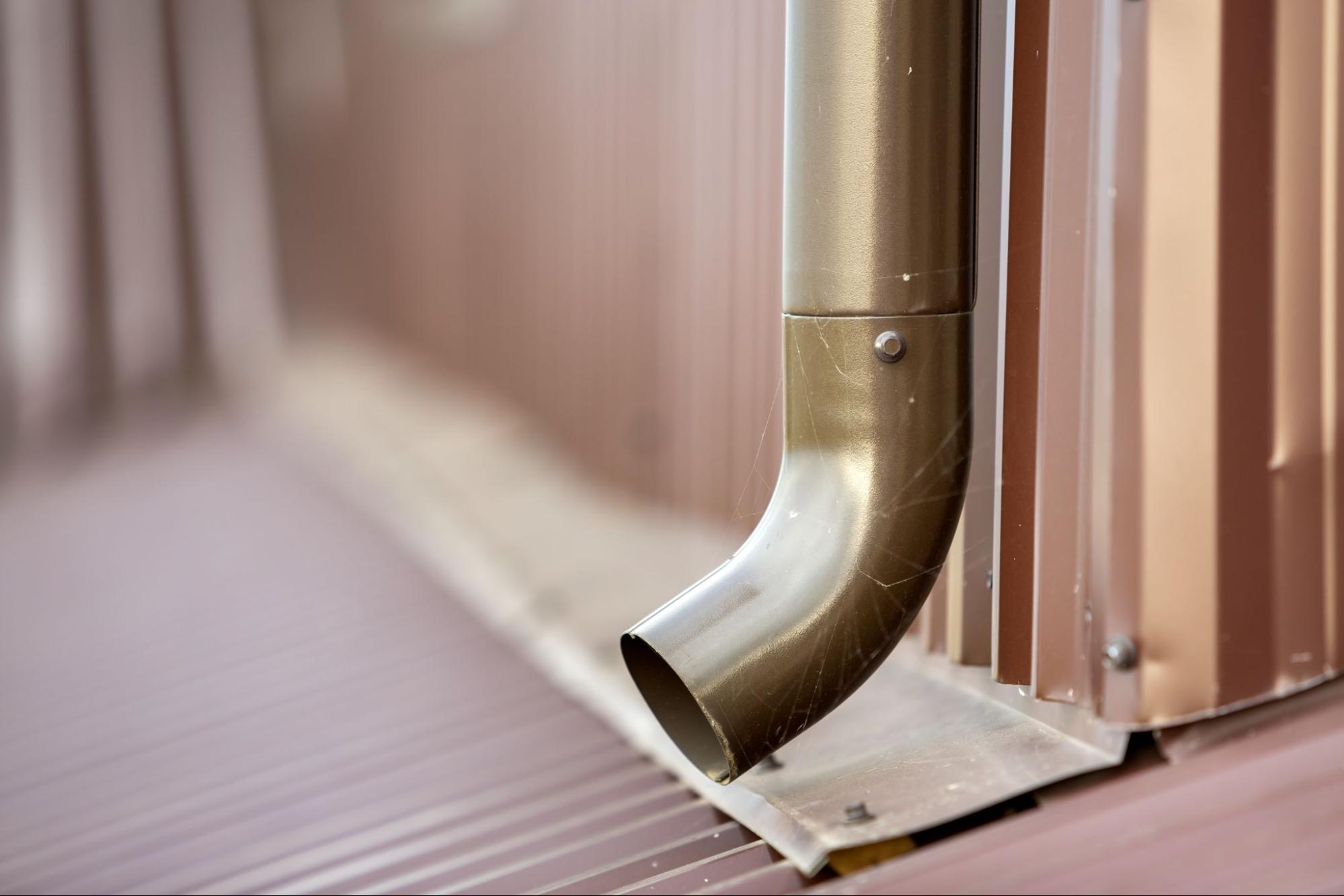
Downspout materials determine how well a system performs under daily weather conditions. This choice affects durability, maintenance needs, and long-term cost. Different materials respond differently to moisture, heat, and debris. Selecting the right option helps maintain consistent drainage performance over time.
Aluminum and Vinyl
Aluminum downspouts offer a lightweight and rust-resistant solution for most properties. This material remains easy to install and requires minimal maintenance over time. Vinyl downspouts provide a cost-effective alternative for smaller or budget-focused projects. This option resists corrosion but may crack under extreme temperature changes. Both materials work well in moderate climates with typical rainfall patterns. However, they may not withstand heavy impact as effectively as stronger materials.
Steel and Copper
Steel downspouts provide strong resistance to dents and heavy weather conditions. This material handles large volumes of water and performs well in demanding environments. Copper downspouts offer durability along with a distinctive appearance that develops a natural patina over time. This feature adds character to high-end or historic properties. Both materials cost more upfront, but often last longer with proper care. These options suit properties where durability and appearance both matter.
Choosing Materials for Your Climate
Climate conditions influence how well a downspout material performs over time. This factor includes rainfall levels, temperature changes, and environmental exposure—areas with heavy rain benefit from stronger materials that handle higher water flow. Coastal locations often require corrosion-resistant options due to salt exposure. Hot climates demand materials that resist cracking from constant sun exposure. This careful selection supports consistent performance across changing seasons.
Downspout Sizing and Placement Guide
Proper sizing and placement improve the efficiency of downspouts in managing water flow. This setup ensures that runoff moves away from the property without overflow. Small adjustments can prevent water buildup and structural damage. Careful planning creates a balanced and effective drainage system.
Selecting the Right Downspout Size
Downspout size should match the amount of water collected from the roof area. This measurement helps determine how much flow the system must handle during rainfall. Larger roofs require wider downspouts to prevent overflow and blockage. Undersized systems often struggle during heavy storms, causing water to spill over the edges. This overflow can damage siding and create pooling near the foundation. Proper sizing allows water to move smoothly without interruption.
Optimal Downspout Placement Tips
Downspouts should be installed where water naturally collects along the gutter system. This placement often includes corners and roof valleys where runoff tends to concentrate. Proper spacing prevents water from accumulating in long gutter sections. This arrangement also directs water away from entrances and walkways for safety. Good positioning reduces surface damage and improves drainage efficiency. Thoughtful placement supports consistent water flow across the property.
Using Extensions and Splash Blocks
Extensions help move water farther away from the base of the structure. This addition reduces the risk of pooling near the foundation. Splash blocks spread water evenly across the ground and prevent soil erosion. These tools protect landscaping and maintain stable ground conditions. Proper use improves how water disperses after leaving the downspout. This system enhancement strengthens overall drainage performance.

Downspout Noise and Impact Control
Downspouts can produce noticeable noise and strong water impact during heavy rainfall. This factor affects comfort levels inside homes and business spaces near exterior walls. Water hitting hard surfaces also causes gradual wear on surrounding areas. Managing both sound and impact improves the overall drainage experience and protects nearby structures.
Reducing Downspout Noise Levels
Downspout noise often comes from fast-moving water traveling through narrow channels. This sound becomes more noticeable when pipes run close to walls or windows. Using wider downspouts can help slow water movement and reduce internal pressure. This adjustment reduces noise intensity during heavy rain. Adding insulated sections or using thicker materials can also soften sound vibrations. Proper placement away from living or working spaces further improves comfort.
Managing Water Impact at Discharge Points
Water exiting a downspout can hit the ground with considerable force during storms. This impact can damage soil, concrete, or nearby landscaping over time. Installing splash blocks helps distribute water evenly and reduce pressure on a single spot. This solution protects surfaces and prevents erosion near the foundation. Angled extensions can also direct water toward safer drainage areas. Controlling impact improves both durability and the property’s long-term appearance.
Design Choices That Improve Comfort
Downspout design plays a role in how both sound and impact affect a property. Smooth interior surfaces allow water to flow with less turbulence, which reduces noise. This feature also helps prevent sudden pressure surges at the outlet. Rounded edges and gradual bends improve flow consistency and minimize disruption. Selecting the right combination of material and shape creates a quieter system. These adjustments support a more comfortable and stable environment.
Smart Downspouts and Modern Drainage
Smart drainage systems now include features that improve how downspouts perform and respond to changing conditions. This approach uses technology to monitor water flow and detect potential issues early. Property owners gain better control over maintenance and system performance. Integrating smart features adds convenience and helps prevent unexpected drainage problems.
How Smart Downspout Systems Work
Smart downspout systems use sensors to track water flow and detect irregular patterns. This technology can identify clogs, leaks, or overflow risks in real time. Alerts notify property owners when the system requires attention. This immediate feedback allows faster response to potential issues. Some systems connect to mobile devices for easy monitoring. This setup improves awareness and reduces the chance of unnoticed damage.
Benefits for Homes and Businesses
Smart drainage solutions provide added reliability for both residential and commercial properties. This system helps reduce maintenance guesswork by offering clear performance data. Businesses benefit from fewer disruptions caused by unexpected drainage failures. Homeowners gain peace of mind knowing their system is being monitored. Early detection of issues helps lower repair costs over time. This approach supports consistent and efficient water management.
Integrating Smart Features With Existing Systems
Existing downspouts can often support smart upgrades without full replacement. This flexibility allows property owners to improve performance without large structural changes. Sensors can be added at key points where water flow needs to be monitored. This setup works well with the current gutter and drainage layouts. Professional installation helps align technology with the system design to ensure accurate readings. Adding smart features enhances functionality while maintaining the original system structure.
Reinforce Your Downspouts for Long-Term Stability
Strong drainage systems start with choices that address both current needs and future conditions. Downspouts that align with your property’s layout help control water before problems develop. This approach reduces strain on foundations, surfaces, and surrounding soil over time. Consistent performance supports a cleaner exterior and fewer unexpected repairs. A qualified gutter contractor can assess your system and recommend practical, lasting improvements. A refined downspout setup brings steady protection that holds up year after year.
Take a closer look at what effective drainage really means—read more on the Quality Rain Gutters, Inc. blog and make informed decisions for your property.