Author name: Nancy.diaz@brandrep.com

Roof drain on rustic two-story wooden house with white balcony.
Lake Havasu City, Services

The Difference Between Scuppers and Roof Drains: What You Should Know

Roofs do more than keep out the weather; they quietly protect your building’s structure day after day. But when it rains, that protection depends on how well the roof handles water. If it fails, the damage can creep in fast: stained ceilings, mold growth, and even structural decay. Many building owners and managers are stuck choosing between roof scuppers and drains, unsure which is right. That decision matters more than most realize and can save or cost thousands. What Are Roof Scuppers and How Do They Function? Roof scuppers are simple yet effective openings built into parapets or perimeter walls. They let water exit the roof before it builds up. Unlike internal systems, scuppers rely on gravity and open flow. They’re often used in commercial or industrial roofs with flat or low slopes. Definition and Basic Function A roof scupper is an outlet set at the roof’s edge, usually through a wall or parapet. It provides a direct escape route for standing water. Water flows from the scupper, dropping to the ground or entering a downspout system. The system is external and evident, which helps with maintenance but may affect aesthetics. Types of Scuppers You Might Encounter There are several roof scuppers, each suited to a specific setup. Channel-type scuppers direct water through a sleeve or duct. Through-wall scuppers pass water through the building’s exterior and into downspouts. Open scuppers leave the outlet exposed for quick drainage. Materials like copper, aluminum, or stainless steel are standard. Placement and sizing depend on roof dimensions and expected rainfall. How Scuppers Move Water Off the Roof Scuppers use gravity to drain water away from the roof’s edge. They work best when installed with a slight slope directing water toward the outlet. Water flows fast and visibly during heavy storms, giving building managers a real-time look at drainage performance. However, if blocked by debris, scuppers may overflow and cause streaking on exterior walls. Overflow Scuppers for Backup Protection Overflow scuppers act as a second line of defense. They’re set slightly higher than the main scuppers. If primary drainage clogs or fails, water exits through the overflow scuppers. It prevents ponding or pressure damage to the roof membrane. Many building codes now require them in commercial roof designs. What Are Roof Drains and Their Role in Drainage Roof drains work quietly beneath the surface, pulling water through the roof into interior pipes. This setup is typical in larger buildings where exterior drainage isn’t practical. These systems offer a sleek, invisible solution but require more engineering and upkeep. Basic Definition and How Roof Drains Work Roof drains are plumbing fixtures embedded into the roof surface. Water enters through a strainer and passes into a pipe system. These pipes run through the interior of the building and connect to storm sewers or collection tanks. The system is hidden but carefully designed. A proper slope toward each drain ensures efficient water removal. Key Components of a Roof Drain System Each roof drain includes a dome strainer to block debris. Beneath that is a sump or bowl that channels water into the piping system. Flashing keeps water from seeping around the base of the drain. The connected piping runs vertically or horizontally, depending on the building layout. Together, these parts form a sealed, secure drainage path. Water Flow and Drainage Performance Internal drains work best on large, flat roofs where water must travel far. A correctly sloped deck directs water toward each drain head. During storms, the water disappears quickly without visible runoff. Snowmelt is also handled efficiently since drains are insulated and protected from freezing. However, a clogged pipe inside the building is more difficult to detect and fix. Comparing Scuppers and Roof Drains in Real Use Choosing between these systems isn’t just technical; it shapes how a building looks, functions, and ages. Each system offers unique benefits and challenges. The wrong call can lead to leaks, costly repairs, or safety concerns. Installation Demands and Long-Term Maintenance Scuppers are relatively easy to install. They don’t require internal plumbing or complex connections. Roof drains, in contrast, must be placed carefully during construction or major renovations. They need sloping, flashing, insulation, and access panels. Maintenance is easier with scuppers because the drainage path is visible and accessible. Aesthetic and Structural Considerations Scuppers are visible outside the building. While some architects integrate them artistically, others find them intrusive. Roof drains stay hidden and maintain clean exterior lines. However, they occupy space inside walls or ceilings and can complicate other systems. Either method affects how the building is framed and sealed. How Each System Handles Harsh Weather If properly sized and clear, scuppers shed water rapidly in heavy rain. However, if blocked, overflow can stain walls or erode landscaping. Roof drains can handle larger volumes through multiple intake points. However, they risk clogging from roof debris or freezing if poorly insulated. Buildings in wet or snowy climates rely more on drains, especially when combined with heating cables or sump pumps. Costs and Life Cycle Value Scuppers have a lower upfront cost, especially on simple buildings. They require less material, planning, and labor. Roof drains cost more at installation due to plumbing needs. However, large commercial roofs often offer better long-term performance. Choosing based on lifecycle costs, not just price, avoids future repair headaches. When Scuppers Are the Better Option for Your Roof Scuppers work better in certain situations. They’re ideal for flat or low-sloped roofs with short water travel distances. Depending on your goals, their simplicity and visibility can be tangible assets. Roof Types and Climates Suited for Scuppers Scuppers fit best on small to medium roofs that slope slightly. These roofs need basic runoff systems rather than deep drainage. The quick-shedding design benefits areas with light or moderate rainfall. It’s also valuable for dry regions where water rarely pools. In those conditions, scuppers can perform well with minimal upkeep. Maintenance and Access Advantages Because scuppers are exposed, they’re easy to check and clean. Leaves, trash, or ice are visible and
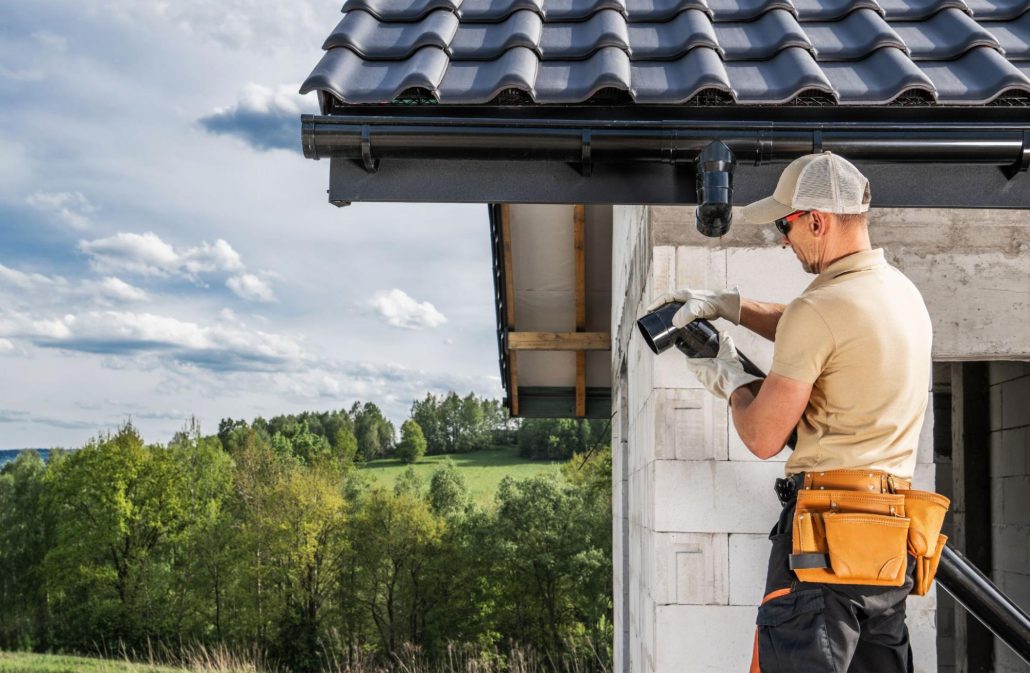
A gutter installer fixing the downspout during gutter installation.
Gutter Services, Lake Havasu City

What to Expect From Experienced Gutter Installers?

Water can ruin more than paint or siding. Without proper drainage, it eats away at your home’s foundation, damages landscaping, and leaks into basements. When gutters are installed carelessly, those repairs cost more than the gutters ever did. People hiring pros for gutter work aren’t just buying metal channels but reliability, peace of mind, and long-term protection. The right installer makes all the difference from day one. What Experienced Gutter Installers Bring to the Table Hiring experienced gutter installers isn’t just about finding someone with tools. It’s about hiring someone who understands your home’s needs. A veteran installer reads a roof’s slope like a map and plans a drainage system that works with your property. They make smart calls based on years of trial, error, and success. Practical Knowledge That Speeds Up Smart Decisions Experienced installers have learned what works and what fails. They can adapt gutter designs to unusual roof angles or awkward fascia boards. Instead of guessing, they draw from hundreds of past jobs for the best outcome. That means fewer mistakes, less material waste, and better flow control. Their instincts reduce risk and improve results right from the start. Homeowners don’t just get faster work; they get better work. Material Choices That Match Performance With Conditions Choosing the right material takes more than flipping a catalog. Skilled gutter installers consider your weather, roof size, and budget. They suggest aluminum for low-cost reliability or steel for wind-prone zones. Each material behaves differently under stress, and pros know when each fits. It helps you avoid premature replacements or expensive fixes. The right match boosts performance for years. Installations That Stay Within Code and Build Trust Every city and county has different installation codes. Professional gutter installers know the rules and follow them without shortcuts. They anchor gutters at the correct height, use approved brackets, and pitch them to meet standards. They also work safely, using stable ladders and fall gear when needed. It keeps your project legal and keeps you safe from fines or injuries. It also speaks to the installer’s overall professionalism. How the Gutter Installation Process Should Flow The process of installing gutters varies based on your home. But with experienced professionals, there’s a clear structure that balances speed and quality. They prepare, plan, install, and test each part to ensure nothing’s missed. A smooth process from start to finish reduces mess and stress. Site Evaluation That Catches Problems Early The first thing experienced installers do is walk the site. They look for issues like warped fascia, old nails, or clogged downspouts. They assess where water pools around your foundation or roof edges. It helps them create a design that prevents common failures. Nothing is left to guesswork because they know what to check and how to fix it before work begins. That early inspection keeps the whole job on track. Custom Designs That Fit Your Home’s Layout A sound gutter system doesn’t come in one shape or style. Skilled installers design each system to match the roofline and drainage zones. They calculate slopes, downspout placement, and flow rate carefully. If leaf guards or seamless options make sense, they’ll explain why. This level of detail helps the system perform well without constant attention. You get fewer clogs, better drainage, and less maintenance. On-Site Fabrication for Seamless Precision Many seasoned installers bring mobile units to make gutters on-site. That eliminates leaks caused by joints or seams in pre-cut systems. Seamless gutters fit the house exactly and look sharper, too. On-site fabrication also speeds up the job since there’s no waiting for pre-made parts. The result is a more secure, better-looking finish. Homeowners notice the difference right away. Installation Techniques That Prevent Long-Term Damage Gutters should never sag or detach under load. Experienced installers use hidden hangers, correct spacing, and durable sealants. They fasten all components to solid wood, never reusing old brackets or taking shortcuts. They also pitch gutters appropriately to allow steady flow, even in storms. That prevents water from backing up under shingles or overflowing onto siding. The techniques they use keep problems away for years. After-Installation Support From Gutter Installers You Can Count On A finished installation isn’t the end of the relationship. Experienced gutter installers offer support even after the job is completed. From warranties to practical maintenance advice, they remain accessible. That’s not just good service; it’s protection for your home. Warranty Coverage That Means Something Professionals stand by their work and offer easy-to-understand warranties. These usually cover both materials and labor for several years. If your gutter shifts or leaks during everyday use, they’ll return to fix it. That saves you from unexpected repair bills or chasing unresponsive contractors. A genuine warranty adds value to the job and signals that the installer doesn’t cut corners. Seasonal Maintenance Guidance That Extends Lifespan Gutter systems can last longer with basic seasonal care. Reliable installers advise on cleaning schedules, debris checks, and wear signs. Some recommend gutter guards for areas with heavy leaf fall. Others offer annual tune-ups for a low fee. When professionals explain how to maintain the system, you avoid expensive repairs later. Simple steps go a long way. Reliable Follow-Up for Peace of Mind Problems don’t always show up on day one. That’s why seasoned installers are ready to help months later if needed. If a bracket loosens or a downspout detaches, you can count on a return visit. You won’t be left searching for someone new to fix the mess. Good installers stick around because their reputation depends on it. Their support brings confidence that lasts beyond the installation. How to Choose Gutter Installers Who Know Their Craft Not every contractor advertising gutter services delivers real results. Spotting the pros means looking past ads and prices. It means checking credentials, past work, and how they speak to you. Choosing the right one saves time, stress, and repairs down the road. Transparent Estimates That Show the Full Picture An experienced installer gives written estimates that break down the cost. Labor, materials,

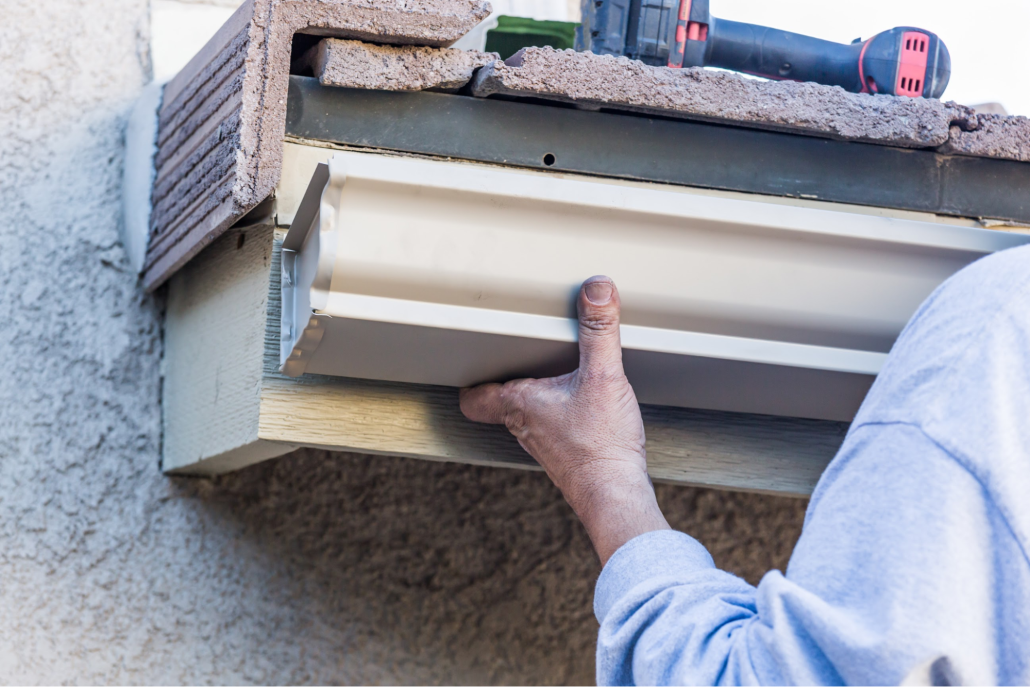
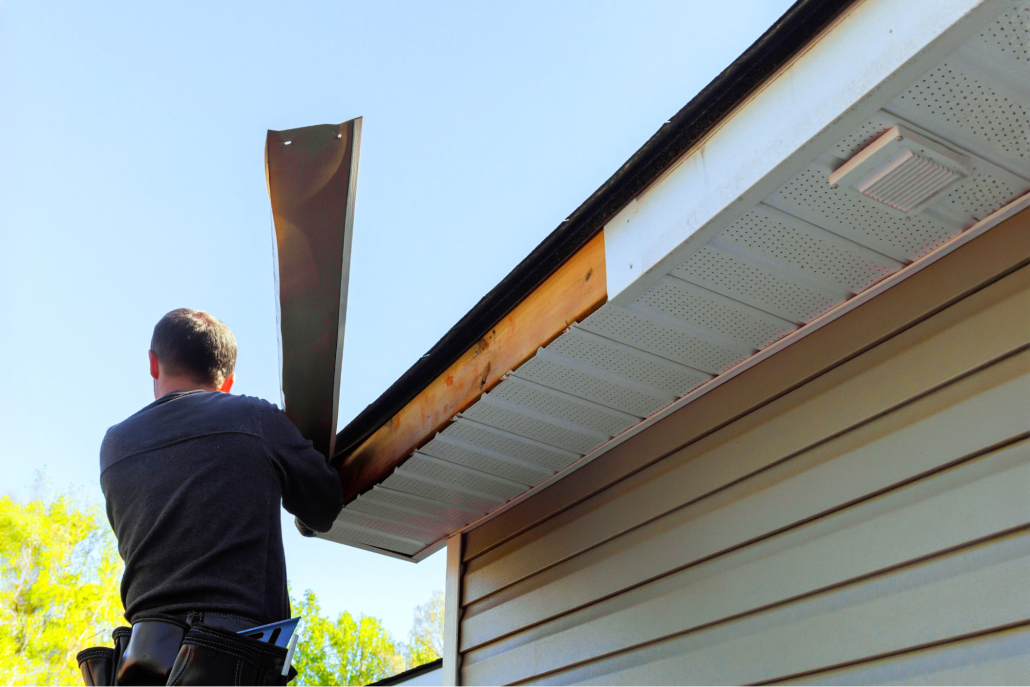
A man making remodels to a fascia.
Gutters

How Soffit and Fascia Repair Works With Gutter Maintenance

Your roof may get the spotlight when it comes to protecting your home, but the supporting cast—your soffit, fascia, and gutters—play equally vital roles. These often-overlooked components help ventilate your attic, protect your roofline, and guide rainwater safely away from your structure. When one element fails, it puts the entire system at risk. That’s why understanding how soffit and fascia repair works with gutter maintenance is key to preserving the structural integrity, appearance, and longevity of your home. What Are Soffit and Fascia? Soffit and fascia may not be as visible as your shingles or siding, but they play a critical role in protecting your roofline and supporting your gutter system. Before diving into repairs and maintenance, it’s essential to understand what each component does and how they work together. Soffit: Ventilation and Protection The soffit is the exposed underside of your roof’s overhang. It helps ventilate the attic and prevents moisture buildup inside your roofing system. Most soffits are made from aluminum, vinyl, or wood and are designed to allow airflow while protecting your rafters from weather and pests. If your soffit is damaged or clogged, attic air can stagnate, leading to mold growth, ice dams, and heat buildup. Fascia: Structural Support and Gutter Mounting The fascia is the horizontal band that runs along the edge of the roof where the gutters are attached. It serves as a support board for the lower edge of the roof and acts as a mounting surface for the gutter system. A compromised fascia board can weaken your gutter’s stability and lead to sagging leaks or complete detachment during heavy storms. The Connection Between Soffit, Fascia, and Gutters Your soffit, fascia, and gutter system work together as a unit to protect your home from water damage. When water isn’t properly channeled away due to clogged or broken gutters, it can overflow and saturate the fascia boards. From there, moisture can creep into the soffit and eventually into your attic. Likewise, if the fascia begins to rot or crack, it can no longer support your gutters, which then sag or pull away, worsening drainage issues. It’s a domino effect—when one piece fails, the others follow. Why Gutter Maintenance is Critical to Soffit and Fascia Repair Even a perfectly installed soffit and fascia system can fail if your gutters aren’t properly maintained. This section explores how clogged or damaged gutters directly impact the condition and longevity of your soffit and fascia. Preventing Water Overflow Clogged gutters overflow during heavy rain, sending water down the face of your fascia boards and into the soffit vents. This constant saturation causes wood rot, mold, and potential structural failure. Regularly cleaning your gutters—especially during fall and spring—keeps water flowing where it belongs. Reducing Ice Dams and Moisture Intrusion In colder climates, blocked gutters contribute to the formation of ice dams. When water freezes at the roof edge and can’t drain properly, it backs up under the shingles and into the soffit and fascia. Keeping gutters free of obstructions minimizes this risk and protects your home during winter months. Protecting Structural Integrity Even the best gutter system will fail if it’s mounted to a rotting fascia. When fascia boards degrade due to persistent moisture exposure, they lose their strength and can no longer hold the weight of the gutters—especially during storms or when filled with debris. Maintaining gutters helps support the longevity of the fascia boards and prevents premature failure. How Soffit and Fascia Repair is Done Repairing soffit and fascia involves more than just replacing trim boards—it requires careful assessment, proper tools, and coordination with the gutter system. Here’s a step-by-step look at how professionals approach the repair process to ensure long-lasting results: Step 1: Inspection and Damage Assessment The first step in any soffit and fascia repair is a detailed inspection. Contractors look for visible rot, warping, moisture damage, pest nests, and peeling paint. They may also check for signs of mold or attic ventilation issues. The condition of the connected gutter system is also reviewed to identify whether the root cause stems from poor drainage. Step 2: Gutter Removal and Protection Before repairs can begin, the gutter system is temporarily removed or safely braced to access the damaged fascia boards and soffit panels. In many cases, this step reveals hidden water damage or pests that weren’t visible during the initial inspection. Step 3: Replacing or Repairing Fascia Boards Fascia boards are removed and replaced if they show signs of rot, cracking, or separation. New boards are typically made from treated lumber, aluminum, or composite materials for increased durability. The new boards are sealed, painted, or capped with aluminum wrap for added weather protection. If only minor damage is found, patching or reinforcing the existing board may be an option. Step 4: Soffit Panel Installation Damaged soffit panels are removed and replaced with vented or solid soffit, depending on the home’s ventilation needs. New soffit material is installed snugly into place and sealed to prevent pest entry and moisture infiltration. Vinyl or aluminum soffits are often used as long-lasting, low-maintenance options. Step 5: Gutter Reinstallation and Alignment Once the soffit and fascia repairs are complete, the gutter system is reattached or replaced as needed. Proper pitch and alignment are checked to ensure water flows smoothly to the downspouts. Brackets and hangers are reinforced to guarantee secure mounting. Step 6: Final Sealing and Paint Touch-Ups Caulking, sealing, and painting are done to protect the new wood and provide a seamless appearance. Flashing may also be installed where necessary to divert water away from vulnerable seams and junctions. The Role of Gutter Guards and Covers in Soffit and Fascia Repair Gutter guards do more than keep leaves out—they help protect your soffit and fascia from water damage caused by clogs and overflow. This section explains how adding guards or covers can extend the life of your repairs and reduce future maintenance: Keeping Debris Out Installing gutter guards helps keep leaves, twigs, and roof grit from clogging your gutters. This simple

Roof Gutters

Signs You Need to Call Seamless Gutter Contractors Right Away

Seamless gutters play a vital role in protecting your home from water damage, yet many homeowners overlook issues until it’s too late. Damaged, sagging, or overflowing gutters can cause extensive harm to your roof, siding, and foundation. If you’re noticing signs of wear or failure in your gutter system, it may be time to contact experienced seamless gutter contractors. Their expertise in creating custom-fit systems ensures your home stays dry and structurally sound through every season. Overflowing Gutters Are a Job for Seamless Gutter Contractors Gutters that spill water over the edges during rainstorms are not working as they should. Whether due to clogs, poor installation, or system failure, overflowing gutters allow water to damage your foundation and walls. Seamless gutter contractors specialize in diagnosing and resolving these issues by installing custom-fit, leak-resistant systems. Their work ensures that water flows away from your home safely and efficiently. Water Spilling Over the Edge Can Lead to Major Damage Overflowing gutters result in erosion around the foundation, basement flooding, and damaged flower beds. When this happens regularly, the risk to your home’s structural health grows significantly. Seamless gutter contractors prevent this by installing systems tailored to your roof size and local rainfall, eliminating overflow at the source. Seamless Systems Prevent Repeated Overflows Traditional sectional gutters have seams that trap debris and encourage blockages. Seamless gutter contractors eliminate this problem by designing a continuous system that allows water to flow freely. With fewer joints and custom-fitted slopes, overflows are a thing of the past. Sagging Gutters Mean It’s Time for Seamless Gutter Contractors When gutters begin to sag or pull away from the roof, they can no longer function correctly. This issue often results from excessive weight caused by standing water, debris, or deteriorating brackets. Seamless gutter contractors will assess the extent of the damage and replace sagging sections with properly supported, long-lasting, seamless systems. Their installations ensure your gutters remain level and functional for years to come. Drooping Gutters Can Collapse Under Weight Excess weight from wet leaves or standing water strains your gutters beyond their limits. Over time, this stress causes them to pull away from the fascia or collapse altogether. Seamless gutter contractors resolve this by installing robust hangers and slope adjustments that prevent future sagging. Seamless Gutter Contractors Reinforce the Fascia Sagging gutters often damage the fascia they are attached to, especially if water has already begun to rot the wood. Seamless gutter contractors inspect this area closely and make necessary repairs before securing a new system. This two-step approach ensures lasting performance and a cleaner aesthetic. How Seamless Gutter Contractors Prevent Siding Damage Streaks or discoloration on your home’s siding are red flags that your gutters are leaking or not draining correctly. Water that runs down the walls instead of through downspouts can cause long-term rot, mildew, and aesthetic damage. Seamless gutter contractors eliminate leaks and misalignment, providing smooth water flow that protects your home’s exterior. A professionally installed seamless system prevents these unsightly and harmful effects. Leaks Cause Unsightly and Costly Damage Water dripping behind siding can warp wood, peel paint, and attract pests that thrive in moisture-rich environments. Seamless gutter contractors prevent this by sealing every connection point and ensuring the system fits your home precisely. Their work keeps your siding dry and your curb appeal intact. Seamless Gutters Eliminate Leak Points Sectional gutters contain numerous seams and joints, which are common locations for leaks to develop. Seamless gutter contractors fabricate systems in one continuous length, which dramatically reduces the potential for leak sites. Fewer seams mean less maintenance and greater peace of mind for homeowners. Seamless Gutter Contractors Help With Standing Water If you consistently notice standing water inside your gutters long after a rainstorm, it’s a serious warning sign. Water should never pool in a properly sloped and functioning gutter system. Seamless gutter contractors inspect your setup and correct pitch problems, debris buildup, or structural damage. Their seamless systems ensure that water flows freely to the downspouts. Poor Pitch Causes Improper Drainage Even a small slope error can cause rainwater to linger in gutters, leading to mosquito breeding, rust, and ice dams in winter. Seamless gutter contractors adjust pitch with precision to ensure consistent water movement. Their approach ensures your gutters remain dry between storms. Seamless Gutters Maintain Optimal Flow Thanks to the absence of seams, custom seamless gutters provide a smooth interior surface that minimizes resistance and blockages. Seamless gutter contractors measure and install each segment to support continuous water flow, eliminating areas where water tends to collect. Seamless Gutter Contractors Assist With Mildew The appearance of mold or mildew around your home’s foundation, fascia, or soffits often indicates gutter failure. Leaks and overflow create persistent moisture that encourages fungal growth in these areas. Seamless gutter contractors identify where water is escaping and design a solution that removes excess moisture from your property. Their seamless installations minimize future mold risks by directing water safely away from your home. Moisture Accumulation Leads to Health Hazards Prolonged dampness encourages mold spores to spread, leading to respiratory issues for your family. Seamless gutter contractors eliminate this health threat by fixing leak sources and restoring adequate water flow. Their installations reduce the likelihood of mold-friendly environments forming near your home. Preventing Mold Starts With Gutter Design Mold prevention isn’t just about cleaning—it begins with controlling where water travels. Seamless gutter contractors tailor each system to your home’s architecture, ensuring rainwater doesn’t pool near critical structural elements. The result is a dry, healthier environment. Ice Dams Require Seamless Gutter Contractors Immediately In cold climates, poorly draining gutters lead to dangerous ice dams along your roof’s edge. Ice dams trap melting snow on the roof, allowing water to back up under shingles and leak into your attic. Seamless gutter contractors prevent this by installing systems with proper slope and smooth drainage that limit freeze points. Their seamless gutters also reduce clogs, which commonly contribute to ice buildup. Ice Dams Cause Major Roofing Issues Ice dams can damage shingles,

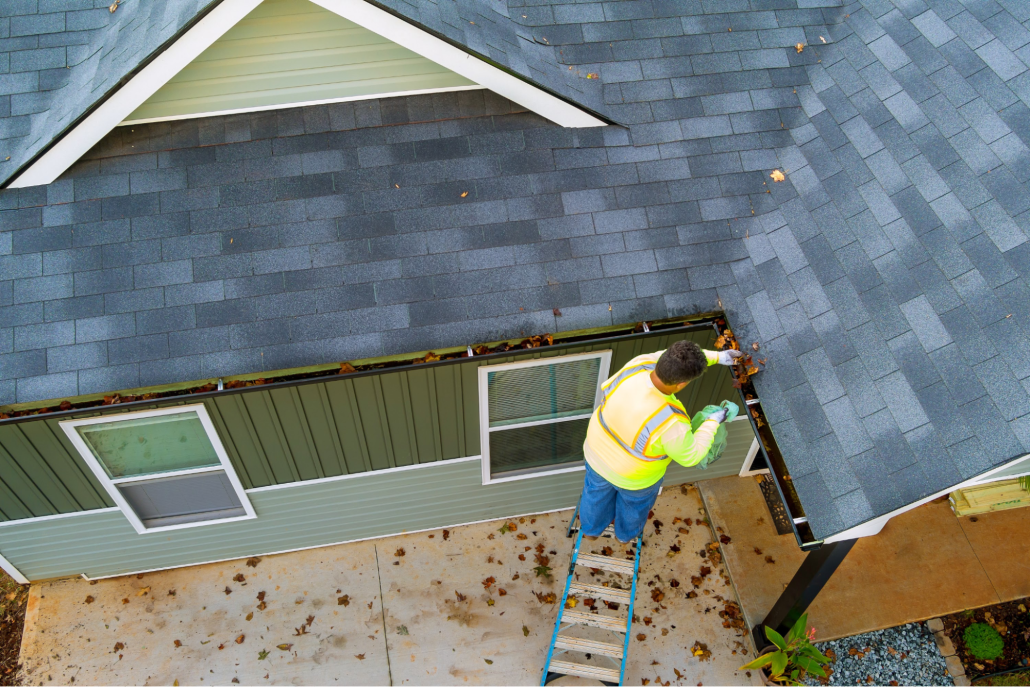
A contractor cleaning a gutter.
Services

Why Gutter Cleaning and Repair Should Be Part of Your Seasonal Routine

Every season brings unique challenges to your home, but few are as consistently overlooked as those caused by clogged or damaged gutters. While they may seem like a minor component of your property, gutters are crucial in protecting your roof, siding, foundation, and landscaping from costly water damage. Without regular gutter cleaning and repair, buildup from leaves, debris, and weather-related wear can lead to severe structural problems that escalate quickly. Making gutter maintenance part of your seasonal routine is one of the simplest yet most effective ways to safeguard your home year-round. How Clogged Gutters Lead to Costly Repairs Gutters are only effective when water can flow freely through them. Once clogged with leaves, twigs, dirt, or shingle granules, water spills over the edges. Instead of being carried safely away, water begins to soak into areas it was never meant to reach, like siding seams and foundation joints. If left unchecked, the damage can lead to thousands of dollars in repairs. The Role of Gutter Cleaning in Preventing Roof Damage Your roof depends on clean, functioning gutters to drain water effectively. When gutters are blocked, water backs up and sits at the roof’s lower edge, eventually seeping into the underlayment and attic. This standing water accelerates the deterioration of shingles and may even cause wood to rot beneath the surface. Seasonal gutter cleaning preserves the roof’s integrity and prevents costly roof replacements. Addressing Roof Rot Before it Spreads When roof materials begin to rot, the damage can spread rapidly into the rafters and internal supports. Mold can also grow in the affected areas, further weakening the structure. Roof rot caused by gutter overflow is entirely preventable with regular maintenance. A clean, clear gutter line keeps moisture away from these critical zones. Protecting Your Home’s Foundation Through Gutter Cleaning The home’s foundation is among the most expensive components to repair or replace. When gutters don’t work, water falls directly at the base of the house. Over time, this consistent moisture can cause the soil to shift, creating pressure against the concrete or block walls. Gutter cleaning removes water, keeping the soil dry and the foundation stable. How Water Causes Cracks and Basement Leaks Water that collects near the foundation can freeze during colder months, causing the structure to expand and crack. Even in warmer climates, poor drainage can saturate the ground and increase hydrostatic pressure. This pressure enters the basement walls and floors, leading to leaks or flooding. A clean and well-maintained gutter system prevents this destructive cycle. Avoiding Damage to Siding With Gutter Cleaning Water from overflowing gutters doesn’t just damage the top or bottom of the house; it also affects the interior. It also trickles down the sides, soaking into the siding, trim, and fascia boards. These materials aren’t designed to withstand constant wet conditions. Seasonal gutter cleaning stops this water from pouring down your home’s side and deteriorating its appearance. Preserving the Appearance of Your Exterior Over time, dirty water leaves stains on siding and paint, while repeated wetting and drying can cause blistering and peeling of the paint. Rotting fascia boards are also a common side effect of blocked gutters. Keeping your gutters clean protects your home’s visual appeal and preserves its structural components for longer. Seasonal Changes Bring Unique Gutter Cleaning Challenges Each season presents its threats to your gutter system. In the fall, falling leaves and twigs are the primary culprits of clogging. Winter brings snow, ice, and freezing conditions that physically strain your gutters. Spring introduces seed pods, blossoms, and increased rainfall, while summer storms drop branches and heavy debris. Gutter cleaning should be scheduled seasonally to tackle these evolving challenges. Why Fall and Spring Are Especially Critical The most critical times for gutter cleaning are before winter and after snowmelt. In the fall, debris needs to be removed before snow and ice can trap it in place. In spring, gutters must be cleared to handle heavy seasonal rain. Ignoring either season increases the risk of damage during the year’s most intense weather. The Link Between Gutter Cleaning and Pest Control Clogged gutters are a haven for pests. When organic material and stagnant water accumulate, they attract insects, birds, and rodents. Mosquitoes, in particular, breed rapidly in standing water. Regular gutter cleaning eliminates these conditions and reduces the likelihood of pests making your gutters or home their new habitat. Rodents and Birds Building Nests in Gutters Birds and squirrels often use clogged gutters as nesting spots. Once they move in, they can cause additional blockages and damage. Rodents may find ways inside your attic through gaps created by water damage. Cleaning your gutters seasonally helps keep pests away from your roofline and discourages infestations. Enhancing Curb Appeal With Gutter Cleaning Gutters may not be the first thing people notice, but they affect your home’s visual impression. Dirty or sagging gutters appear neglected and detract from curb appeal. Potential buyers often associate the condition of the gutters with the overall maintenance of the property. Keeping your gutters clean enhances property value and helps your home make a great first impression. Showcasing a Well-Maintained Home Buyers and appraisers look for signs of responsible ownership. A clean gutter system with no water stains, plant growth, or detachment indicates that the home has been well cared for. If you’re selling, seasonal gutter cleaning should be part of your pre-sale checklist to improve buyer confidence. Cleaning Your Gutters to Avoid Ice Dams and Winter Hazards Ice dams are a common winter problem in cold climates. When melting snow cannot drain through clogged gutters, it refreezes at the roof’s edge, forming a dam that traps water behind it and forces it beneath the shingles. Cleaning gutters before winter prevents this buildup and protects your roof from leaks. Preventing Damage From Ice Expansion Water expands when it freezes, and that expansion can split seams, crack brackets, and even pull gutters away from the house. It also adds significant weight to the gutter system. Keeping your gutters clear in winter helps

In Business Since 1986

© 2025 Quality Rain Gutters Inc. | All Rights Reserved. | Digital Marketing by BrandRep | Website Hosting by SkyPoint Studios
Scroll to Top