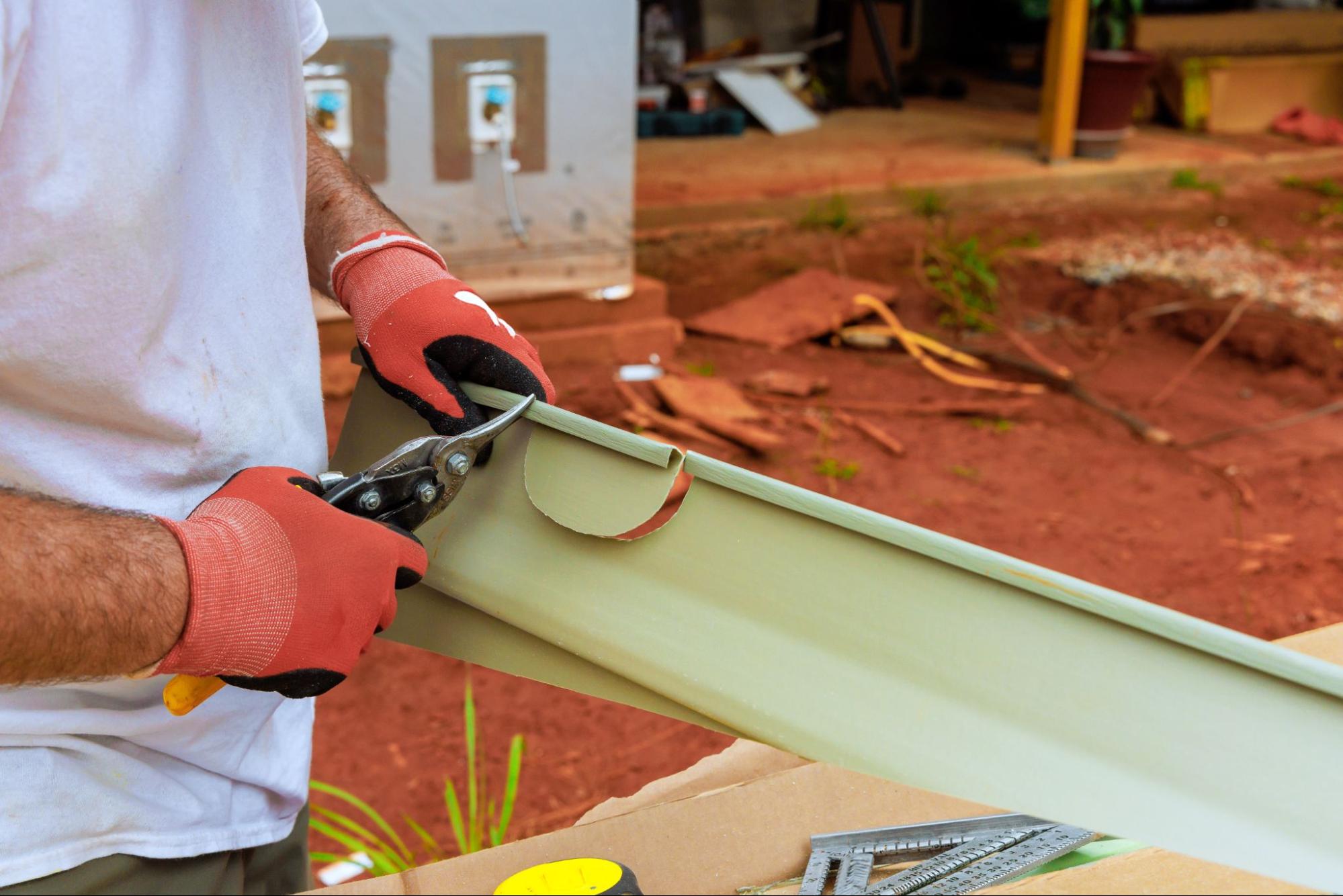
Rainwater rarely draws attention until it starts damaging parts of your home. Many property owners notice stains or pooling water before checking their gutters. These warning signs often indicate issues that require timely fixes within the drainage system. Small problems can quickly escalate into structural issues that cost more to address. Understanding how gutter systems fail helps you protect your property with better decisions.
Why Gutter Repairs Protect Property
Gutter repairs keep water moving away from your home and prevent structural strain. A working system directs rainwater safely and avoids buildup near critical areas. When gutters fail, water spreads across surfaces that cannot handle constant moisture. This condition creates risks that grow over time and affect multiple parts of the structure.
Foundation Damage From Poor Drainage
Water that collects near the foundation increases pressure on concrete surfaces. Over time, this pressure leads to cracks that weaken the structure. Soil saturation also causes shifting that affects floors and walls inside. This movement often results in uneven surfaces and visible interior damage. Property owners should watch for puddles or damp areas after rainfall. Addressing these signs promptly reduces the risk of more serious structural issues.
Roof Edge and Fascia Deterioration
Overflow pushes water under shingles and along the roofline. This moisture weakens materials and shortens the roof’s lifespan. Fascia boards begin to rot when they remain damp for long periods. This damage reduces support for gutters and increases the risk of detachment. Property owners may notice peeling paint or dark streaks along edges. Fixing these issues helps maintain both durability and appearance.
Common Gutter Repairs Homeowners Face
Gutter repairs often involve fixing damage caused by debris, weather, and aging materials. Property owners deal with recurring issues that disrupt proper water flow. Each repair type addresses a specific weakness within the system. This understanding helps you respond quickly and limit further damage.
Repairing Leaks and Small Holes
Leaks often form at seams or areas exposed to constant moisture. Small holes may develop due to rust or impact over time. This damage causes water to drip onto the siding or near the foundation. Sealants and patches can fix minor leaks when applied correctly. Property owners should monitor these areas for recurring problems. Addressing leaks promptly reduces the need for more complex repairs later.
Reattaching Loose Gutters Securely
Gutters loosen when fasteners wear out, or debris adds excess weight. This separation disrupts water flow and creates sagging sections. Reattaching gutters requires replacing brackets and securing them firmly. Proper spacing helps distribute weight and prevents future detachment. Property owners should check alignment after heavy rain. Keeping gutters secure improves overall drainage performance.
Fixing Sagging Gutter Sections
Sagging occurs when supports fail or when debris adds extra weight. Water collects in low spots instead of flowing toward downspouts. This buildup increases strain and worsens the problem over time. Adjusting the slope and adding supports restores proper alignment. Property owners should remove debris to avoid repeated sagging. Maintaining the correct angle helps water move efficiently through the system.
Clearing Clogged Gutters and Downspouts
Leaves, twigs, and dirt collect in gutters, creating clogs. This buildup prevents water from flowing through the system properly. Overflow then damages nearby surfaces and landscaping areas. Downspouts also clog, preventing water from exiting efficiently. Regular gutter cleaning restores drainage and reduces stress on the system. Property owners should inspect gutters after storms or seasonal changes.
Repairing Key Gutter Components
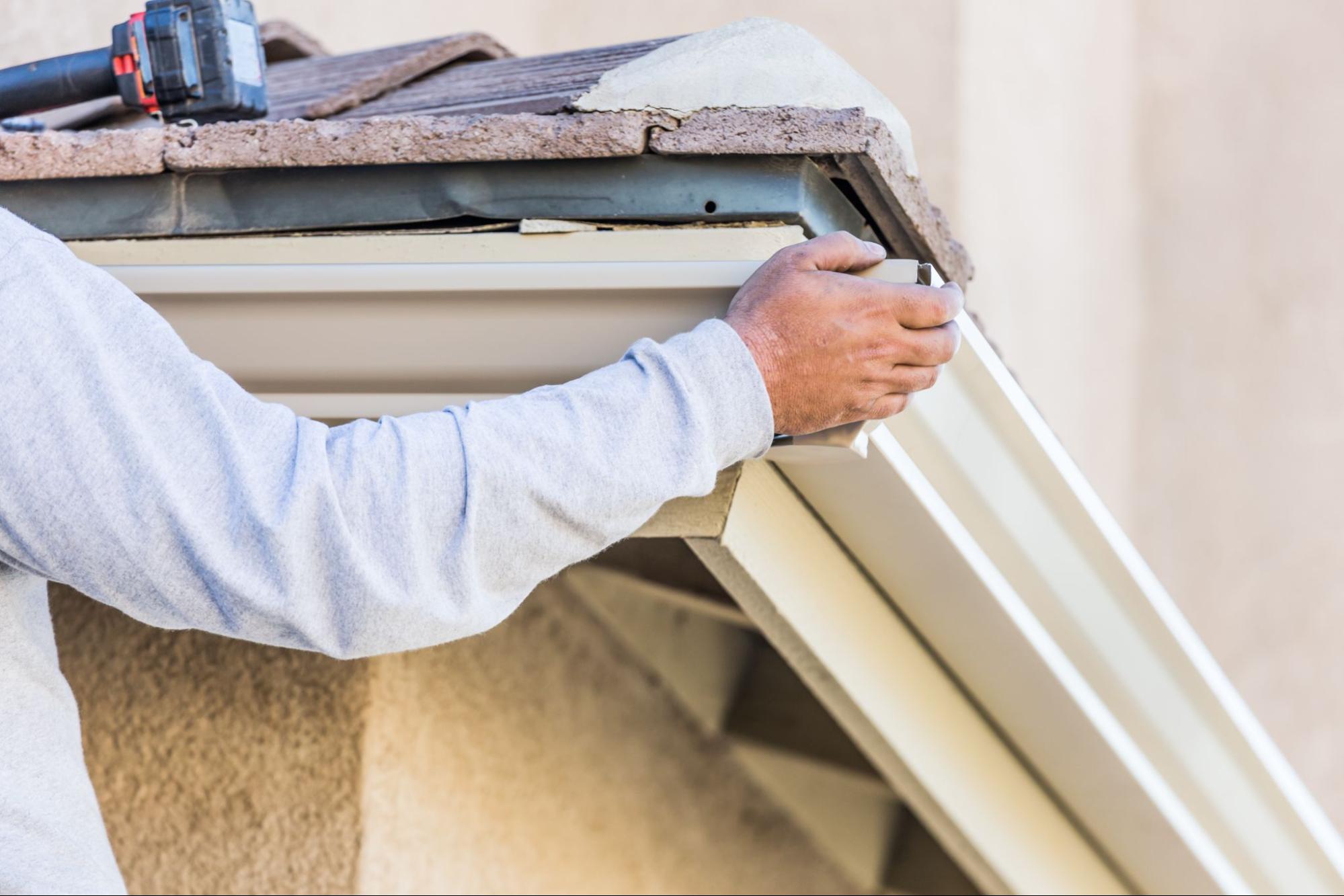
Gutter repairs focus on restoring individual parts that affect overall performance. Each component plays a role in directing water away from the home. Damage to one section can disrupt the entire system. This approach helps property owners decide when to repair or replace parts.
Downspout Repair and Replacement
Downspouts carry water away from the structure and prevent pooling near the base. Damage or disconnection allows water to collect around the foundation. Common issues include dents, clogs, and loose joints. Minor problems can often be fixed by sealing or reconnecting sections. Replacement may offer better results when damage becomes extensive. Extending downspouts further from the home improves drainage control.
Sealing Gutter Joints and Seams
Seams weaken due to expansion and contraction caused by temperature changes. This separation allows water to leak through connection points. Resealing joints restores their strength and prevents further leakage. Durable sealants designed for outdoor use provide better protection. Property owners should inspect seams regularly for early signs of wear. Maintaining tight connections keeps the system watertight.
Treating Rust and Corrosion Damage
Rust develops when protective coatings wear away, exposing metal surfaces. This corrosion weakens materials and creates small openings. Left untreated, rust spreads and affects larger sections of the system. Cleaning and applying protective coatings slows further deterioration. Property owners should watch for discoloration or flaking metal. Severe corrosion may require replacing damaged sections.
Hidden Signs of Gutter Failure
Gutter repairs often begin after visible damage appears, but hidden signs usually develop first. These subtle indicators can reveal drainage problems before exterior issues become obvious. Many property owners overlook these clues because they seem unrelated to gutters. The following explains how small interior and exterior changes connect to underlying gutter failure.
Interior Moisture and Humidity Clues
Indoor humidity may rise when water seeps into walls from poor drainage. Excess moisture often enters through foundation areas exposed to pooling water. This condition creates damp air, especially in basements or lower levels. Property owners may notice musty odors that persist over time. Paint can bubble or peel due to trapped moisture within the walls. Insulation may also lose effectiveness as it absorbs moisture. Identifying these signs helps connect indoor issues to drainage problems.
Exterior Surface and Siding Changes
Siding may show visible wear when water repeatedly spills onto exterior walls. Prolonged exposure causes materials to warp or weaken. Discoloration and streaking often appear along affected sections. Paint may fade unevenly or lose adhesion due to moisture contact. Property owners might also notice soft areas in wood siding. These changes signal that water is not draining properly. Addressing them helps prevent deeper structural concerns.
Subtle Foundation and Landscaping Shifts
Soil around the home can shift when excess water saturates the ground. This saturation leads to expansion and contraction, which affect stability. Small cracks may begin forming along the foundation as pressure builds. Landscaping materials like mulch or soil may wash away after rainfall. These changes often appear minor but indicate ongoing drainage issues. Property owners should monitor ground movement near the home. Recognizing these patterns helps prevent more complex structural damage.
Preventive Gutter Repair Strategies
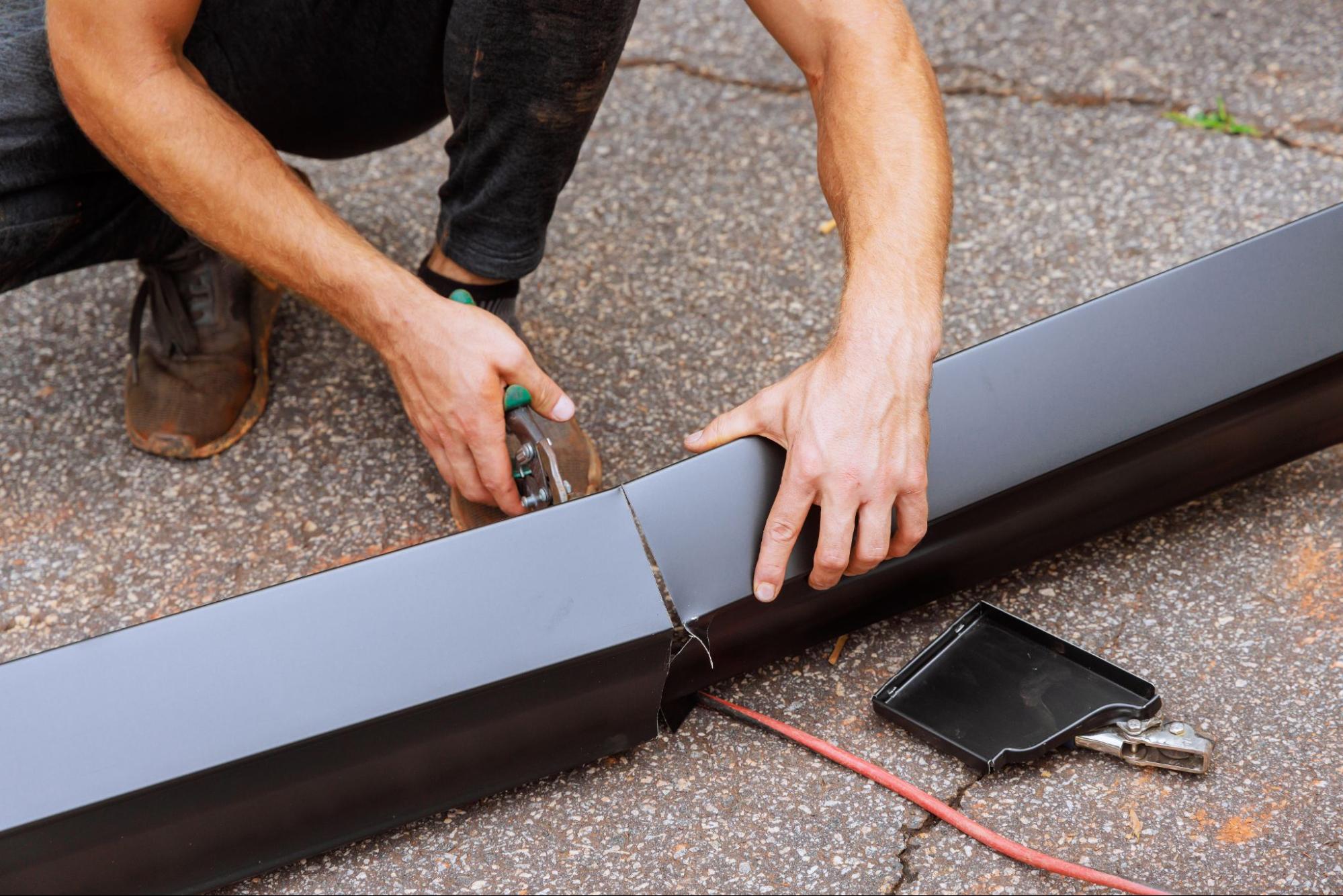
Gutter repairs become less frequent when property owners maintain their gutters consistently. Preventive steps reduce wear and keep systems working properly. These actions help identify problems before they expand. This strategy supports long-term performance and lowers repair costs.
Routine Cleaning and Inspection Tips
Regular cleaning removes debris that blocks water flow and causes overflow. Property owners should inspect gutters at least twice each year. This routine helps identify cracks, leaks, or loose sections. Cleaning also reduces strain on the system during heavy rainfall. Proper tools and safety measures help prevent accidents. Consistent care keeps gutters functioning as expected.
Installing Gutter Guards for Protection
Protective covers reduce the amount of debris entering the gutter system. These guards allow water to pass through while blocking leaves and twigs. This feature reduces cleaning frequency and prevents clogs. Property owners benefit from more consistent water flow during storms. Guards still require occasional inspection to remain effective. Proper gutter guard installation improves durability and long-term performance.
Improving Gutter Drainage Design
Drainage design affects how efficiently water moves through the system. Adjusting the slope helps direct water toward downspouts without pooling. Adding extensions moves water farther away from the foundation. These improvements reduce stress on gutters and nearby structures. Property owners may consider larger systems for higher water volume. Thoughtful design changes support better long-term performance.
When to Hire Gutter Repair Experts
Gutter repairs require professional help when problems exceed basic maintenance or safety limits. Some issues involve structural damage that needs careful handling. Professionals bring tools and experience that improve repair quality. This decision helps property owners avoid risks and incomplete fixes.
Signs You Need Professional Repairs
Recurring leaks often point to deeper structural problems within the system. Large sections that sag or detach indicate weakened support points. Water pooling near the foundation suggests improper drainage design. Extensive rust can spread quickly and damage multiple sections. These issues usually require advanced repair methods. Property owners should not ignore repeated system failures.
Choosing a Reliable Repair Service
Experienced gutter repair contractors deliver more dependable results. Property owners should look for clear communication and proven experience. Asking about materials and repair methods improves transparency. Detailed estimates help avoid unexpected costs during the project. Reliable services often include warranties for completed work. Careful selection leads to longer-lasting repairs.
Address Gutter Repairs Before Damage Escalates
Gutter repairs demand attention when small warning signs begin to appear around your home. Delayed action allows water to quietly weaken surfaces, leading to more involved and expensive fixes. A proactive approach keeps your property stable and reduces long-term stress on key structures. Staying attentive to subtle changes helps you maintain control and avoid preventable damage.
Looking for smarter ways to handle gutter issues? Explore the Quality Rain Gutters, Inc. blog for clear, experience-based guidance you can trust.