Rain rarely causes problems on its own. Trouble starts when water has nowhere to go after it leaves the roof. Without a reliable drainage system, runoff can damage foundations, siding, landscaping, and even interior spaces over time. A properly installed gutter system keeps water moving away from the building before those issues develop. Understanding how the installation process works helps property owners make informed decisions that protect both residential and commercial properties.
What is Roof Gutter Installation?
Roof gutter installation is the process of fitting gutters, downspouts, and drainage components along a roofline to collect and redirect rainwater away from a building. The system works together to control roof runoff, helping reduce the risk of water damage to the structure and surrounding landscape. Professional installation also considers roof design, drainage capacity, and long-term performance, so the entire system functions efficiently through changing weather conditions.
Why a Well-Planned Gutter System Matters
A gutter system protects far more than the roof edge. It manages rainwater before it reaches vulnerable parts of the property, helping to reduce future repairs and maintenance needs. Understanding these benefits explains why careful planning should come before every installation project.
Protects the Building From Water Damage
Rainwater can quickly become destructive when it collects around a building instead of flowing safely away. Moisture may seep into foundations, basements, crawl spaces, or lower levels over time. Exterior walls can also develop stains or premature wear after repeated exposure to uncontrolled runoff. A properly installed gutter system redirects water toward designated drainage areas before these problems begin. That protection helps preserve the building’s structure while reducing the need for costly repairs. Both homeowners and business owners benefit from dependable water management year-round.
Extends the Life of Roofing Components
Roof edges remain exposed whenever water spills over instead of entering the gutters. Constant moisture may damage fascia boards, roof decking, and soffits over the years. Standing water can also shorten the lifespan of roofing materials near the eaves. Proper drainage reduces that exposure by moving rainwater away as intended. This protection helps roofing components last longer with fewer repairs. It also supports the overall condition of the entire roofing system.
Preserves Exterior Features
Heavy rainfall often washes soil against exterior walls and landscaping. Over time, that runoff can erode flower beds, damage mulch, and leave stains on siding or masonry. Walkways may also become slippery as water pools near entrances. A properly designed gutter system directs runoff toward safe discharge points instead. That approach helps maintain the property’s appearance while reducing cleanup after storms. It also protects outdoor improvements that add value to the building.
Planning Before Roof Gutter Installation
Every successful installation starts with careful planning rather than immediate construction. Roof size, building design, and drainage needs all influence how the finished system will perform. Taking time to evaluate these factors helps create a gutter system that works reliably for many years.
Evaluating the Roof Layout
Every roof sheds water differently depending on its size and design. Steep slopes, roof valleys, dormers, and intersecting sections often produce heavier runoff in specific locations. Installers study these features before deciding where gutters and downspouts should go. This evaluation helps identify areas that require greater drainage capacity. Proper planning also reduces the chance of overflowing during heavy rainfall. The finished layout ensures consistent water flow throughout the property.
Choosing the Right Gutter Material
The best gutter material depends on the property’s needs, budget, and maintenance expectations. Aluminum remains a popular choice because it is lightweight, durable, and rust-resistant. Steel offers additional strength for demanding environments but requires proper protective finishes. Copper provides exceptional longevity while developing a distinctive appearance over time. Vinyl works well for some smaller projects, although it may not suit every climate or application. Comparing durability, appearance, and maintenance helps property owners choose the most practical option.
Selecting the Correct Gutter Size
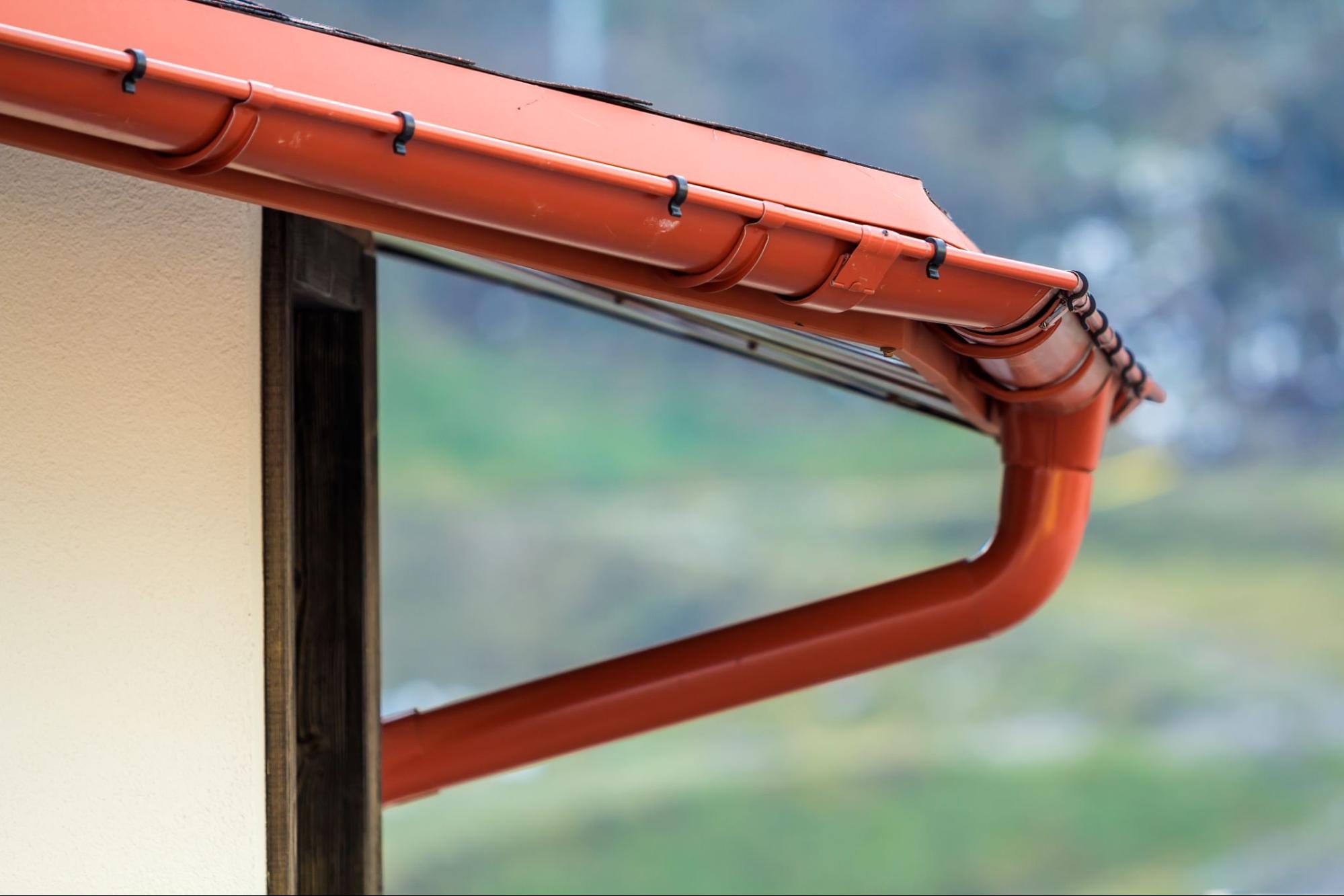
Gutters must carry enough water to handle the roof’s runoff during heavy storms. Larger buildings often require wider gutters and additional downspouts than smaller structures. Installers calculate drainage needs by considering roof dimensions, roof pitch, and expected rainfall. This planning helps prevent water from overflowing during intense weather. Proper sizing also reduces unnecessary strain on the entire drainage system. A well-sized installation continues performing efficiently through every season.
Choosing the Right Gutter System
Not every gutter system performs the same because every property has different drainage requirements. The right combination of gutter style, construction, and accessories improves water flow while reducing maintenance. Comparing the available options helps property owners invest in a system that suits both the building and its long-term needs.
Seamless and Sectional Gutters
Property owners often choose between seamless and sectional gutters before installation begins. Seamless gutters are custom-made to fit the building, which reduces the number of joints where leaks may develop. Sectional gutters come in pre-cut pieces that connect during installation, making them suitable for some smaller projects or repairs. Although both options manage rainwater effectively, seamless systems generally require less maintenance over time. Professional installers can recommend the best choice based on the property’s design, budget, and drainage needs. Selecting the right system early helps improve long-term performance.
Common Gutter Profiles
Gutter profiles affect both appearance and drainage capacity. K-style gutters remain the most common choice because they hold more water while complementing many architectural styles. Half-round gutters offer a traditional appearance and allow debris to move through more easily. Box gutters handle larger volumes of water and are often used on commercial buildings or other large structures. The best profile depends on the roof design, expected rainfall, and the property’s overall appearance. Professional guidance helps match the gutter style to the building’s functional requirements.
Drainage Accessories That Improve Performance
Several accessories help a gutter system perform more efficiently year-round. Downspout extensions direct water farther away from the foundation, reducing pooling near the building. Splash blocks help distribute runoff while limiting soil erosion around landscaped areas. Gutter guards and screens reduce debris buildup, although occasional cleaning remains necessary. Some properties also benefit from underground drainage systems that move water safely away from the structure. Adding the right accessories during installation can improve drainage while reducing future maintenance.
How Professional Gutter Installation Works
Professional installation follows a step-by-step process that focuses on accurate measurements and reliable drainage. Every stage supports the performance of the finished system while reducing the likelihood of future problems. Careful work helps the gutter system manage heavy rainfall more consistently over many years.
Preparing the Roofline
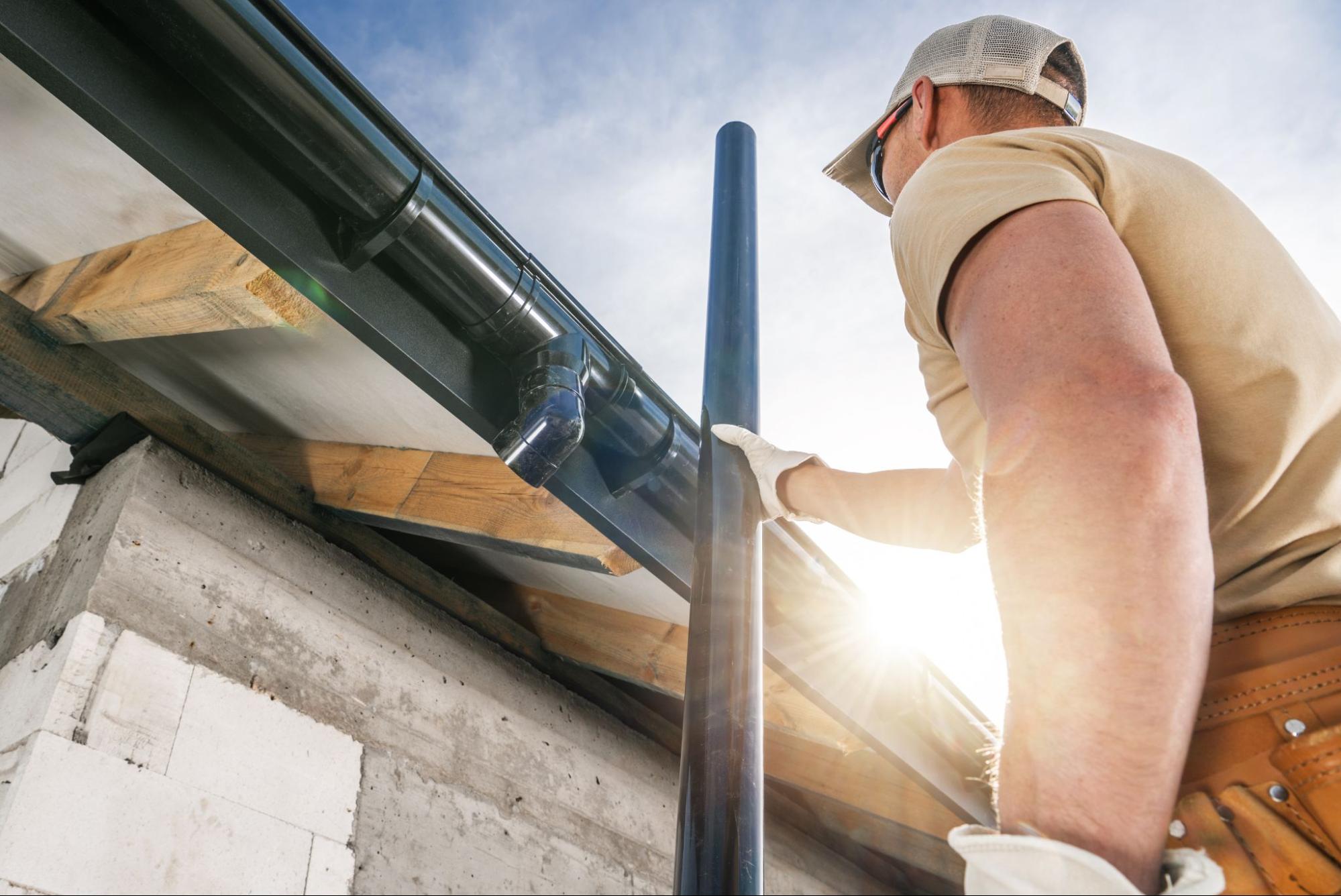
The installation process begins with a careful inspection of the roof edge and supporting fascia boards. Installers check for rot, loose materials, or existing damage before attaching new components. Any structural concerns should be addressed before the gutter system is installed. Accurate measurements also help create sections that fit the roofline correctly. This preparation reduces the need for adjustments during installation while creating a stronger foundation for the system. Careful planning contributes to better long-term performance.
Installing Gutters and Downspouts
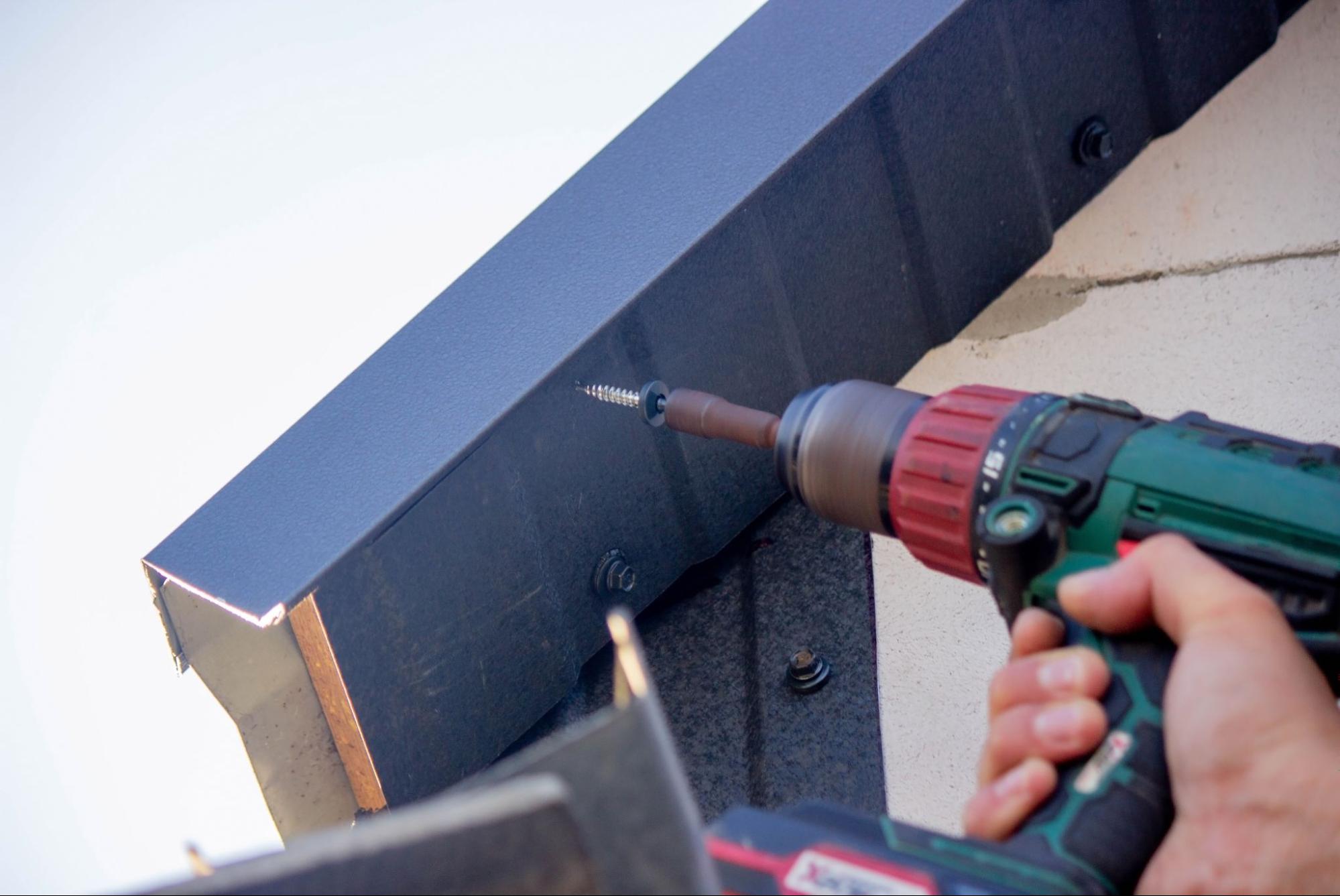
Each gutter section is installed with a slight slope that encourages water to flow toward the downspouts. Secure hangers hold the system firmly against the building while supporting rainwater weight. Installers also seal joints and connections to reduce the chance of future leaks. Downspouts are positioned where runoff can leave the property safely without affecting foundations or walkways. Larger buildings may require additional downspouts to handle greater volumes of water. Proper installation helps all components work together as a single drainage system.
Typical Installation Timeline
The length of a roof gutter installation depends on the size and complexity of the project. Many residential properties can be completed within a day, while larger commercial buildings often require additional time. Roof design, custom fabrication, weather conditions, and accessibility also influence the schedule. Unexpected repairs to fascia boards or roof edges may delay the project before installation can continue. Experienced gutter service contractors coordinate each stage to minimize delays without sacrificing quality. A realistic timeline helps property owners prepare for the project with confidence.
Maintaining a Gutter System After Installation
Even the best gutter system needs regular attention to continue performing as intended. Routine maintenance protects the investment while reducing the likelihood of expensive repairs later. Small inspections completed throughout the year often prevent much larger problems from developing.
Keeping Gutters Clean
Leaves, twigs, roof granules, and other debris gradually collect inside gutters throughout the year. Those materials restrict water flow and increase the chance of overflowing during storms. Standing water may also encourage mold growth or attract unwanted pests. Regular gutter cleaning restores proper drainage before blockages become severe. Properties surrounded by mature trees often require more frequent inspections. Consistent maintenance helps the entire drainage system continue working efficiently.
Looking for Early Signs of Damage
Routine inspections make it easier to identify problems before they become costly repairs. Loose fasteners, leaking joints, rust, cracks, or sagging sections all indicate that attention may be needed. Water stains beneath the gutters may also signal drainage problems that should not be ignored. Addressing these issues early helps protect the roof, siding, fascia boards, and foundation. Professional inspections can also uncover hidden problems that are difficult to spot from the ground. Timely repairs often extend the life of the entire gutter system.
Replacing Worn Components
Some gutter components naturally wear out after years of exposure to changing weather conditions. Seals may deteriorate, hangers may loosen, and downspouts may occasionally be damaged by impacts or debris. Replacing worn parts promptly helps restore the system’s performance without requiring a complete replacement. Regular maintenance also allows contractors to identify components approaching the end of their service life. Addressing minor repairs early often costs far less than replacing an entire drainage system. Ongoing care protects the property’s long-term value.
Factors Affecting Gutter Installation Costs
The cost of a gutter installation varies because every property presents different requirements. Material selection, building design, and project complexity all influence the overall investment. Understanding these factors helps property owners plan their projects with realistic expectations.
Property Size and Roof Design
Larger buildings require more gutter materials, additional downspouts, and longer installation times. Complex rooflines with multiple levels or valleys also require more detailed planning. These factors increase both labor requirements and material quantities. Buildings with limited roof access may require specialized equipment during installation. Every design influences the amount of work involved. Professional evaluations provide a more accurate estimate before the project begins.
Materials and Custom Features
Material selection has a direct impact on both durability and project cost. Seamless systems, premium metals, decorative profiles, and specialized drainage accessories may increase the overall investment. Additional features such as gutter guards or underground drainage systems also affect the final scope of work. Property owners should focus on long-term value rather than on initial costs. Higher-quality materials often require fewer repairs throughout their lifespan. Professional recommendations help balance performance, appearance, and budget.
Choose Professional Roof Gutter Installation
A dependable gutter system quietly protects a property every time it rains, but its value becomes clear when severe weather arrives. Waiting until water damage appears often leads to repairs that cost far more than a properly planned installation. Professional roof gutter installation provides reliable drainage that protects roofs, foundations, landscaping, and exterior finishes while supporting the long-term condition of residential and commercial properties.
Every property deserves dependable protection from the top down. Visit the Quality Rain Gutters, Inc. blog for practical insights, expert guidance, and helpful resources to support your next gutter project.