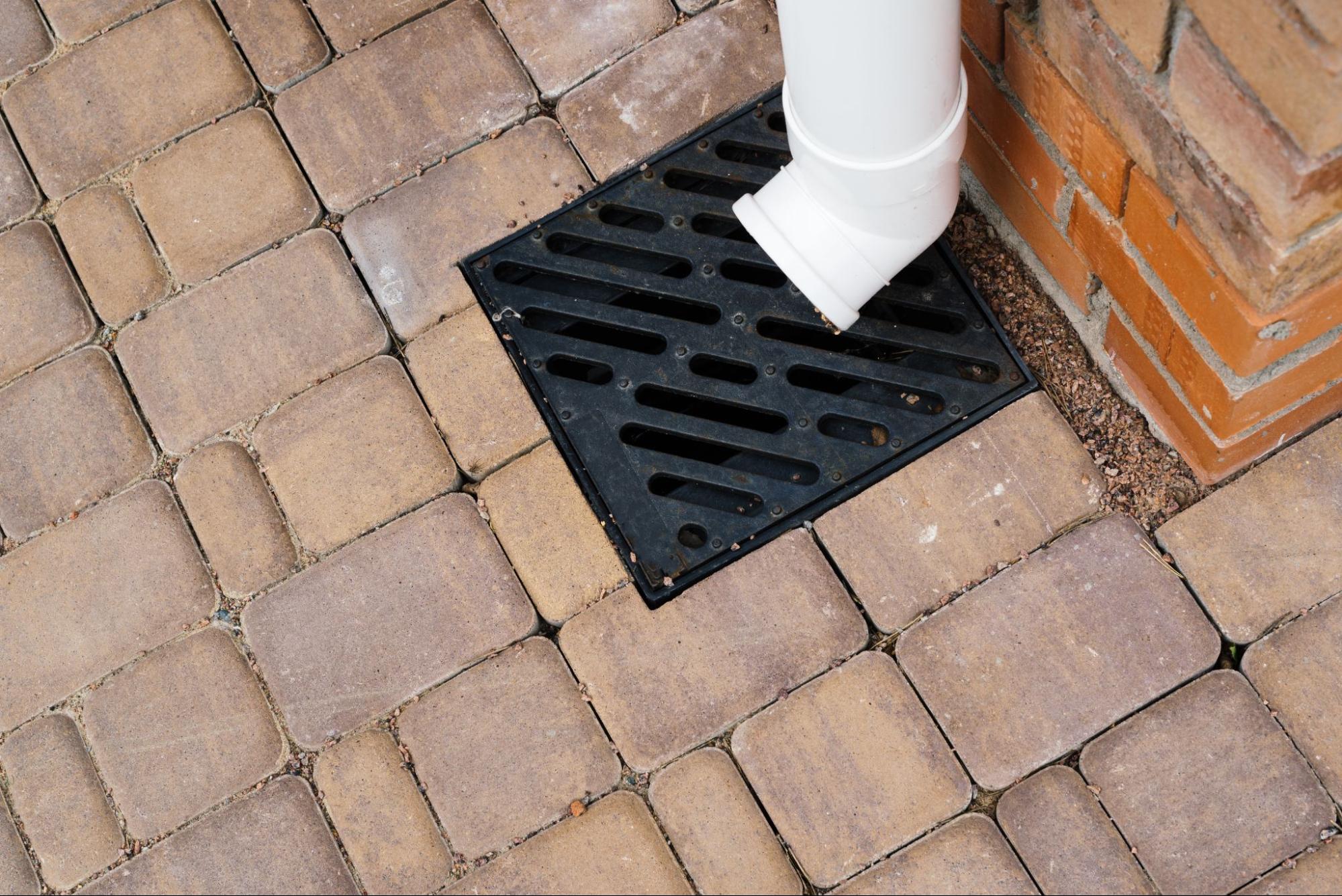
Water damage often starts quietly, then spreads across surfaces before anyone notices the warning signs. Property owners usually spot stains, cracks, or pooling long after drainage issues begin. A well-maintained gutter drainage system directs rainwater away from roofs, walls, and foundations without interruption. When that system fails, even minor blockages can lead to costly repairs and structural concerns. Consistent attention keeps water under control and protects both residential and commercial properties.
Understanding Gutter Drainage Systems
A gutter drainage system collects and redirects rainwater away from a building’s structure. This system includes connected components that guide water from the roof to a safe discharge area. Proper function depends on alignment, slope, and clear pathways for water flow. Small disruptions within this system can quickly affect overall performance and lead to damage.
Key Components of Gutter Systems
Gutter systems consist of channels, downspouts, connectors, and extensions that manage water movement. Each component works together to capture rainwater and guide it away from vulnerable areas. Gutters sit along roof edges and collect runoff during rainfall events. Downspouts then carry that water downward toward the ground. Connectors and elbows adjust the direction of flow through corners and angles. Extensions push water farther from the structure, reducing soil saturation and limiting foundation stress.
How Water Flows Through Gutters
Water flows through gutters by following a controlled path shaped by gravity and slope. This system relies on a slight angle that directs water toward downspouts efficiently. When the slope is correct, water moves steadily without pooling inside the channel. Downspouts then guide water downward and away from the property. If alignment shifts, water may collect and overflow at weak points. These flow disruptions often lead to structural wear and visible exterior damage.
Roof Materials and Gutter Drainage
Roof materials directly influence how water enters and moves through gutter drainage systems. This surface type affects water speed, debris levels, and overall system strain during rainfall. Different materials produce varied runoff patterns, which affect gutter performance over time. Property owners who understand this connection can make better maintenance and upgrade decisions.
How Roofing Types Affect Water Flow
Roofing materials shape how quickly water reaches the gutter drainage system during rainfall. Smooth surfaces like metal allow water to move rapidly toward gutters. This faster flow can overwhelm undersized systems, increasing the risk of overflow. In contrast, rough materials such as asphalt shingles slow water movement slightly. This slower flow may reduce pressure but increase debris accumulation inside gutters. This variation explains why some systems clog frequently while others struggle with overflow.
Debris Impact from Roofing Materials
Different roofing materials release particles that affect gutter drainage performance over time. Asphalt shingles often shed granules that can collect in gutters, causing buildup. These small particles mix with dirt, forming dense blockages that restrict flow. Tile roofs may contribute dust or fragments, depending on their condition. Metal roofs produce less debris but can quickly pull in surrounding dirt. This material behavior influences how often cleaning becomes necessary.
Matching Gutters to Roof Design
Gutter systems should be matched to the specific roofing material for better drainage performance. Larger gutters and downspouts may suit roofs that produce faster water runoff. This adjustment helps manage increased volume without overflow during heavy rain. Roofs that shed more debris may benefit from guards or enhanced filtration systems. This compatibility improves efficiency and reduces maintenance frequency. Property owners who match these elements often experience fewer drainage issues.
Common Gutter Drainage Issues
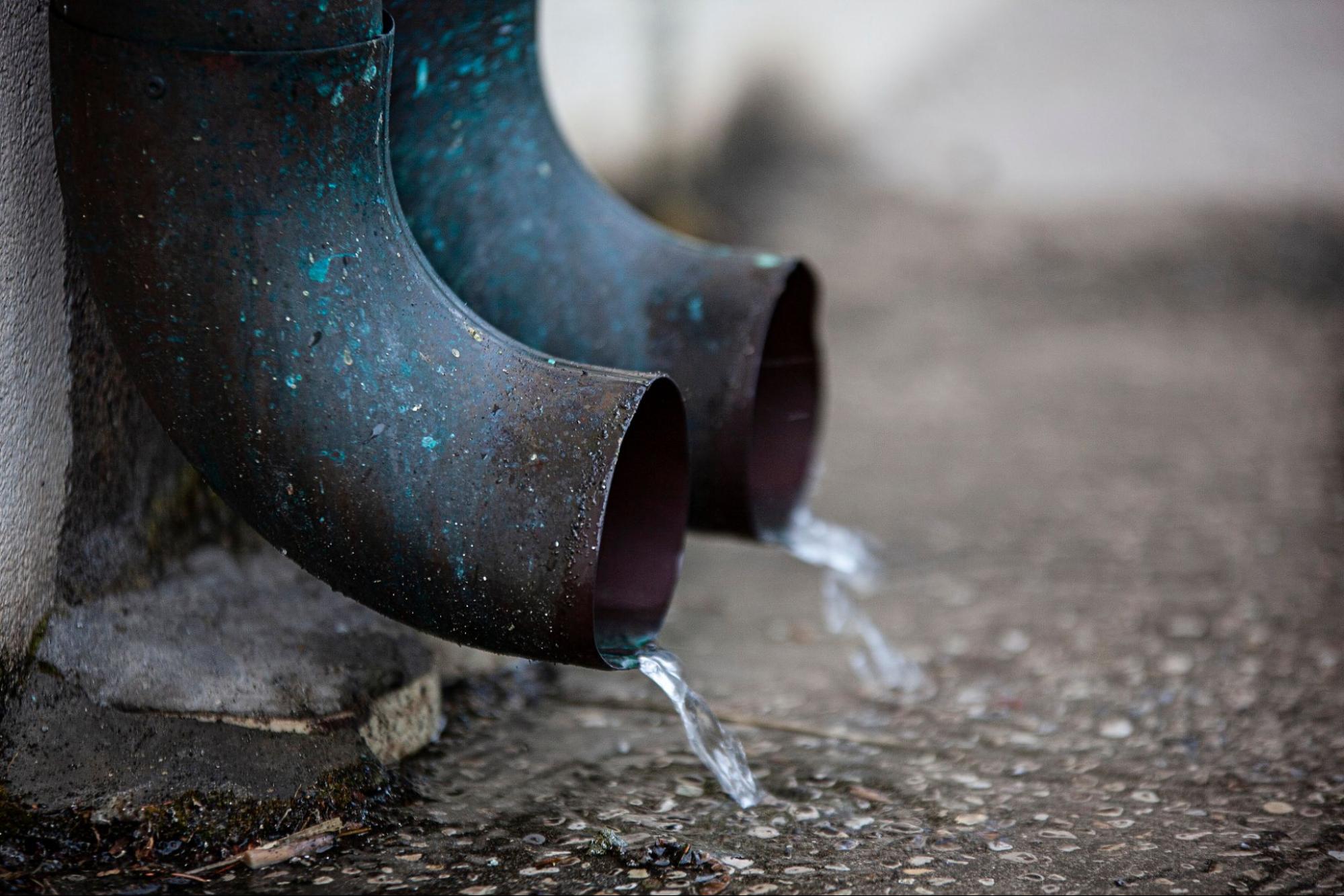
Gutter drainage problems occur when debris, wear, or poor design impairs water flow. These issues often begin as minor concerns but expand into larger property risks over time. Regular observation helps identify warning signs before damage spreads. Property owners benefit from understanding these common problems and their causes.
Debris Buildup and Clogs
Debris buildup blocks gutter drainage by restricting water flow through the system. Leaves, dirt, and organic matter collect quickly, especially during seasonal changes. This buildup forces water to overflow and spill onto siding or landscaping areas. Over time, that overflow can damage exterior materials and weaken soil near the foundation. Moist debris also creates conditions that favor mold and pest growth. Routine cleaning keeps pathways clear and supports consistent drainage performance.
Leaks and Gutter Damage
Leaks occur when cracks, holes, or loose joints allow water to escape from the system. This damage often results from aging materials or exposure to harsh weather. Water that escapes can stain walls, rot fascia boards, and weaken structural surfaces. Loose sections may sag, disrupting alignment and reducing efficiency. This type of damage spreads if repairs are delayed or ignored. Prompt inspection and repair help maintain system integrity and prevent further deterioration.
Poor Drainage and Water Pooling
Poor drainage happens when water fails to move far enough away from the structure. This issue often results from short downspouts or improper placement. Water then collects near the foundation, increasing pressure on the surrounding soil. Over time, that pressure may lead to cracks in concrete or basement walls. Standing water also attracts pests and encourages mold growth. Adjusting extensions and improving layout helps direct water away effectively.
Routine Gutter Drainage Maintenance
Routine maintenance keeps gutter drainage systems functioning and reduces the risk of failure. This process includes cleaning, inspection, and minor adjustments throughout the year. Consistent care extends the lifespan of the system and protects surrounding structures. Property owners who follow maintenance routines often avoid costly repairs.
Cleaning Gutters for Clear Flow
Cleaning gutters removes debris that blocks water movement and disrupts drainage efficiency. This task typically requires attention at least twice each year, depending on the surroundings. Areas with trees may require more frequent cleaning to prevent buildup. Using proper tools such as gloves and scoops improves safety and effectiveness. Flushing the system with water helps confirm that the flow remains unobstructed. This cleaning process supports consistent performance during rainfall.
Inspecting for Wear and Damage
Inspection identifies early signs of wear that can affect gutter drainage performance. This process includes checking for cracks, rust, and loose fasteners along the system. Areas where sections connect often show stress and require close attention. Seasonal changes may cause expansion or contraction, affecting alignment. This inspection routine helps detect issues before they escalate into larger problems. Addressing small concerns early reduces repair costs and system strain.
Maintaining Downspouts and Extensions
Downspouts and extensions control how water exits the gutter system and moves away from the property. This maintenance task involves checking for blockages and confirming proper alignment. Water should flow smoothly without backing up or spilling at connection points. Extensions must carry water several feet away from the foundation to protect it. This setup reduces soil erosion and prevents water from returning toward the structure. Secure connections improve stability and long-term performance.
Seasonal Gutter Drainage Care
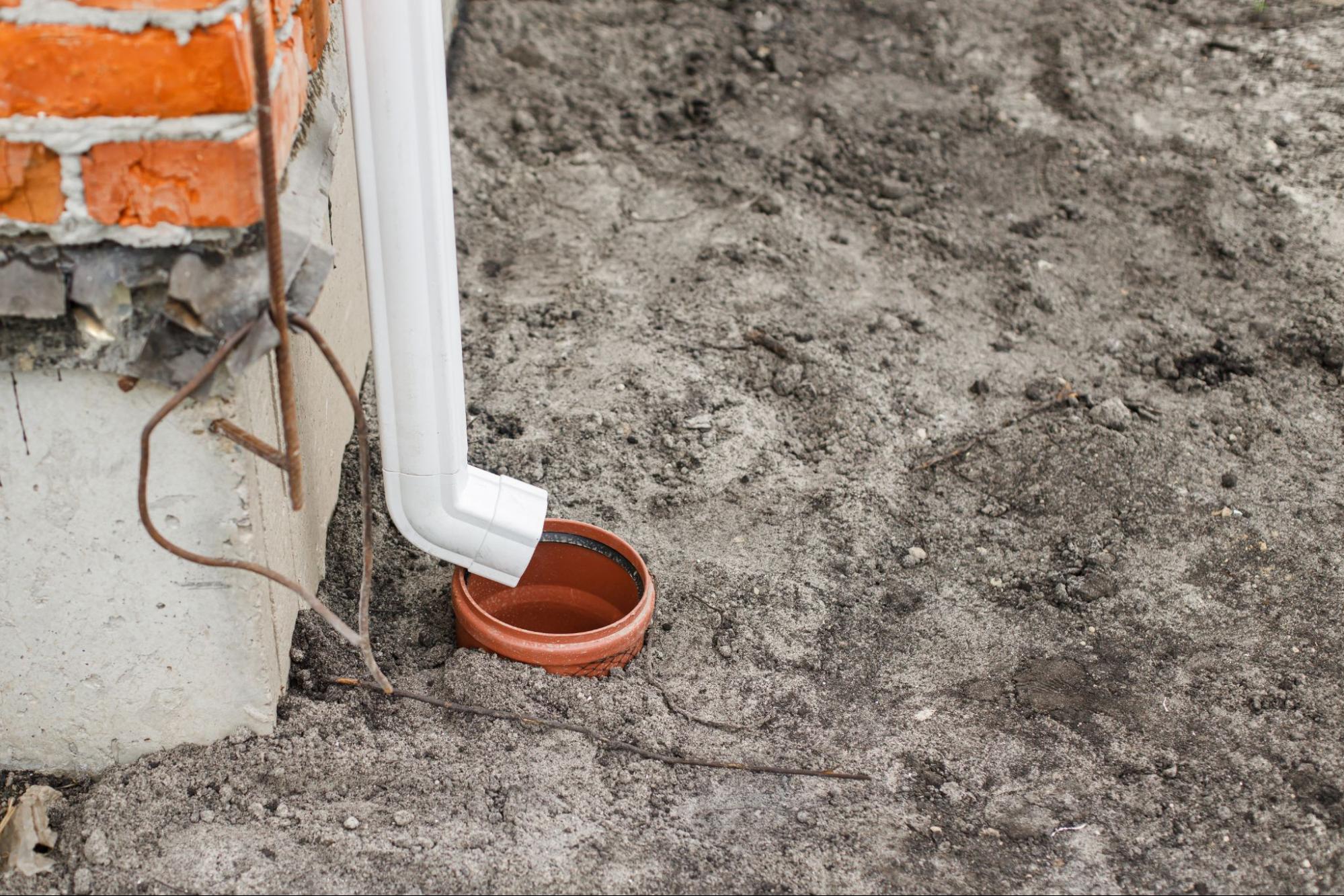
Seasonal changes affect how gutter drainage systems perform throughout the year. Each season introduces different challenges that require specific maintenance actions. Adapting routines based on weather conditions helps prevent damage and maintain efficiency. Property owners who adjust care practices keep systems reliable in changing conditions.
Preparing for Heavy Rainfall
Preparation for heavy rainfall involves clearing and testing the gutter system before storms arrive. This preparation step helps confirm that water can move freely without obstruction. Inspecting brackets and joints strengthens weak areas that may fail under pressure. Running water through the system reveals hidden issues that need attention. This preparation effort reduces the chance of overflow during intense rain events. A stable system handles increased water volume more effectively.
Managing Fall Gutter Debris
Fall maintenance focuses on removing leaves and organic debris that collect rapidly. This seasonal change increases the risk of blockages that disrupt water flow. Frequent cleaning prevents buildup from becoming dense and difficult to remove. Gutter guards can reduce debris entry, though they still require periodic checks. Wet leaves tend to clump and restrict movement inside the system. Removing them promptly supports steady drainage and reduces the risk of overflow.
Preventing Winter Ice Damage
Winter conditions can freeze trapped water, creating ice within the gutter system. This freezing process leads to ice dams that block drainage and push water backward. Water may then seep beneath roofing materials, causing leaks inside the structure. Clearing gutters before cold weather reduces the chance of ice formation. Proper insulation helps maintain even roof temperatures and limits freezing cycles. This winter preparation protects both the drainage system and the building exterior.
Hidden Drainage Failures in Structures
Hidden drainage failures occur when gutter issues allow water to enter areas beyond visible surfaces. This type of problem often develops slowly and remains unnoticed until damage becomes extensive. Water can travel through small gaps and affect walls, insulation, and foundations. Understanding these hidden risks helps property owners take preventive action.
Water Intrusion Behind Exterior Walls
Water intrusion begins when gutter drainage fails to properly direct water away from the structure. This moisture can seep behind siding and enter wall cavities over time. Once inside, it may weaken wood framing and reduce insulation effectiveness. This hidden moisture also creates conditions where mold can grow unnoticed. Early signs may include slight discoloration or subtle surface changes. Identifying these signs helps prevent further structural deterioration.
Foundation Stress from Poor Drainage
Foundation stress develops when water consistently collects near the base of a structure. This pressure increases as soil absorbs moisture and expands around the foundation. Over time, this movement can lead to cracks and uneven settling. These changes may affect doors, windows, and interior walls. This type of damage can be costly to repair if ignored. Proper gutter drainage reduces the risk of long-term structural strain.
Indoor Warning Signs of Drainage Issues
Indoor warning signs often indicate hidden gutter drainage problems that affect the structure. These signs may include musty odors, peeling paint, or increased humidity levels. This moisture buildup can impact air quality and create discomfort inside the property. In some cases, minor stains appear on ceilings or walls. These indicators suggest that water is entering areas it should not reach. Recognizing these signals allows for timely maintenance and repair.
Optimize Your Gutter Drainage System
Gutter drainage performs best when all components work together with consistent maintenance. Small adjustments can prevent hidden moisture from reaching walls, foundations, and interior spaces. This system remains reliable when it stays clear, properly aligned, and suited to the property’s structure. Property owners who stay attentive often avoid costly disruptions and long-term damage. Working with experienced gutter contractors also adds an extra layer of precision and long-term reliability.
Find reliable answers and real-world gutter drainage solutions on the Quality Rain Gutters, Inc. blog, built for informed property decisions.