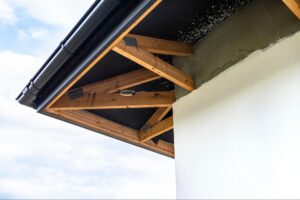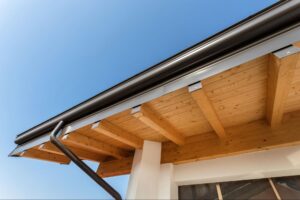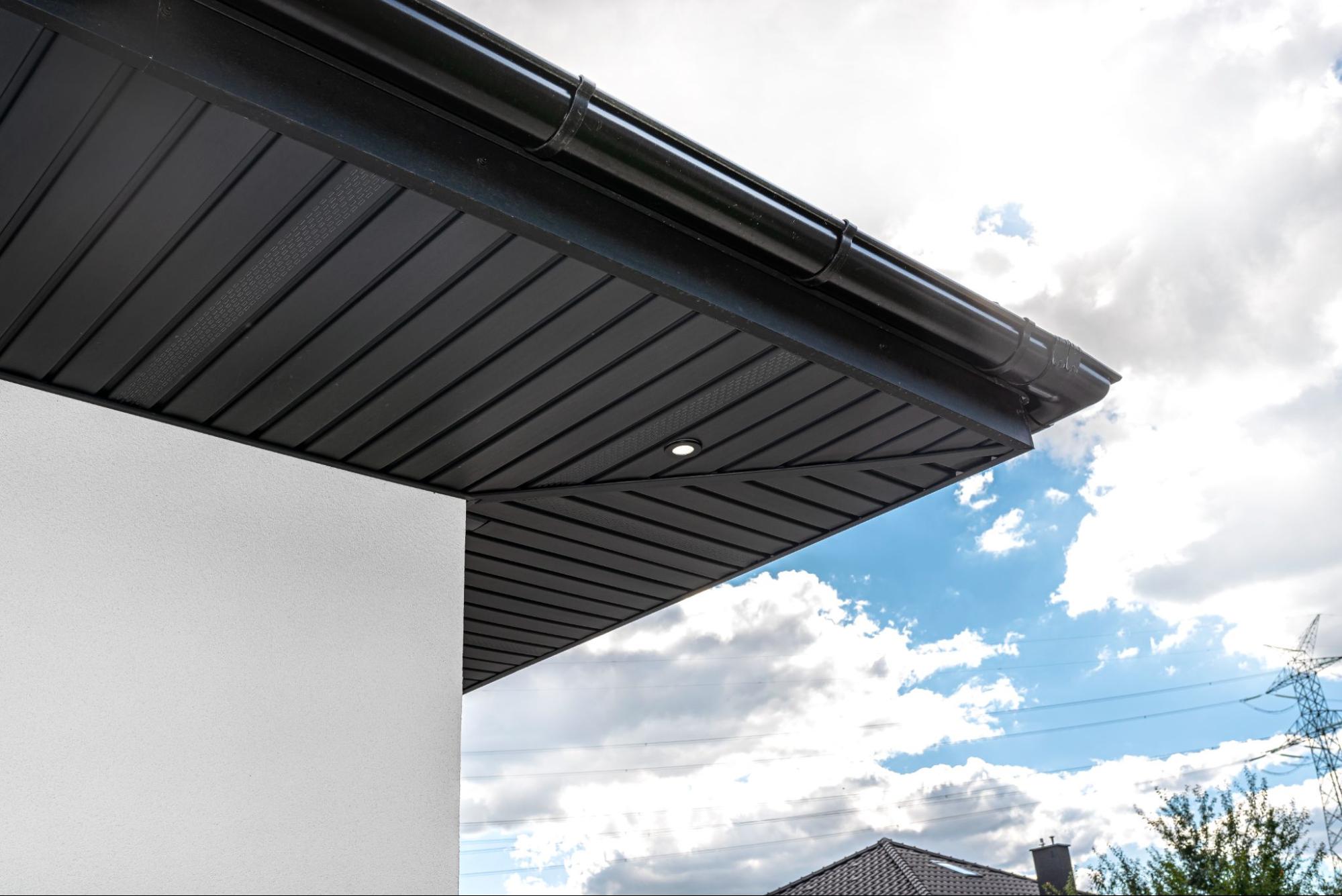
Rainwater runoff can damage siding, soil, and foundations when drainage fails. A well-built residential gutter system directs water away from structural areas, keeping them dry. Homeowners now compare styles not only for function but also for appearance and lifespan. New materials and designs in 2026 offer better flow control and cleaner exterior lines. The right choice today supports durability, reduces upkeep, and fits the home’s overall design.
Residential Gutter Design in 2026
Residential gutter design now reflects changing weather patterns and modern home aesthetics. This shift pushes homeowners to choose systems that handle heavier rainfall and still look refined. Current designs balance capacity, durability, and exterior appeal in a single system. As a result, gutters now serve both as protection and as a visible design feature.
Weather Demands on Gutter Systems
Residential gutter systems must manage sudden downpours and longer storms with consistent flow. This demand requires wider channels and smoother interiors that reduce water resistance. Many modern systems include reinforced edges that prevent bending during heavy rainfall. Homeowners now prioritize overflow control to protect foundations and landscaping from erosion. This improvement also reduces standing water that attracts pests and causes staining. Industry guidance from groups such as the National Association of Home Builders supports the use of higher-capacity systems in new builds.
Exterior Style and Visual Integration
Residential gutter systems now blend with roofing and siding rather than stand out. This design approach uses coordinated colors and finishes that match the trim, fascia, and boards. Many homeowners choose profiles that complement architectural lines without adding clutter. This preference improves curb appeal and supports property value during resale. Designers often treat gutters as part of the exterior plan rather than an afterthought. This perspective helps create a balanced and polished home appearance.
Residential Gutter Styles to Know in 2026
Modern homes rely on efficient drainage systems that match both structure and environment. Residential gutter styles have evolved to address stronger storms and changing design preferences. Homeowners now weigh performance, durability, and appearance when selecting the right system. Understanding current options helps guide smarter decisions for long-term protection and visual consistency.
K-Style Gutters for Modern Homes
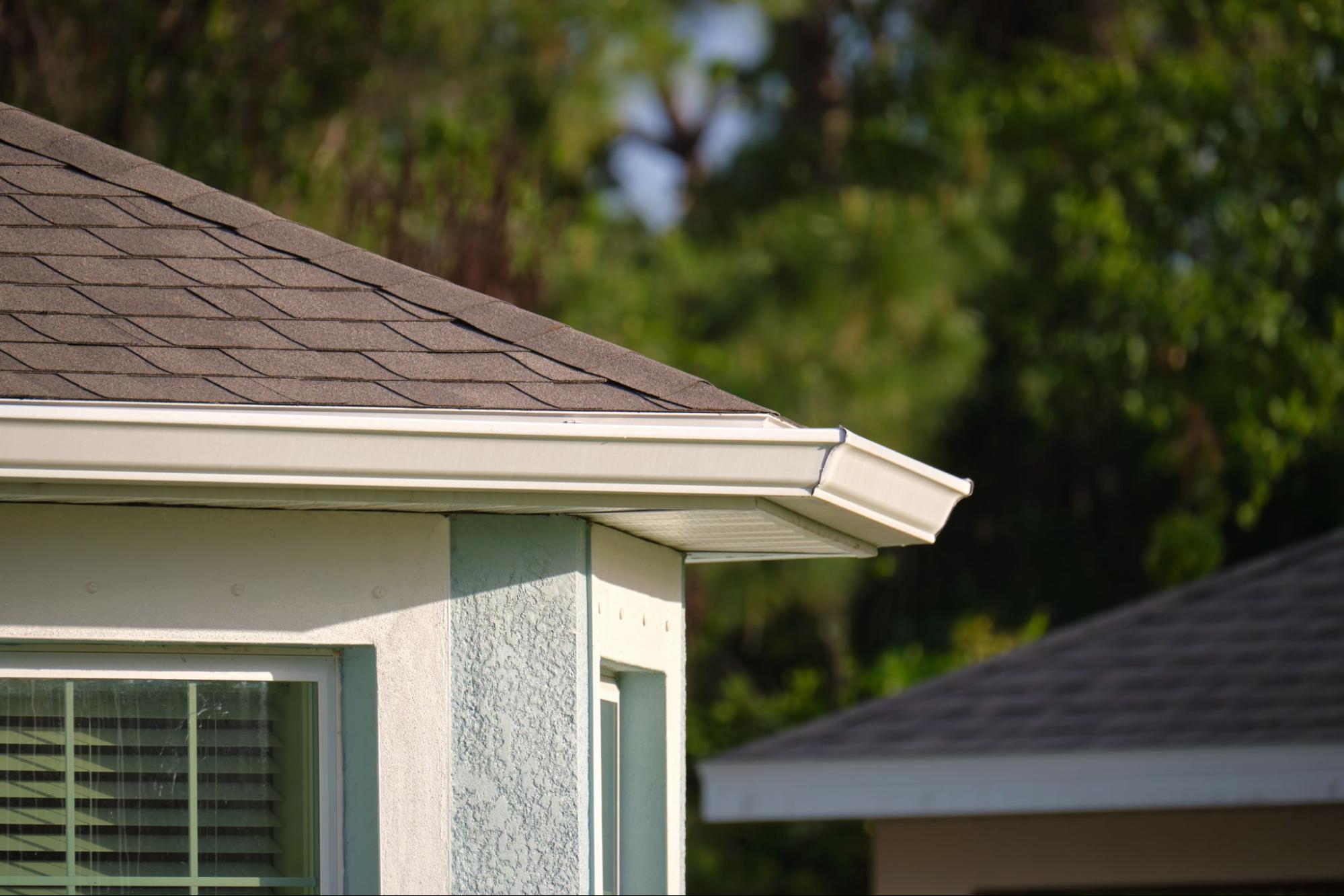
K-style gutters feature a flat back and decorative front that suits most homes. This design offers high water capacity while maintaining a structured and familiar look. Builders often recommend this style for its balance of cost, durability, and visual appeal. These systems continue to dominate residential projects in 2026.
K-Style Design and Performance
The K-style profile holds more water than rounded alternatives due to its angular shape. This structure supports steady drainage during both moderate and heavy rainfall conditions. Many homeowners appreciate the crown-like front that resembles traditional molding details. This design also adds strength, which reduces the chance of bending over time. Contractors frequently install this option on both new homes and replacements. This flexibility makes it a dependable choice across various roof types.
Maintenance Needs and Durability
Regular gutter cleaning helps prevent debris buildup, especially in the inner corners of the design. This shape can trap leaves, which may lead to clogs if left unchecked. Many homeowners install guards to reduce cleaning frequency and improve water flow. Proper installation also prevents leaks at joints and seams over time. This maintenance routine extends the lifespan of the system and protects nearby surfaces. Long-term use often reaches decades with consistent care.
Cost and Value Over Time
K-style gutters remain one of the more affordable options for homeowners. This affordability makes them accessible without sacrificing performance or durability. Aluminum versions offer corrosion resistance and manageable weight for easier installation. Steel options provide added strength but may require protective coatings. This cost balance supports long-term value without frequent replacements. Many homeowners choose this style for its reliability and reasonable price.
Half-Round Gutters With Modern Appeal
Half-round gutters feature a curved shape that promotes smooth water flow. This design reduces friction and limits debris buildup inside the channel. Many homeowners choose this style for its classic look and improved drainage efficiency. Updated materials now make it suitable for both traditional and modern homes.
Best Uses for Half-Round Gutters
The curved design works well on homes with simple rooflines and gentle slopes. This shape allows water to move freely without sharp angles that trap debris. Many historic and custom-built homes use this style for visual consistency. This design also supports better flow during steady rainfall conditions. Homeowners often notice fewer clogs compared to angular systems. This advantage reduces the need for frequent cleaning.
Material Options and Longevity
Modern options now include copper, aluminum, and coated steel materials. This range allows homeowners to match durability with budget and design goals. Copper develops a natural patina that adds character over time. Aluminum resists rust and performs well in varied climates. This variety helps homeowners select systems that last longer with minimal maintenance. Many professionals recommend these materials based on regional weather conditions.
Box Gutters for Heavy Water Flow
Box gutters use a wide, rectangular shape designed for high water capacity. This design often integrates into the roof structure for a clean exterior appearance. Many modern homes adopt this style for both function and visual simplicity. These systems handle intense rainfall more effectively than smaller profiles.
High-Capacity Drainage Benefits
The wide, rectangular design handles large volumes of water during intense storms. This capacity helps prevent overflow that can damage foundations and surrounding soil. Many homeowners prefer this option in areas with frequent heavy rainfall. This structure also reduces pressure on downspouts by distributing water more evenly. Contractors often recommend it for homes with expansive roof surfaces. This reliability supports long-term protection against water-related issues.
Hidden Design Advantages
The integrated design allows the system to sit within the roofline rather than outside it. This placement creates a clean and uncluttered exterior appearance. Many homeowners choose this option for modern or minimalist architectural styles. This hidden structure keeps attention on the home’s design rather than drainage components. Builders carefully plan installation to maintain proper water flow. This approach balances function with visual appeal.
Maintenance and Inspection Needs
Box gutters require regular inspection due to their concealed placement. This setup can hide small leaks that grow over time if ignored. Homeowners often rely on professionals for thorough checks and repairs. This maintenance process may involve accessing roof sections for proper evaluation. Consistent inspections help prevent costly structural damage. This attention keeps the system working efficiently.
Seamless Gutters for Clean Performance
Seamless gutters use continuous sections that reduce joints and weak points. This design improves water flow and lowers the chance of leaks. Many homeowners prefer these systems for their clean appearance and reliable performance. Custom fabrication ensures each system fits the home precisely.
Leak Reduction and Clean Appearance
The continuous design reduces joints, which lowers the risk of leaks over time. This structure helps protect siding and foundations from moisture damage. Many homeowners appreciate the smooth lines that improve exterior appearance. This look creates a more refined and consistent finish along the roofline. Contractors install these systems in a single run for better durability. This method also reduces maintenance compared to sectional options.
Materials and Long-Term Performance
Common materials include aluminum, steel, and copper for different performance needs. This selection allows homeowners to balance cost, strength, and appearance. Aluminum resists rust and remains lightweight for easier installation. Steel offers added strength for demanding weather conditions. This durability supports long-term use with fewer repairs. Many systems last for years when properly installed and maintained.
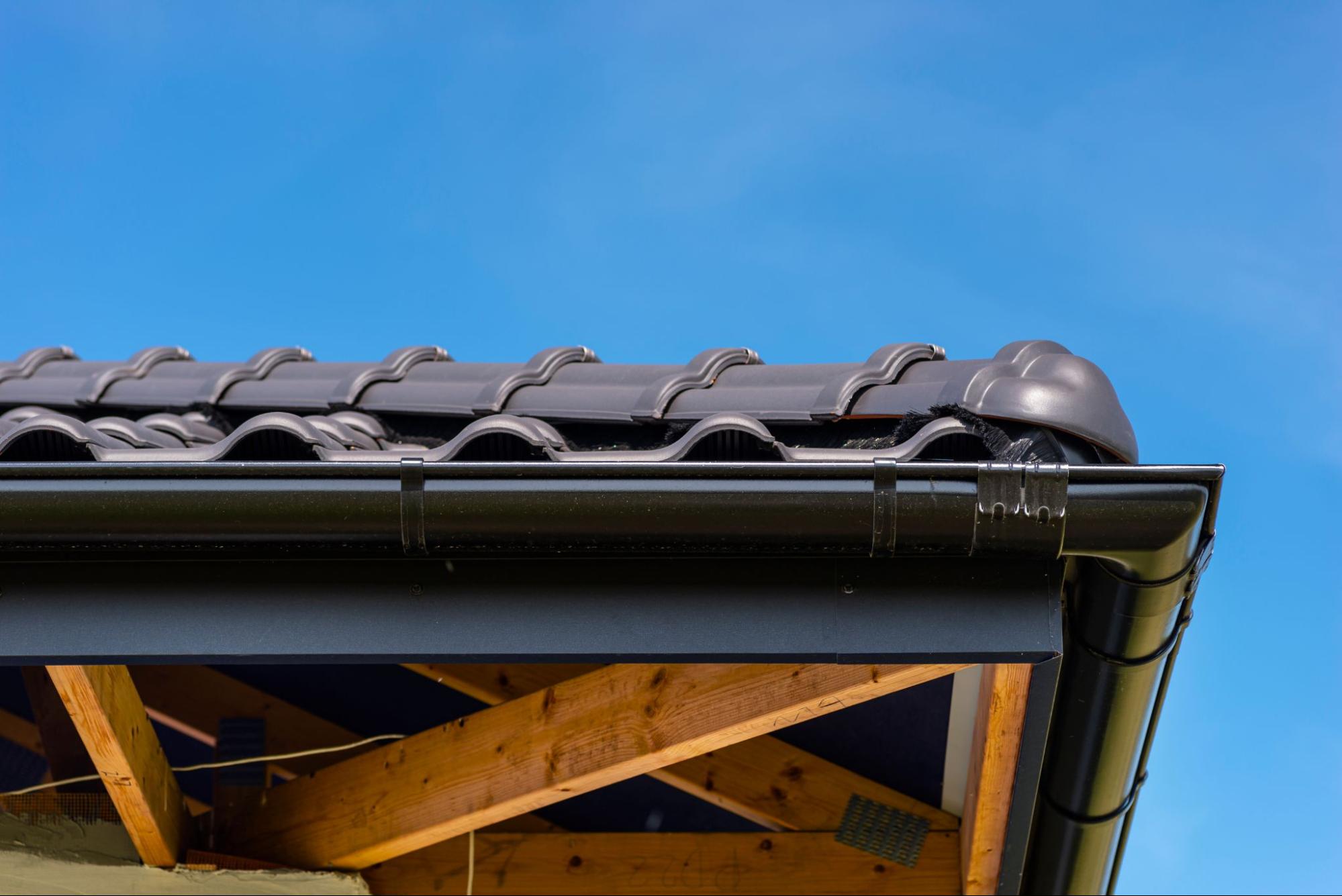
Covered and Smart Gutter Solutions
Covered and smart gutter solutions combine drainage with added protection and technology. This approach reduces debris buildup and simplifies maintenance tasks. Many homeowners now choose these systems for convenience and long-term reliability. Modern features improve performance while reducing manual upkeep.
Gutter Guards and Debris Control
Covered gutter systems use guards to prevent leaves and debris from entering. This feature allows water to pass through while keeping unwanted materials out. Many homeowners install mesh or screen covers for consistent performance. This protection reduces the need for frequent cleaning sessions. It also helps maintain a steady water flow during storms. This solution works with most existing gutter styles.
Smart Monitoring and Alerts
Smart gutter systems include sensors that detect blockages and rising water levels. This technology sends alerts when maintenance becomes necessary. Many homeowners use these features to prevent overflow and damage. This system adds a layer of control and awareness. It also supports better planning for seasonal upkeep. This innovation reflects ongoing trends in connected home systems.
Reduced Maintenance Benefits
Covered gutter systems reduce the effort required for routine maintenance. This benefit appeals to homeowners who prefer low-maintenance solutions. Fewer clogs mean fewer repairs and less risk of water damage. This advantage supports long-term cost savings. Many systems offset their initial cost through reduced maintenance needs. This approach improves overall convenience and reliability.
Gutter Sizing and Flow Rate Accuracy
Gutter sizing and flow rate determine how efficiently water moves off the roof during storms. This factor often gets overlooked when homeowners focus only on style or material. An undersized system can overflow even if it looks properly installed. Accurate sizing improves drainage performance and reduces the risk of water-related damage.
Roof Area and Runoff Calculations
Gutter sizing starts with calculating the roof area and expected runoff during rainfall. This measurement helps determine how much water the system must handle at peak flow. Steeper roofs shed water more quickly, increasing pressure on the gutter channel. Larger roof sections also contribute to higher water volume during storms. This combination requires gutters with greater width and deeper profiles. Many professionals follow the American Society of Civil Engineers’ guidelines to estimate proper drainage capacity.
Downspout Size and Placement Impact
Flow rate depends not only on gutter size but also on downspout capacity and location. This component controls how quickly water exits the system and moves away from the home. Poor placement can slow drainage and cause water to back up inside the gutter. Multiple downspouts may be needed for larger or complex rooflines. This adjustment helps distribute water evenly and prevents overflow at specific points. Proper alignment supports consistent performance during heavy rainfall.
Matching Gutter Size to Climate Conditions
Climate plays a direct role in selecting the correct gutter size and flow rate. This factor includes rainfall intensity, storm frequency, and seasonal weather patterns. Homes in areas with heavier rainfall require wider gutters and larger downspouts. Drier regions may function well with standard sizes but still benefit from proper calculations. This approach avoids unnecessary upgrades while maintaining reliable drainage. Many contractors tailor recommendations based on local weather data and site conditions.
Optimize Your Residential Gutter Design
A well-planned residential gutter design performs best when guided by an experienced gutter contractor. This professional insight helps match the right style, size, and placement to your home’s needs. Small design changes can improve water flow and reduce long-term maintenance concerns. A qualified contractor can also identify hidden issues that may affect performance over time. Choosing expert support today leads to a more reliable and efficient gutter system that protects your home for years.
Find deeper guidance and real-world gutter advice on the Quality Rain Gutters, Inc. blog, designed for homeowners like you.