Every homeowner wants their property to withstand the most brutal weather without damage. Yet, few realize how much depends on one small but crucial part of the drainage system—the downspout. When heavy rain hits, downspouts guide water safely away from your foundation and walls, protecting your home’s integrity. Ignoring them can lead to costly repairs that could have been avoided with the proper setup and care.
Understanding the Purpose of a Downspout
A downspout is the vertical pipe connected to your gutter that channels rainwater from the roof to the ground. It prevents overflow and directs water away from your home’s base, reducing the risk of erosion or flooding. Water collects near the foundation without it, creating cracks, leaks, and mold. A properly installed downspout keeps your home stable, dry, and protected through every storm.
How Downspouts and Gutters Work Together
Downspouts and gutters function as one system to manage roof runoff effectively. The gutter collects water flowing down the shingles, then feeds it into the downspout through an outlet opening. Gravity moves the water through the pipe until it exits near the ground or into a drainage line. Water can overflow or leak along the walls when gutters clog or slope incorrectly. Keeping both components clear and well-fitted maintains steady water flow and prevents long-term damage.
Common Downspout Materials and Their Benefits
Downspouts are available in aluminum, vinyl, copper, and steel, each offering unique advantages. Aluminum resists rust and remains lightweight, while vinyl provides an affordable, easy-to-install option. Copper and galvanized steel offer superior durability and add a polished aesthetic that enhances curb appeal. Selecting the right material depends on your region’s weather and your home’s style. Regular inspection and maintenance help extend the lifespan of whichever option you choose.
Standard Downspout Sizes and Shapes
Downspouts are rectangular, round, and corrugated to fit different architectural designs. Round downspouts are standard in traditional homes, while rectangular types suit modern styles. The width and diameter determine how much water they can carry during heavy rainfall. Homes with large roof areas benefit from wider pipes with higher flow rates. Choosing the correct size ensures efficient drainage and prevents overflow during storms.
Importance of Proper Downspout Installation
Correct installation determines how efficiently your drainage system performs over time. Each downspout must align perfectly with the gutter to prevent leaks or overflow. Poor installation often leads to water pooling near the foundation or eroding the soil. A professional installation ensures proper slope, sealing, and outlet placement for reliable water flow.
Signs of Poor Downspout Installation
Homeowners can spot bad installation through several clear indicators. Water stains on exterior walls suggest leaks or overflow at the joints. Gurgling sounds during rain may mean an improper slope or trapped air pockets. Puddles forming near the foundation indicate the outlet is too close to the house. Fixing these issues quickly prevents structural damage, mold, and landscape erosion that develop over time.
Best Placement Practices for Downspouts
Placement directly affects how efficiently water drains away from your property. Downspouts should be installed at every corner, around 30 to 40 feet apart. The discharge end should extend at least six feet from the foundation to prevent seepage. Sloping the extension away from the house keeps water moving safely. Following these practices ensures balanced and dependable drainage performance.
Why Professional Installation Matters
Hiring a qualified installer ensures your downspout functions as intended. Professionals calculate roof slope, assess water flow, and position outlets for maximum efficiency. They use high-quality sealants and connectors to prevent future leaks. Doing the job yourself can save money upfront, but may result in misalignment or poor drainage. Investing in professional services guarantees accuracy, longevity, and peace of mind.
Downspout Extensions and Drainage Solutions
Downspout extensions help carry rainwater farther from your foundation, reducing flooding and soil erosion. They come in several styles, each suited for different property layouts. Choosing the right type depends on your yard’s slope and the space for water to disperse. These simple upgrades make a significant difference in protecting your property.
Surface Extensions and Splash Blocks
Surface extensions attach to the end of your downspout and guide water away from your home. Concrete or plastic splash blocks prevent soil displacement at the discharge point. These two options are affordable, simple to install, and effective for most residential settings. However, they must be checked periodically for alignment or blockages. Consistent upkeep keeps the water path clear and prevents overflow near your home.
Underground Drainage Systems
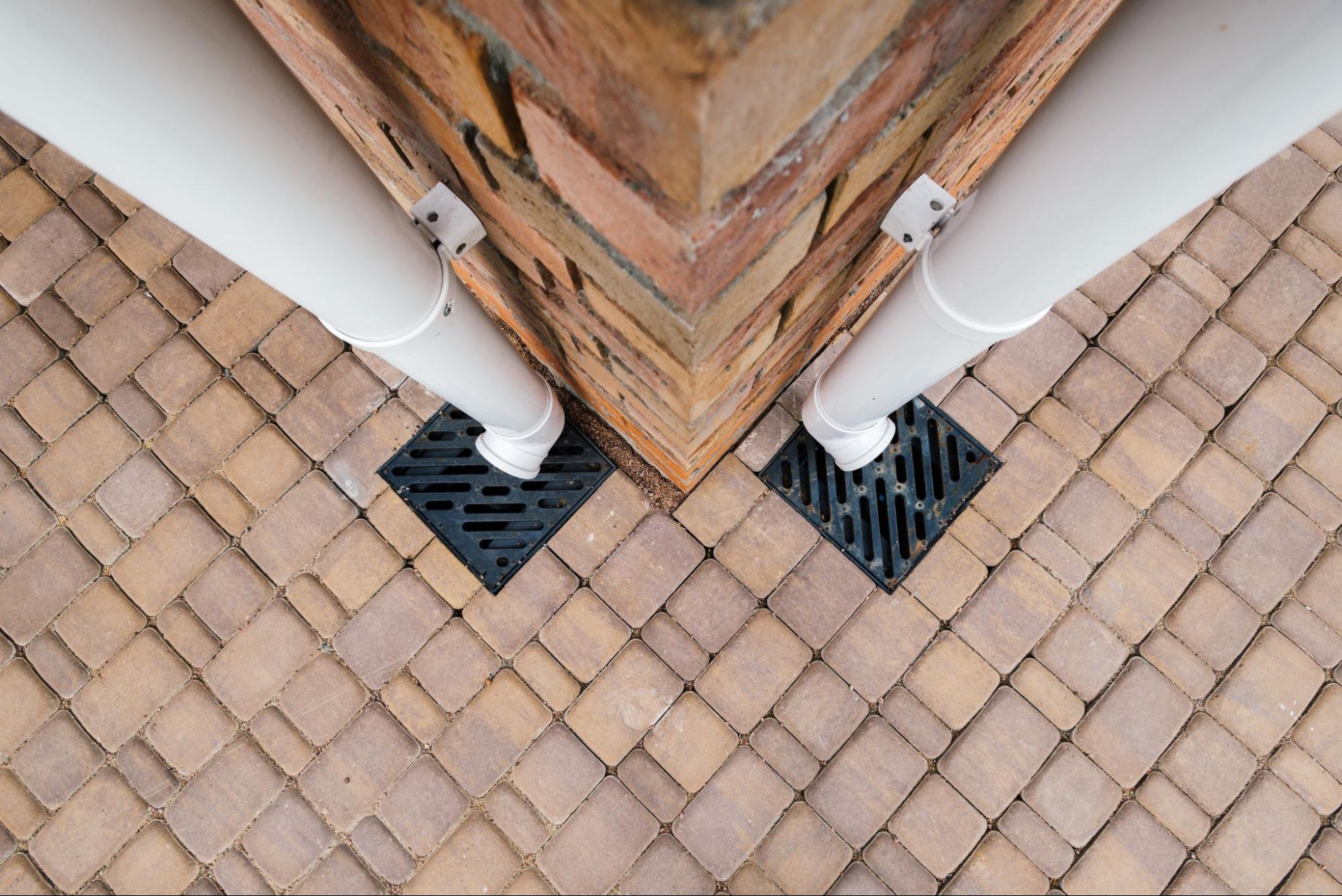
Underground systems discreetly manage rainwater by channeling it through buried pipes. These connect to the downspout outlet and direct water to dry wells or French drains. This method reduces surface runoff and preserves your yard’s appearance. It also prevents trip hazards caused by exposed extensions. Though installation costs more, the system provides lasting efficiency and a cleaner landscape.
Flexible and Collapsible Downspout Extensions
Flexible extensions are lightweight, adaptable, and ideal for areas with uneven ground. They can be adjusted or extended to meet changing seasonal needs. Collapsible designs retract when not used, making them great for compact spaces. These versions are popular among homeowners who need temporary but reliable drainage solutions. Their portability and ease of use make them an excellent investment for versatile water control.
Maintaining Downspouts for Reliable Performance
Consistent maintenance keeps your drainage system strong and dependable. Neglecting it can lead to clogs, leaks, or corrosion that cost more to fix later. Cleaning twice yearly and inspecting for loose joints or rust prevents larger problems. Simple upkeep steps keep your downspouts flowing freely and your home protected.
How to Clean and Clear Downspouts
Debris like leaves and twigs often collects inside gutters and flows into downspouts. Begin gutter cleaning by removing visible debris and flushing the system with a garden hose. Use a plumber’s snake or wet vacuum attachment to clear blockages for deep clogs. Wear gloves and stay cautious on ladders during maintenance. Doing this at least twice yearly ensures smooth water flow and prevents overflow during storms.
Seasonal Downspout Inspections
Each season brings unique challenges to your drainage system. In spring, check for clogs left from winter storms. During fall, remove fallen leaves and tighten any loose brackets. After heavy snow, inspect for cracks or damage from freezing. Staying proactive throughout the year keeps your system efficient and durable.
Installing Gutter Guards for Preventive Care
Gutter guards and strainers reduce the frequency of system cleaning. They block debris while allowing water to pass freely into the downspout. Mesh and perforated covers are popular because they’re easy to install and maintain. These additions prevent clog buildup that causes overflow and staining. While they don’t eliminate cleaning thoroughly, they significantly reduce maintenance time.
Common Downspout Problems and Fixes
Downspouts can experience various issues due to aging, weather exposure, or neglect. Knowing the symptoms and their fixes helps prevent severe structural damage. The most frequent problems are leaks, corrosion, and improper discharge points. Addressing them early maintains your home’s strength and safety.
Fixing Leaks and Loose Joints
Leaks often form where pipe sections meet or where the sealant weakens. Clean the area, dry it thoroughly, and apply waterproof caulking to reseal the joint. For older metal downspouts, rust may also create small holes that need patching. If leaks persist, consider replacing damaged sections entirely. After each heavy storm, checking the joints helps catch small leaks before they worsen.
Clearing Clogs and Overflow Problems
Overflow typically signals that debris has blocked water flow inside the pipe. Start by flushing the downspout with a hose and inspecting for lodged material. Remove the pipe and clean it manually if water doesn’t drain freely. Installing a leaf guard at the top prevents future buildup. Water flowing correctly avoids damage to siding, walls, and your foundation.
Preventing Rust and Physical Damage
Metal downspouts corrode when exposed to moisture and oxygen over time. Applying a protective primer and rust-resistant paint helps preserve their condition. Avoid leaning ladders directly on the pipes to prevent dents or bending. For corroded areas, sand off rust before applying the coating. Maintaining the surface regularly prevents deterioration and extends its lifespan.
Choosing the Right Downspout for Your Home
Selecting the proper downspout involves balancing performance, style, and durability. The choice depends on your roof size, rainfall intensity, and aesthetic preference. A well-matched system handles local weather efficiently and complements your home’s exterior. Considering these factors saves money and protects your home long-term.
Determining Proper Downspout Capacity
The roof’s surface area determines how much rainwater your system must handle. Large roofs require wider downspouts that prevent overflow and backup. Most residential properties need at least one downspout for every 30 feet of gutter. Professionals can calculate ideal capacity based on rainfall data in your region. Choosing the right size ensures smooth drainage and avoids unnecessary wear.
Coordinating Style and Functionality
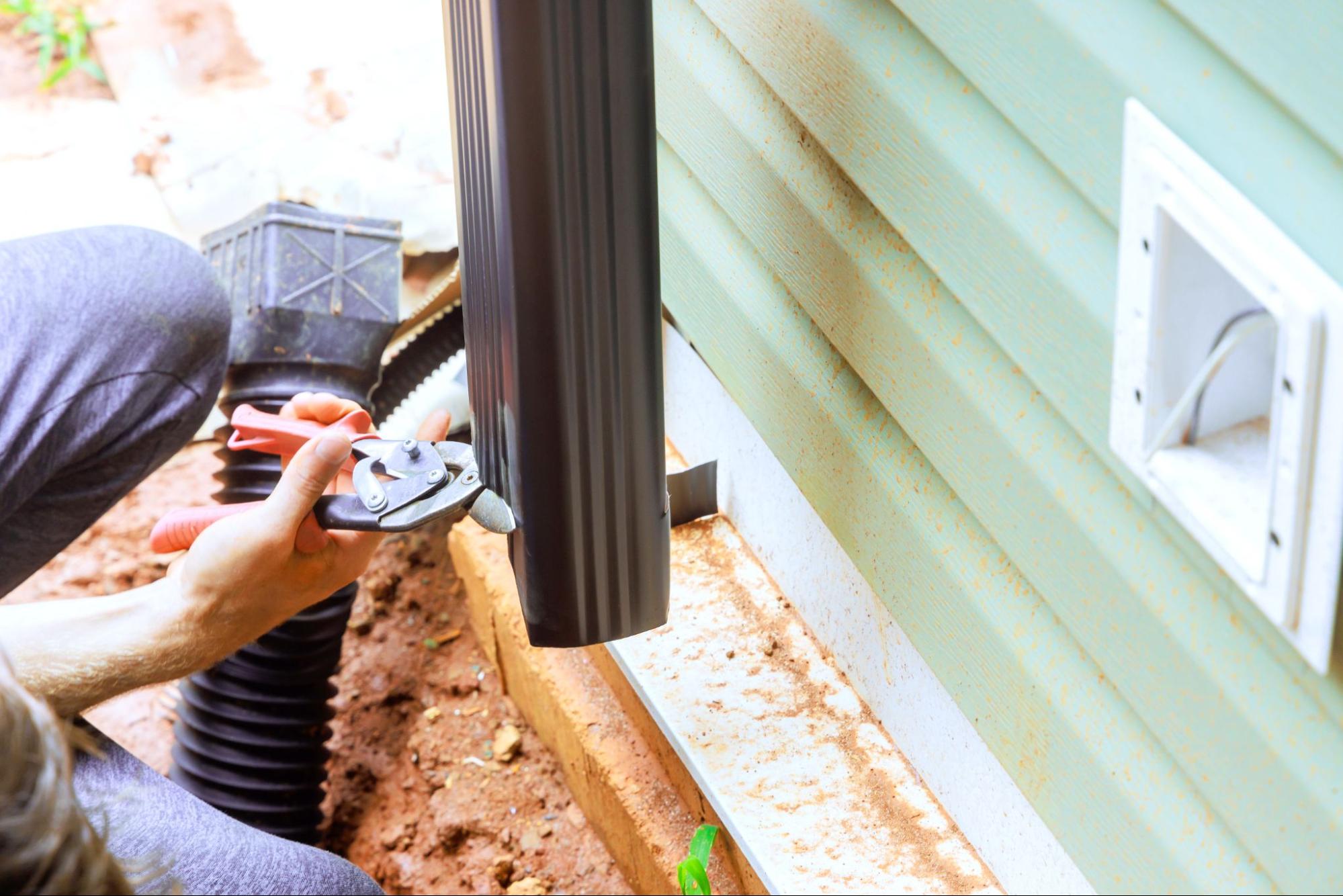
A downspout can be both functional and visually appealing. Choose finishes and shapes that blend with your home’s architecture. Copper adds charm to classic homes, while painted aluminum fits modern styles. Hidden designs provide a clean, minimal look that doesn’t distract from the facade. Matching style with practicality enhances both value and appearance.
Sustainable and Eco-Friendly Drainage Options
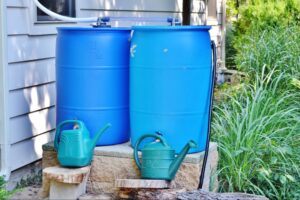
Many homeowners now connect downspouts to rain barrels or garden reservoirs. This system collects water for outdoor use, reducing utility costs and waste. Filters prevent dirt from entering storage containers, keeping the water clean. These systems help conserve resources while protecting your home. Sustainable solutions turn a simple drainage tool into an eco-friendly asset.
Professional Downspout Installation and Repair
Professional installation ensures that your system functions efficiently and lasts for years. Experts analyze roof slope, gutter height, and water volume before setting the correct alignment. They seal joints tightly and test water flow during installation. Their expertise eliminates common mistakes that lead to leaks and overflow.
When to Contact a Professional Installer
Visible rust, frequent clogs, or leaks are clear signs you need expert help. Contractors inspect every part of the drainage system to find the source of the problem. They also provide long-term repair solutions and warranty coverage. Attempting to fix structural issues without proper tools can cause further damage. Scheduling professional service ensures accuracy, safety, and reliability.
The Process of Downspout Replacement
Replacement starts with a full inspection of your gutter and drainage layout. Old or corroded sections are removed and replaced with new material. Each connection is sealed and tested to confirm proper water flow. Installers check slope accuracy and secure brackets tightly. The result is a seamless, efficient system built to withstand years of weather exposure.
Benefits of Professional Installation
Professionally installed downspouts require fewer repairs and resist weather-related wear. The precise fit prevents leaks, corrosion, and misalignment. Technicians also provide advice on upkeep and seasonal maintenance. Properly installed systems protect your home’s structure and improve curb appeal. This service investment pays off through safety, efficiency, and peace of mind.
Protect Your Home with Reliable Downspouts
A dependable downspout system is more than a convenience—it’s essential for your property’s defense. It keeps your foundation dry, prevents costly water damage, and preserves your home’s beauty. Inspecting and upgrading your drainage system today prevents headaches and unexpected repairs later. Protecting your home starts with paying attention to the parts that quietly keep it safe.
Keep your property in top shape year-round. Explore the Quality Rain Gutters, Inc. blog for reliable guidance and professional gutter care knowledge.